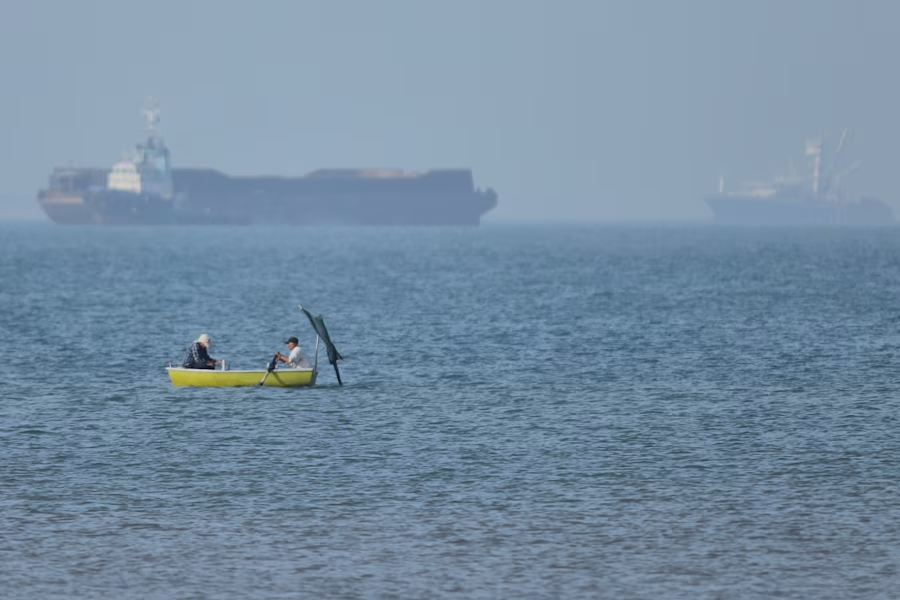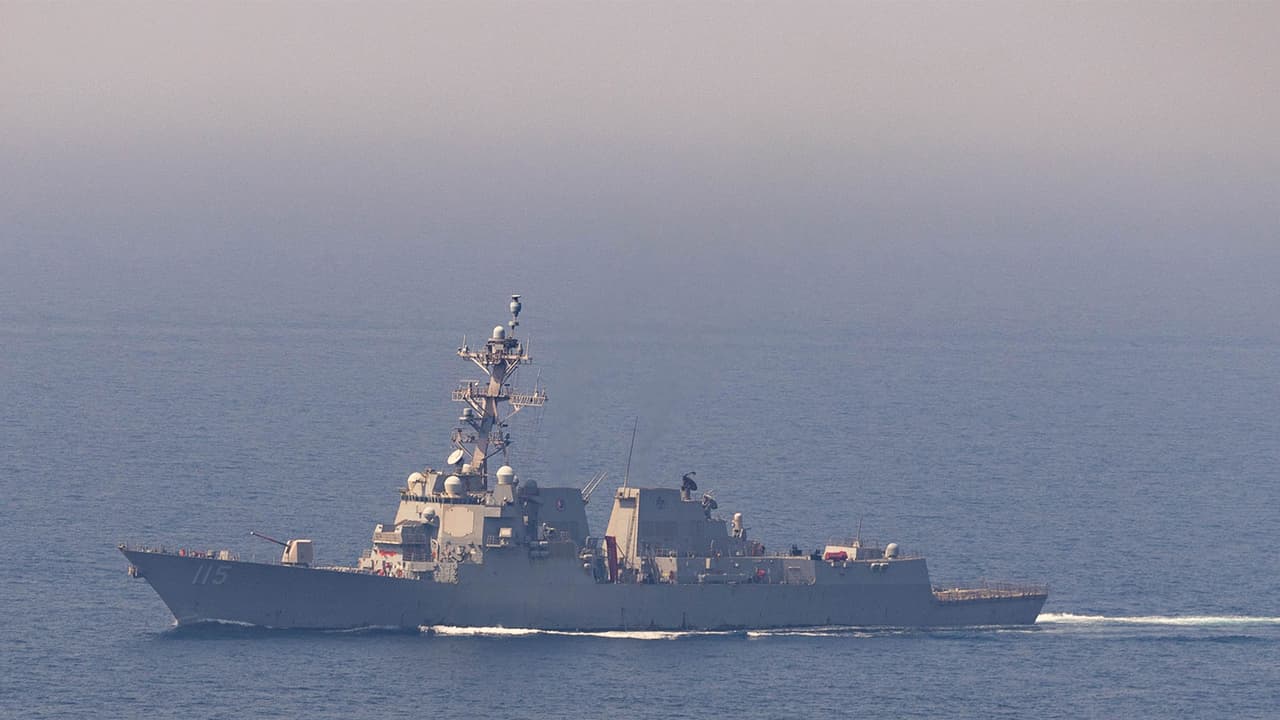
The US CENTCOM is enforcing a naval blockade on Iran, a measure that has seen dozens of commercial vessels redirected or disabled since mid-April. This operation shows a significant escalation in the region. US CENTCOM confirmed the ongoing operation, stating, "The U.S. Naval blockade against Iran continues be to fully enforced. As of today, CENTCOM forces have redirected 58 commercial vessels and disabled 4 since April 13 to prevent the ships from entering or leaving Iranian ports." This action comes amid rising regional tensions, impacting maritime activity and diplomatic relations across the Middle East.
US Blockade Details
US CENTCOM forces have redirected 58 commercial vessels and disabled four since April 13, preventing these ships from entering or leaving Iranian ports. This action is part of the ongoing naval blockade against Iran. The maritime activity through the Strait of Hormuz has seen a significant change since the implementation of the blockade. Prior to the US-Iran war, the daily average of vessels passing through the Strait of Hormuz was more than 130, according to data from Marine Traffic. This high volume of traffic notes the strait's historical importance as a global shipping lane. The current operational tempo reflects a substantial reduction in commercial shipping reaching Iranian waters as CENTCOM enforces the blockade, indicating a dramatic shift in regional maritime patterns.
Iran's Diplomatic Warnings
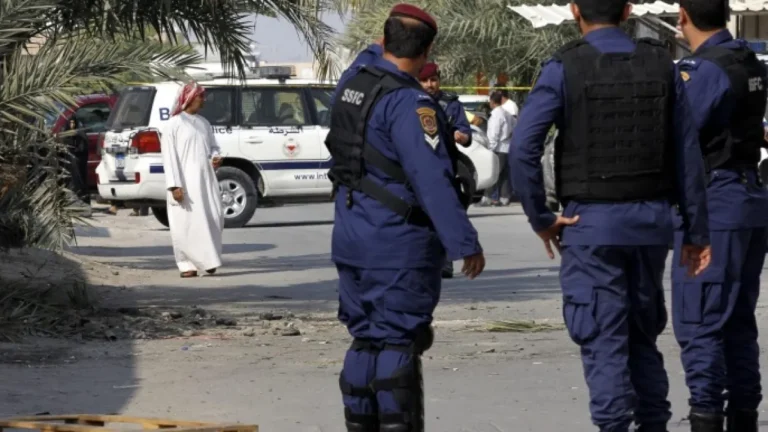
Ebrahim Azizi, Chairman of the National Security Committee of Iran's Parliament, issued a warning to Bahrain against aligning with the United States. Azizi stated, "We warn governments, including microstates like Bahrain, that siding with the U.S.-backed resolution will bring severe consequences. The Strait of Hormuz is a vital lifeline; do not risk closing it on yourselves FOREVER." This came as Gulf states reportedly support a UN Security Council resolution. Gulf states are collectively supporting this UN Security Council resolution, which threatens Iran with sanctions if it does not halt attacks on ships, stop imposing illegal tolls, and disclose mine locations. The resolution aims to address concerns over maritime security in the region. Iranian Foreign Minister Seyyed Abbas Araghchi and his Turkish counterpart Hakan Fidan conducted a telephone call late on Friday to discuss recent regional developments, according to state media. This diplomatic engagement suggests ongoing efforts to navigate the escalating situation.
Strait of Hormuz Impact
No ships have passed through the Strait of Hormuz in the past 24 hours, according to recent maritime data. The complete cessation of transits through the critical waterway marks a significant development amid the ongoing naval blockade enforced by US CENTCOM against Iran. This stoppage affects all vessel types, including commercial shipping, which previously utilized the strait as a primary passage for global trade. The absence of maritime traffic shows the immediate and substantial impact of current regional tensions on one of the world's most vital shipping chokepoints. The Strait of Hormuz is a key route for oil and gas exports from the Persian Gulf, making its disruption a matter of international economic concern. The lack of transit notes the severity of the current naval enforcement measures.
Regional Reactions and Sanctions
Seyyed Abbas Araghchi stated that the escalation of tensions by American forces in the Persian Gulf has increased suspicions regarding the seriousness of the American side in diplomacy. This comment follows reports of a naval blockade enforced by US CENTCOM against Iran, suggesting a perception of contradictory actions from the United States. The diplomatic rhetoric from Iran indicates a growing distrust in the feasibility of de-escalation through negotiation while military actions persist. The potential for UN Security Council sanctions, supported by Gulf states, further complicates the regional landscape and adds pressure on Iran to alter its maritime activities.