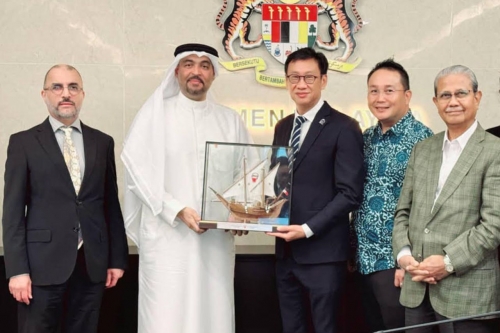
Representatives from the Kingdom of Bahrain, in its capacity as the current president of the 46th session of the Gulf Cooperation Council (GCC), recently met with Malaysian parliamentarians in Malaysia. The Kingdom of Bahrain currently holds the distinguished presidency of the 46th session of the Gulf Cooperation Council, showing its key role in facilitating regional dialogue and cooperation. The discussions focused on enhancing regional stability and fostering cooperation between the GCC member states and Malaysia. The meeting brought together ambassadors from GCC countries and members of the Malaysian Parliament to explore avenues for collaboration on various geopolitical and economic matters. This engagement aimed to strengthen bilateral ties and address shared interests in promoting peace and security across both regions, recognizing the growing importance of inter-regional partnerships in the current global climate.
Condemning Iranian Aggression
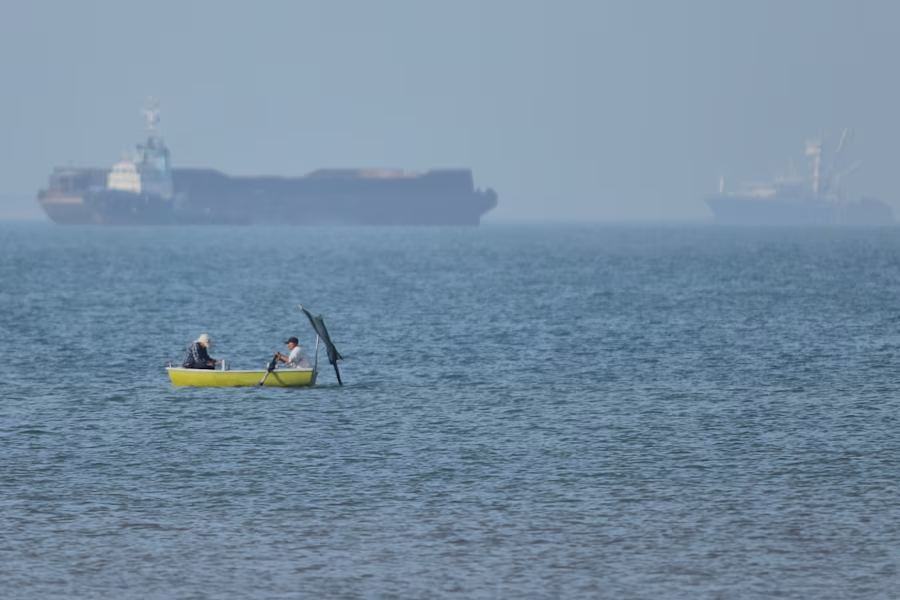
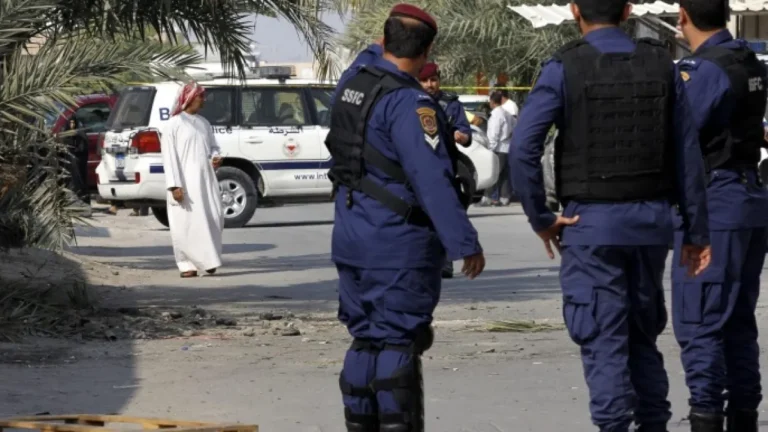
During the discussions, Dr. Waleed Khalifa Al Manea, the Ambassador of Bahrain to Malaysia, unequivocally condemned recent Iranian attacks targeting Bahrain and other Gulf Cooperation Council (GCC) states. Dr. Al Manea described these actions as a clear and unacceptable violation of national sovereignty, international law, and the fundamental principles enshrined in the United Nations Charter. He further stressed that Iran’s ongoing actions impacting the Strait of Hormuz have significant global ramifications. Dr. Al Manea noted their profound impact on maritime navigation, the stability of international energy markets, and the integrity of global supply chains. He also noted their direct influence on fuel and food prices, as well as shipping insurance costs worldwide, showing the broad economic and humanitarian consequences of such destabilizing activities. The ambassador's remarks emphasized the GCC's firm stance against any actions that threaten regional security and international commerce.
Exploring Enhanced Cooperation
The meeting between GCC ambassadors and Malaysian parliamentarians extensively explored methods to strengthen cooperation involving the Gulf Cooperation Council, Malaysia, and the Association of Southeast Asian Nations (ASEAN). This trilateral approach aims to leverage the collective strengths of these regional blocs. Discussions focused on key areas for potential collaboration, identifying sectors critical for mutual growth and stability. These included energy security, a vital component for economic resilience, and maritime safety, key for protecting international trade routes. Enhancing the resilience of supply chains was another significant topic, aiming to mitigate disruptions and ensure steady access to essential goods. Other topics addressed were food security, a pressing global challenge, investment opportunities to foster economic development, and the development of Islamic finance, an expanding sector with significant potential. These discussions laid the groundwork for concrete initiatives designed to benefit all participating nations.
Parliamentary Engagement
The Ambassador of Bahrain to Malaysia, Dr. Waleed Khalifa Al Manea, chaired a productive meeting between GCC ambassadors in Malaysia and senior members of the Malaysian Parliament. The high-level delegation engaged in substantive discussions with Wong Chen, who serves as the distinguished Chair of the Special Select Committee on International Relations and International Trade. Discussions included Wee Jeck Seng, the respected deputy Chair of the Special Select Committee on International Relations and International Trade. These engagements provided a key platform for direct dialogue, allowing for a deeper understanding of legislative perspectives and priorities from both sides. The parliamentarians expressed keen interest in strengthening legislative ties and exploring policy frameworks that could facilitate greater cooperation.
GCC Presidency Context
The discussions between the GCC ambassadors and Malaysian parliamentarians also addressed the broader geopolitical landscape, extending beyond immediate bilateral concerns. Both sides engaged in full conversations aimed at supporting diplomatic efforts for de-escalation in various regional and international flashpoints. Participants emphasized the critical importance of promoting regional and global stability, acknowledging the intricate interconnectedness of international security challenges. The dialogue showed a shared commitment to peaceful resolutions and the avoidance of further conflict, recognizing that stability in one region often impacts others. This aspect of the meeting noted a mutual desire to contribute to a more secure and predictable international environment, reflecting common interests in fostering peace through diplomacy and multilateral engagement. The Kingdom of Bahrain, in its capacity as the current GCC president, reiterated its commitment to facilitating such key dialogues.