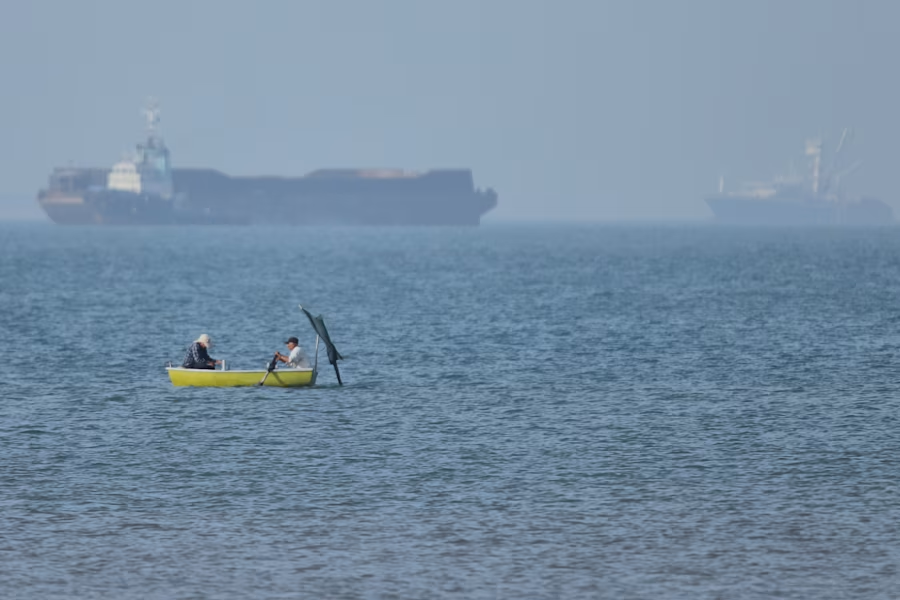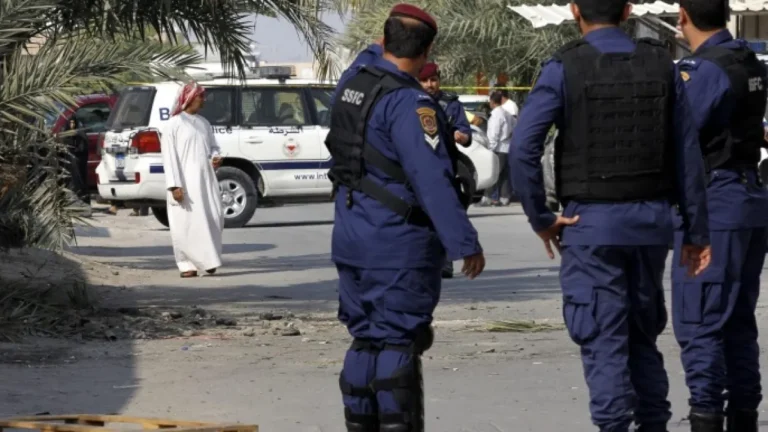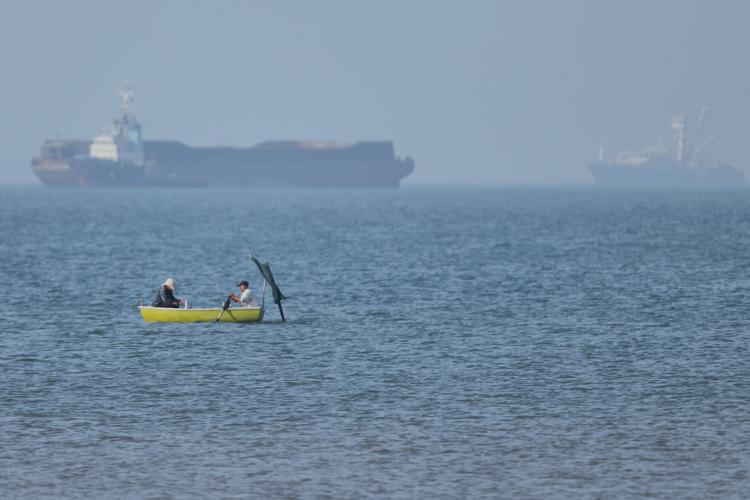
A month-old ceasefire in the war involving Iran appears to be holding, even as tensions escalated with multiple incidents reported over the weekend. This ceasefire, now a month old, provides a fragile pause in the conflict. Bahraini authorities arrested 41 individuals on Saturday, alleging their links to Iran’s Revolutionary Guard. These arrests come amidst a backdrop of increased regional friction. On Friday, the U.S. Military disabled two Iranian oil tankers that were reportedly attempting to breach the American blockade of Iran’s ports. The U.S. Has imposed a blockade of Iran’s ports since the war began on February 28, a conflict during which Iran has largely blocked the critical Strait of Hormuz for global energy shipments. Also on Friday, the U.S. Military thwarted attacks on three Navy ships and subsequently struck Iranian military facilities located in the Strait of Hormuz. These strikes show the ongoing military engagement despite the ceasefire. The war between Iran and the U.S. Began on February 28, marking a significant shift in regional dynamics. Since the commencement of hostilities, Iran has largely blocked the critical waterway for global energy shipments, impacting international trade and energy markets.
Naval Clashes and Blockade
U.S. Central Command reported on Saturday that its forces had intercepted 58 commercial ships and disabled four since the blockade of Iran’s ports commenced on April 13. This blockade, initiated by the United States, has been a key component of its strategy in the conflict. The ongoing blockade, implemented by the United States, has been in effect since the war began on February 28. The U.S. Central Command’s report detailed the extent of these maritime interdictions, noting the rigorous enforcement of the blockade. Forces have turned back 58 commercial vessels, preventing them from reaching Iranian ports. Additionally, four ships have been disabled, further emphasizing the U.S. Commitment to enforcing the blockade. These actions are part of a broader effort to exert economic pressure on Iran.
In response to the heightened regional tensions, Britain's Ministry of Defence is deploying the warship HMS Dragon to the Middle East. The deployment is intended to potentially protect commercial ships navigating the critical Strait of Hormuz, a key global energy chokepoint. The presence of the HMS Dragon aims to provide a deterrent and ensure the safety of international shipping in this vital passage. This strategic move by Britain shows the international concern over maritime security in the region. The Strait of Hormuz, known for its strategic importance, remains a focal point for naval operations and security concerns. The deployment of the HMS Dragon is a proactive measure to safeguard commercial interests and maintain stability in the volatile waters.
Concurrently, France is repositioning its aircraft carrier strike group into the Red Sea, preparing for potential operations in the region. This significant French naval movement further illustrates the international community's focus on the Middle East. The French aircraft carrier strike group's presence in the Red Sea positions it strategically for rapid deployment if circumstances demand. The movements by international naval assets unfold while Bahrain plays a central role in U.S. Naval operations. Reports indicated that Bahrain hosts the U.S. Navy’s regional headquarters, solidifying its importance as a strategic ally. The United States bases its 5th Fleet in Bahrain, providing a significant naval presence in the Persian Gulf and surrounding waters. The 5th Fleet's operations cover approximately 2.5 million square miles of water, including the Persian Gulf, Gulf of Oman, Red Sea, and parts of the Indian Ocean, making Bahrain a critical hub for regional security. These naval deployments and blockades show the ongoing efforts to manage maritime security amid the conflict and protect vital shipping lanes.
Diplomatic Efforts and Ceasefire
The United States is currently awaiting Iran's response to its most recent proposal aimed at ending the ongoing conflict, reopening the Strait of Hormuz, and rolling back Iran's nuclear program. This full proposal seeks to address multiple facets of the current crisis. President Trump has maintained that the existing ceasefire is holding, offering a cautious assessment of the current situation. His insistence on the ceasefire's effectiveness provides a degree of reassurance amidst the military maneuvers and diplomatic impasses. The U.S. Proposal represents a significant diplomatic initiative, designed to achieve a lasting resolution to the hostilities. The terms of the proposal, including the reopening of the Strait of Hormuz, are key for global trade and energy markets. The call to roll back Iran's nuclear program reflects persistent international concerns regarding its development.
Pakistani Prime Minister Shehbaz Sharif stated that his country has been in contact with both the U.S. And Iran "day and night" in an effort to extend the ceasefire and facilitate a peace deal. Pakistan's active role as a mediator notes the regional and international desire for de-escalation. Prime Minister Sharif's remarks emphasize the continuous and intense nature of these diplomatic engagements. Russia’s Foreign Ministry announced on Saturday that it, along with Saudi Arabia, was advocating for diplomatic efforts to achieve a "sustainable, long-term agreement" to resolve the war. This joint call from Russia and Saudi Arabia shows a shared commitment to finding a peaceful resolution. Both nations recognize the need for a full and enduring solution to the conflict.
Top diplomats from Egypt and Qatar reiterated their shared belief that diplomacy represents the sole path to a lasting solution. Their statements reinforce the consensus among several international actors that a negotiated settlement is critical. The emphasis on diplomacy by these key regional players notes the urgent need for dialogue and negotiation. These combined international efforts reflect a broad desire to move beyond the current military standoff and establish a stable peace. The diplomatic channels remain active, even as military tensions persist, indicating a dual approach to managing the crisis.
Internal Iranian Affairs
Iranian Foreign Ministry spokesperson Esmail Baghaei said on Friday that the country was not paying attention to "deadlines" regarding international proposals. This statement came amidst ongoing diplomatic efforts to end the conflict and address Iran's nuclear program. Baghaei's comments suggest Iran's position on the timing of negotiations remains firm, despite pressure from other nations. His remarks indicate a reluctance to be bound by external timelines for resolutions. This stance could complicate international efforts to expedite a peace agreement and nuclear deal. The spokesperson's statement reflects Iran's independent approach to negotiations, signaling that it will proceed on its own terms.
Within Iran, Supreme Leader Mojtaba Khamenei has not been seen or heard in public since the war began. This prolonged absence has fueled speculation and concern regarding his status. However, reports indicated that a top Iranian official stated Khamenei was in "complete health" and would eventually appear in public. This assurance aimed to quell speculation regarding his well-being and continued leadership during the conflict. The absence of a public appearance by the Supreme Leader has been noted, given the significant regional tensions and the ongoing war. His public silence during such a critical period has been a subject of considerable interest both domestically and internationally.
Mazaher Hosseini, a prominent figure, stated that Mojtaba Khamenei suffered knee and back injuries during the war's opening attacks. Hosseini added these injuries have largely healed, providing a specific explanation for the Supreme Leader's absence. This information provides some detail regarding Khamenei's condition and explains his public absence since the commencement of hostilities. The reports about his health and recovery are closely watched within Iran and by international observers, considering his key role in the country’s leadership. Hosseini's statement aims to provide clarity and reassure the public about the Supreme Leader's recovery and eventual return to public life. The details of his injuries shed light on the personal impact of the war's initial phase on Iran's highest authority.