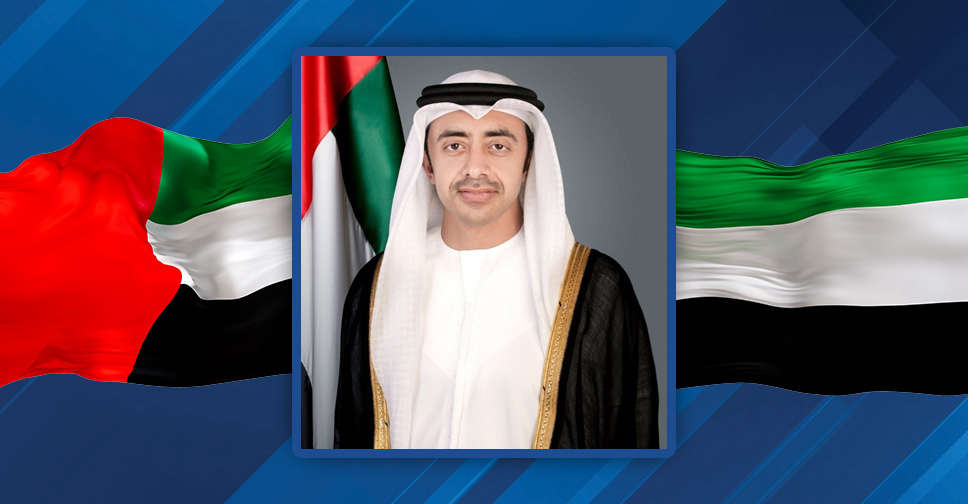
His Highness Sheikh Abdullah bin Zayed Al Nahyan, Deputy Prime Minister and Minister of Foreign Affairs, expressed the United Arab Emirates' support for Bahrain following an announcement from Bahraini authorities. Bahrain stated it had uncovered a cell linked to Iran’s Islamic Revolutionary Guard Corps (IRGC). This significant development has drawn attention across the region. The UAE's backing comes as Gulf states frequently monitor and respond to perceived threats to regional stability, showing a shared commitment to security. His Highness Sheikh Abdullah bin Zayed Al Nahyan affirmed the UAE's solidarity with Bahrain in its efforts to maintain security and stability against such external influences, emphasizing the unified stance of Gulf nations.
UAE Condemns Iran-Linked Cell
Sheikh Abdullah bin Zayed Al Nahyan commended Bahraini authorities for their successful work in uncovering the cell and initiating legal proceedings against those involved. His praise specifically noted the swift and decisive action taken by Bahrain. The United Arab Emirates reaffirmed its strong rejection of all forms of terrorism and any organizations associated with foreign agendas, reiterating a long-standing policy. The UAE stressed the critical importance of fostering regional and international cooperation to effectively counter security threats, advocating for a concerted effort among nations. UAE officials stated that Bahrain's security is intrinsically linked to the overall security of the United Arab Emirates and other Gulf states, noting the interconnectedness of regional stability and the collective security interests of the GCC. This statement shows the principle that an attack on one Gulf state is seen as a threat to all.
Bahrain's Security Concerns
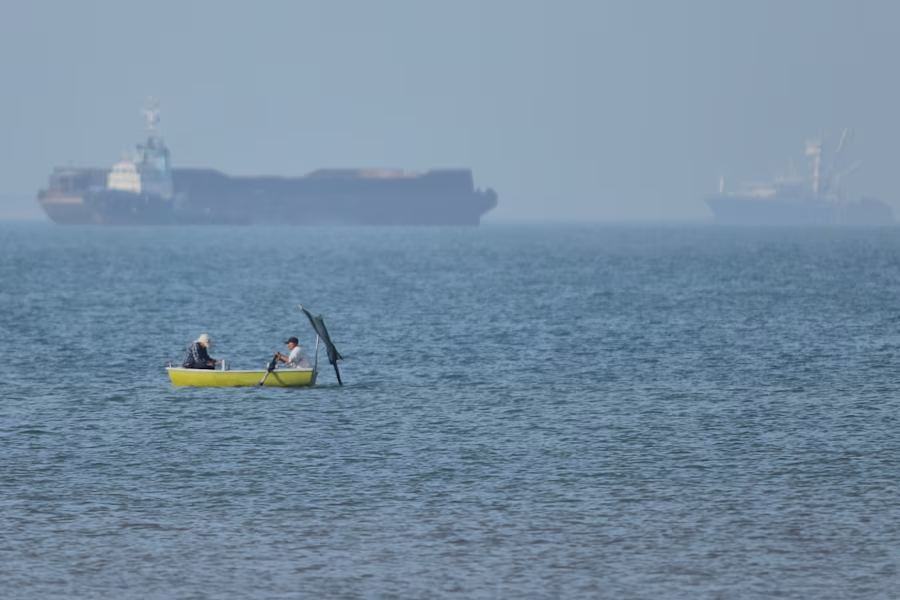
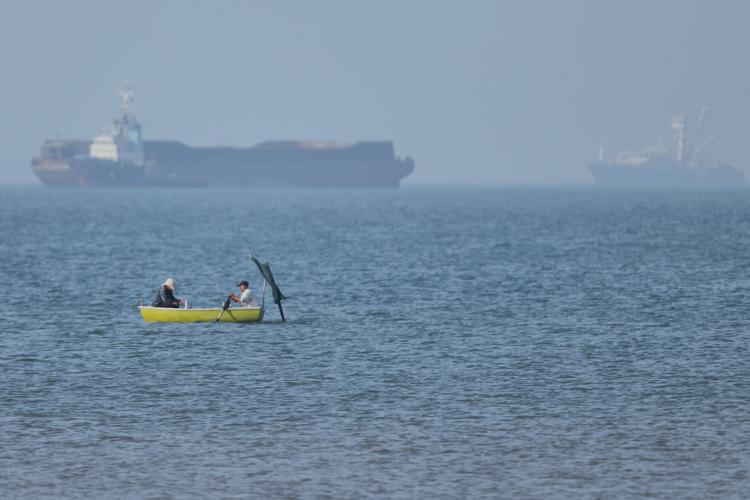
Bahrain has been significantly affected by regional conflicts, particularly regarding its war with Iran, which resulted in several strikes targeting its civilian and energy infrastructures during the month-long combats. These attacks caused considerable damage and disruption to essential services and economic activities. The kingdom also experienced substantial economic repercussions due to the closure of the Strait of Hormuz, a vital shipping lane for global oil supplies. This closure severely impacted trade and maritime traffic, leading to significant financial losses and operational challenges for Bahrain. In response to these persistent challenges and threats to its sovereignty and economic well-being, Bahrain advocated for a United States-proposed United Nations resolution. The resolution aimed to demand that Iran cease its attacks and the laying of mines in the vital Strait of Hormuz, showing Bahrain's profound concerns about maritime security and regional stability. These past events highlight the context of Bahrain's ongoing security concerns within the Gulf region and its proactive diplomatic efforts to address them. The historical context of these confrontations shapes Bahrain's current vigilance against perceived external threats.
Ongoing Investigations and International Reactions
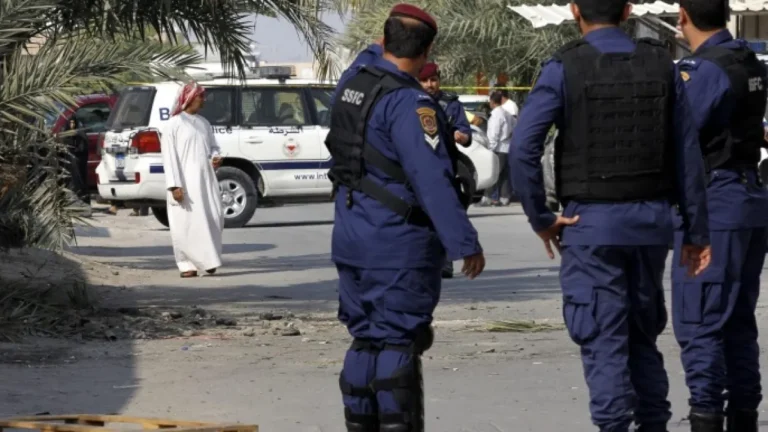
Bahraini authorities arrested 41 individuals linked to the main Islamic Revolutionary Guard Corps (IRGC) within the country. This large-scale operation reflects the seriousness with which Bahrain views the threat posed by such organizations. Bahrain's Interior Ministry announced the arrests on Saturday, stating that investigations are ongoing to fully dismantle the network. A ministry spokesperson confirmed, "Investigations continue to take the necessary measures against anyone found to be involved in the activities of this organization and to have committed illegal acts." This statement reiterates the government's commitment to upholding the rule of law and prosecuting those involved in activities deemed detrimental to national security. Meanwhile, UN Security Council members commenced closed-door talks on Tuesday regarding a US-drafted text addressing Iran's actions. These discussions follow a previous Bahraini resolution, supported by the United States, which failed to pass last month after Russia and China exercised their vetoes against it. The ongoing diplomatic efforts at the UN reflect the international community's engagement with the broader issue of regional stability and Iran's role, despite past obstacles.