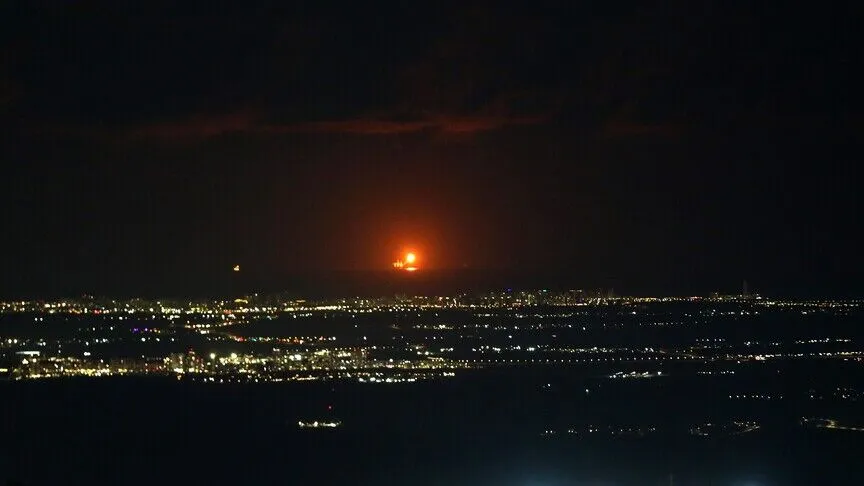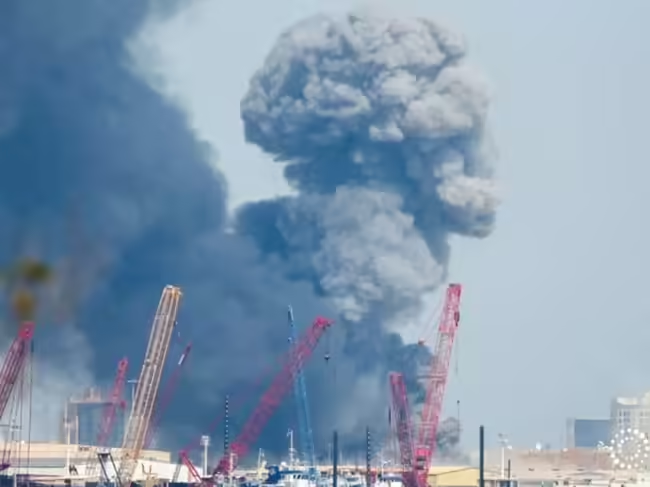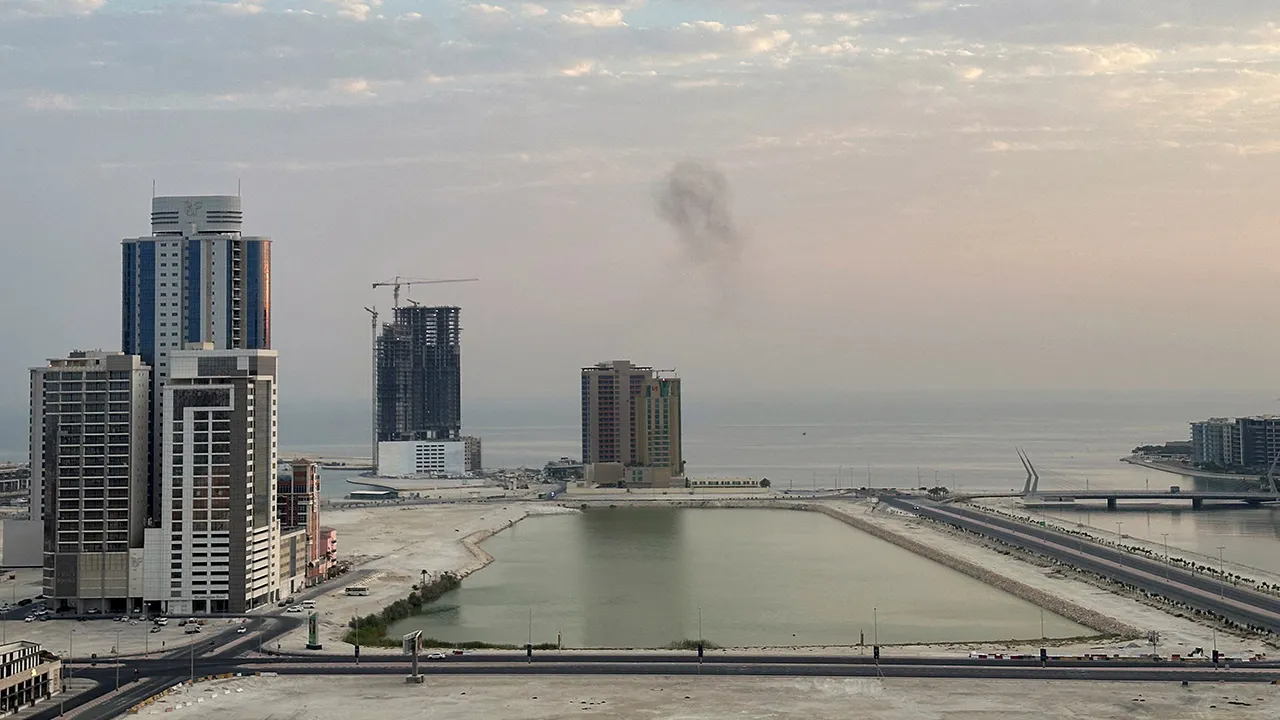
Iran's Islamic Revolutionary Guard Corps (IRGC) announced it struck and destroyed radar and jet fuel infrastructure at the Sheikh Isa airbase in Bahrain. The IRGC stated the attack was carried out on Wednesday, following its previous declaration of intent to target U.S. Interests in the region. The strike specifically targeted critical radar installations and jet fuel storage facilities at the base. "The battle continues," the IRGC asserted in its statement, indicating ongoing operations. The specific time of the strike was not immediately disclosed, though the announcement came swiftly after the alleged action. The IRGC's actions have heightened tensions in the region, drawing international attention to the escalating conflict.
IRGC's Justification for Attack
The Islamic Revolutionary Guard Corps (IRGC) stated its strike on the Bahraini airbase was a retaliatory measure, citing recent U.S. Actions that it claims targeted civilian infrastructure. The IRGC claimed the United States had targeted a children's cancer hospital and a factory producing drinking water for pilgrims traveling to Karbala, located in the border area of Ilam province. These alleged strikes on medical and humanitarian facilities were presented by the IRGC as a direct provocation. In Ahvaz, a cancer hospital was evacuated following strikes in its vicinity, further corroborating the IRGC's claims of civilian infrastructure being impacted. The proximity of military actions to civilian areas has raised significant concerns. The IRGC explicitly stated its actions were in direct response to what it termed "child-killing" operations by the American military. "The battle continues," the IRGC declared, indicating that further actions may be forthcoming as part of their response to perceived aggression against Iranian civilians and infrastructure.
Escalating Cross-Border Strikes
The Sheikh Isa airbase in Bahrain has experienced repeated strikes in recent days, with both the Islamic Revolutionary Guard Corps (IRGC) and Iran's army claiming responsibility for the attacks. These persistent strikes show the intensity of the ongoing conflict. United States forces have simultaneously continued to launch strikes into Iranian territory, targeting areas ranging from its southern coast to central-northern provinces. This reciprocal exchange of fire has expanded the geographical scope of the conflict significantly. The U.S. Strikes have impacted a wide range of locations, indicating a broad strategic objective. The IRGC reiterated its commitment to ongoing operations, stating, "The battle continues." This pattern of reciprocal strikes indicates a sustained period of cross-border military action, with no immediate signs of de-escalation from either side. The continuous nature of these operations suggests a prolonged period of instability in the region.
Ongoing Conflict and Outlook
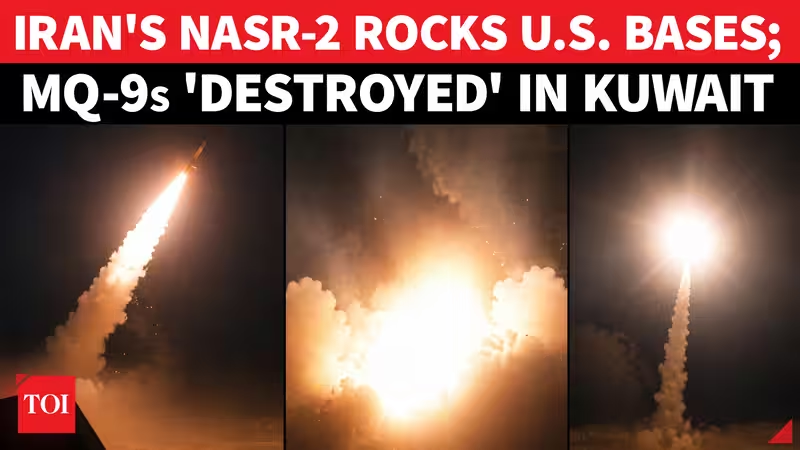
The Islamic Revolutionary Guard Corps (IRGC) announced its naval forces executed the recent attack on the Sheikh Isa airbase as part of "Operation Nasr 2." This operation signals an ongoing military posture from the IRGC, demonstrating their capacity to project power beyond Iran's borders. The use of naval forces in this operation notes the diverse capabilities of the IRGC. Meanwhile, the broader conflict has reportedly resulted in the deaths of more than 30 civilians due to United States strikes. This civilian casualty toll adds a grim dimension to the ongoing hostilities and has been a central point of contention in the IRGC's justifications for its own actions. The IRGC has maintained a firm stance, stating, "The battle continues," indicating a sustained period of engagement and potential further actions from the organization. The humanitarian impact of these strikes, particularly the reported civilian deaths, remains a critical aspect of the conflict.
IRGC Vows Continued Battle
The Islamic Revolutionary Guard Corps (IRGC) attributed recent strikes on coastal bases and civilian sites to the "child-killing American army." This strong rhetoric shows the IRGC's narrative framing of the conflict, portraying itself as a defender against foreign aggression. The IRGC has maintained a consistent posture regarding the ongoing conflict, emphasizing its resolve. A spokesperson for the organization stated, "The battle continues," signaling their intent to proceed with further military actions and an unwillingness to back down. This declaration reiterates the IRGC's commitment to persistent engagement within the region, following their reported attacks on infrastructure at the Sheikh Isa airbase in Bahrain. The group has consistently framed its actions as responses to perceived aggression, indicating a prolonged period of military tension and operations that show no immediate signs of abating.