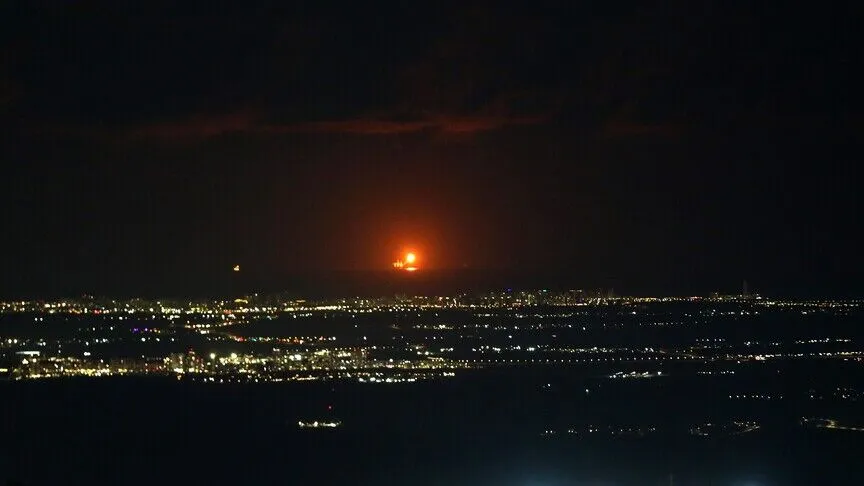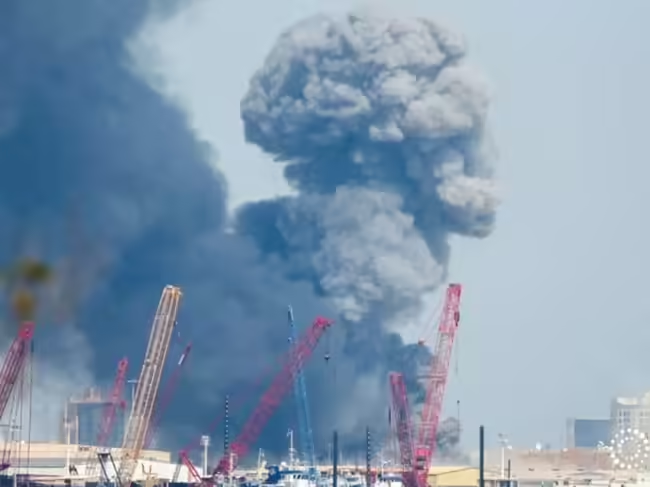
United States forces escalated military actions against Iran early Thursday, launching intensified strikes that targeted new locations within the country. Concurrently, the United States reimposed a naval blockade on the Islamic Republic, further tightening restrictions. These actions represent a significant escalation following a period of relative calm in the region, effectively shattering an interim agreement previously in place. The intensified strikes early Thursday by United States forces specifically targeted Iran, hitting a range of new locations as the conflict deepened.
US Strikes Expand Across Iran
Strikes also reached into Iran's capital, Tehran, for the first time in this latest round of violence, with American attacks hitting areas around the city early Thursday. The U.S. Military reported targeting Iranian defense and missile sites on Greater Tunb Island, a strategic location. Additionally, American forces opened fire on the Curacao-flagged oil tanker Belma as it sailed toward Kharg Island. According to the U.S. Military, the vessel was disabled when an aircraft fired a missile into its smokestack after the ship reportedly ignored multiple warnings. This incident involving the merchant vessel further showed the expanding scope of U.S. Military operations in the region.
Another American strike on Wednesday targeted a barracks for Iran's 388th Mechanized Infantry Brigade in Sistan and Baluchestan province. The brigade operates tanks and armored vehicles, making it a critical component of Iran's ground forces. Reports also indicated that American attacks targeted Semnan province, which is home to Iran's ballistic missile production and space program. These strikes against key military and industrial targets illustrate a deliberate effort to degrade Iran's capabilities. The U.S. Military had resumed striking Iran during daylight hours on Wednesday, signaling a shift in operational tempo and visibility.
Iran's Retaliation and Casualties
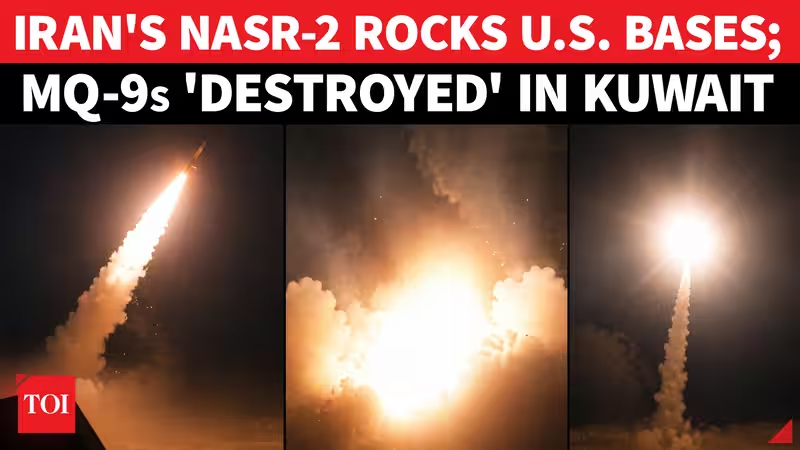
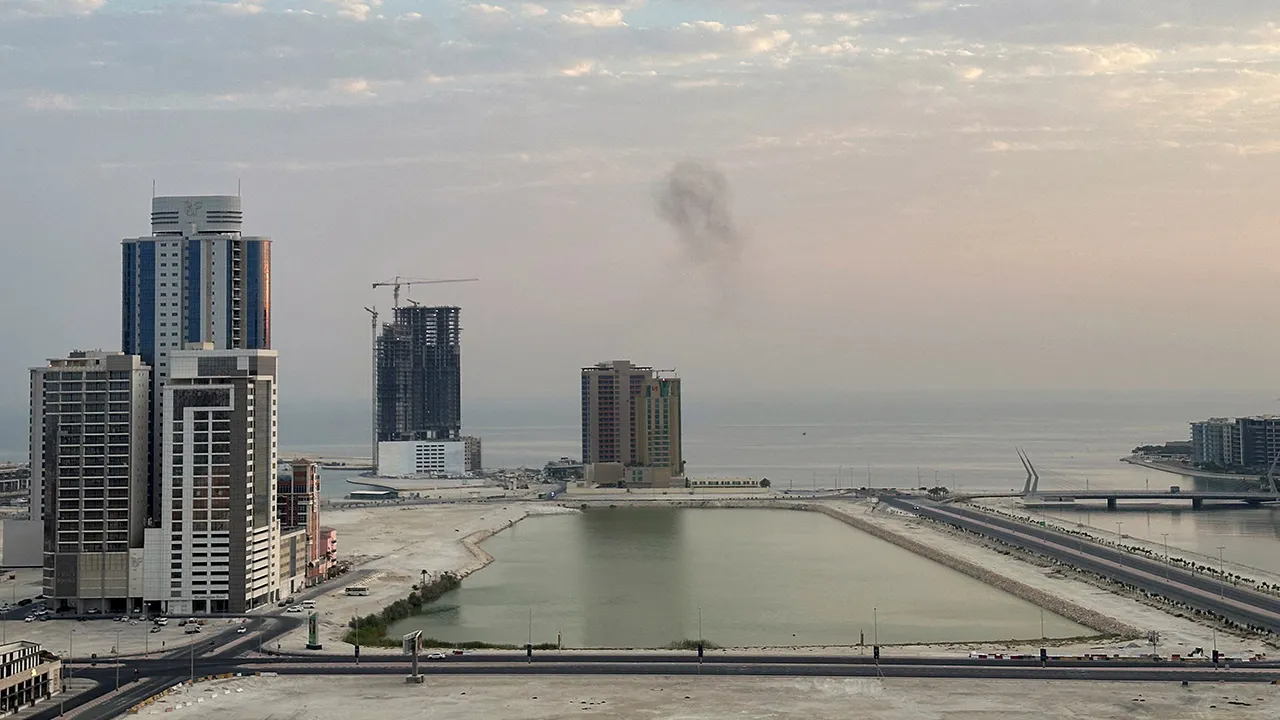
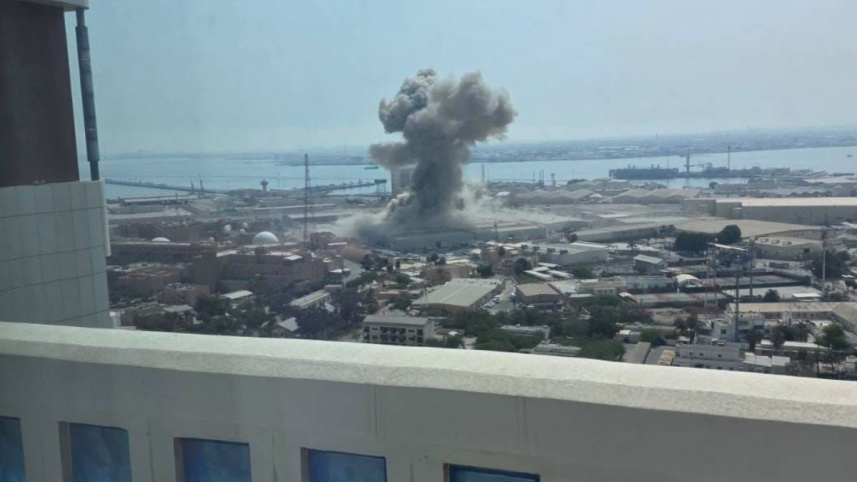
Iran retaliated before dawn with missile and drone fire targeting Bahrain and Kuwait. Attacks from Iran followed intensified U.S. Strikes across the country, which included targets in Tehran and on Greater Tunb Island. This rapid counter-response notes the tit-for-tat nature of the escalating conflict.
Iranian officials stated that U.S. Strikes have killed more than 35 people and wounded more than 300 others. These casualty figures emerged as the conflict escalated, with American forces also targeting Iran's 388th Mechanized Infantry Brigade in Sistan and Baluchestan province and sites in Semnan province. The figures indicate a significant human toll from the recent engagements. In one specific attack, Americans fired at least 13 missiles, resulting in seven fatalities. The report specified that those killed included both conscripts and career soldiers, showing the impact on Iran's military personnel. The scale of these casualties further emphasizes the severity of the renewed hostilities.
Deal Collapse and Blockade
Days of back-and-forth strikes between the United States and Iran across the Middle East have effectively ended the interim agreement to resolve the Iran war. This interim deal, which had previously offered a period of relative calm, has been shredded by the recent surge in military actions. The intensified military actions, including U.S. Strikes on Iranian defense and missile sites and Iranian retaliation targeting Bahrain and Kuwait, signify a collapse of previous de-escalation efforts. The U.S. Military reported targeting the Curacao-flagged oil tanker Belma near Kharg Island, further demonstrating the expanded scope of operations into commercial shipping lanes. This recent surge in hostilities, which saw American forces strike areas around Tehran and Iranian sites in Sistan and Baluchestan province and Semnan province, has undone the temporary truce. Iranian officials have reported more than 35 fatalities and over 300 injuries from the U.S. Strikes, painting a grim picture of the conflict's human cost. The reimposition of a naval blockade by the United States against the Islamic Republic further tightens restrictions, adding an economic dimension to the military escalation and signaling a full approach to pressure Iran.
Regional Implications and Rhetoric
The escalation has profound implications for regional stability, with the involvement of Bahrain and Kuwait in Iran's retaliatory strikes showing the broader dangers. The direct targeting of Iran's capital, Tehran, marks a significant shift in the U.S. Strategy, moving beyond previous engagements that largely focused on proxy forces or less central targets. The U.S. Military's decision to resume striking Iran during daylight hours on Wednesday also indicates a heightened operational posture, moving away from covert or nighttime operations. The precision targeting of military barracks, defense sites, and facilities related to ballistic missile production and space programs suggests an intent to degrade Iran's strategic capabilities. The incident with the Curacao-flagged oil tanker Belma notes the potential for the conflict to disrupt international shipping and energy markets, adding another layer of complexity to the already volatile situation. The rhetoric from both sides has hardened, with the significant casualty figures reported by Iranian officials serving as a stark reminder of the escalating human toll and the potential for further, more devastating exchanges. The collapse of the interim deal means that diplomatic pathways for de-escalation are now severely constrained, pointing towards a prolonged period of confrontation.