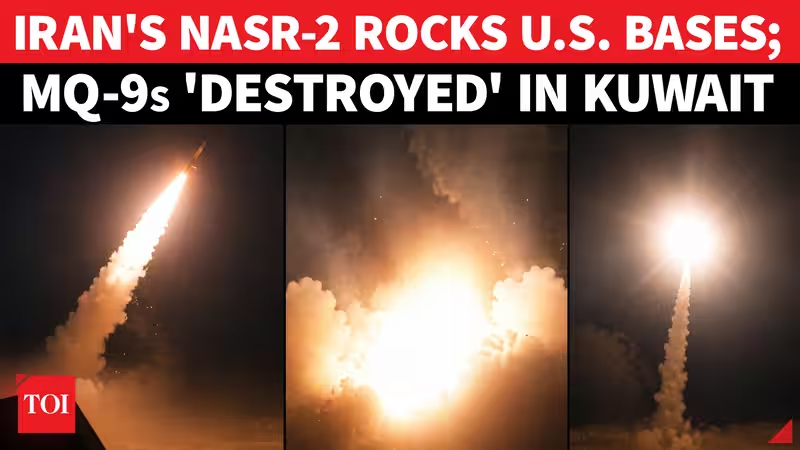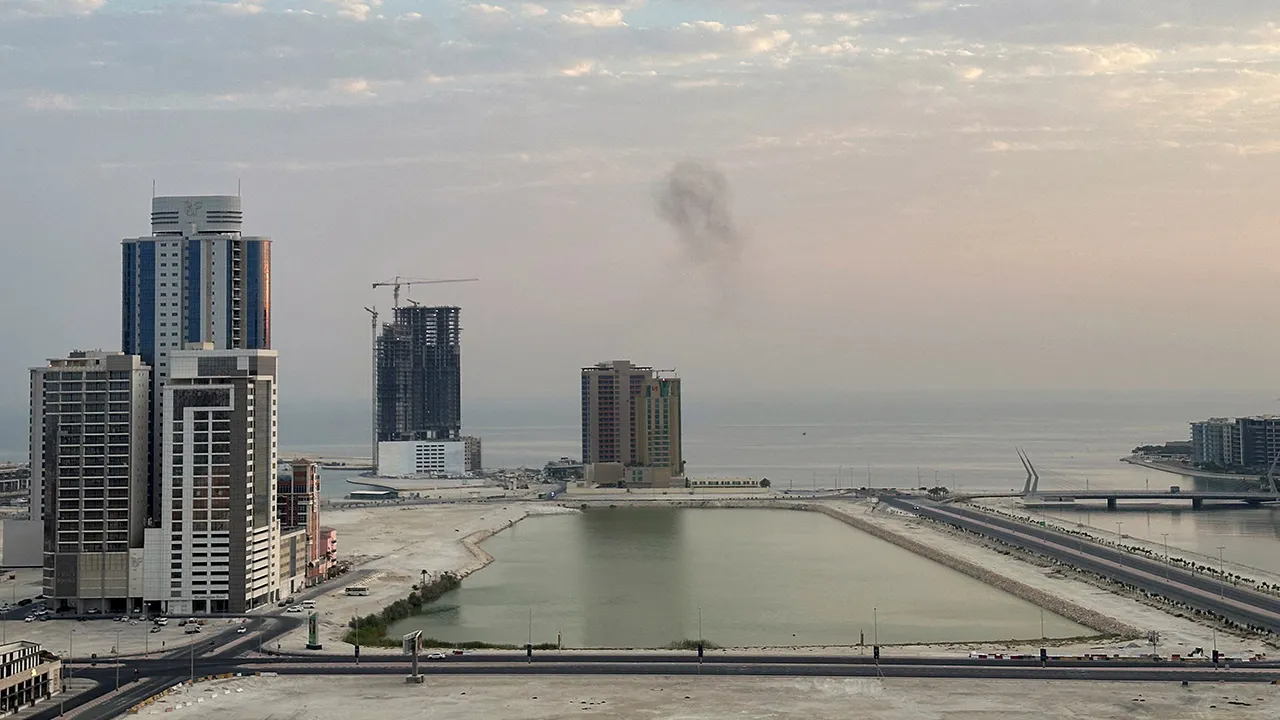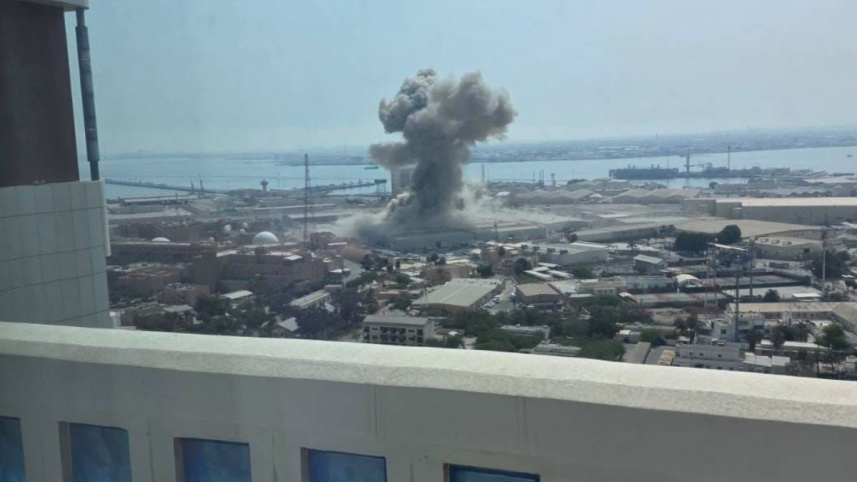
Iran's Islamic Revolutionary Guard Corps (IRGC) announced on July 15, 2026, that it had targeted facilities belonging to the US Fifth Fleet in Bahrain. The IRGC claimed it struck command-and-control, logistics, fuel, and military equipment installations. The declaration was made as the article covering the event was published and updated on July 15, 2026, at 08:38 AM. The IRGC issued a warning regarding the export of oil, stating its position is "for everyone or for no one."
IRGC's Claims and Warnings
The Islamic Revolutionary Guard Corps (IRGC) asserted that its actions were a direct response to perceived United States activities in the Indian Ocean. According to the IRGC, Washington's efforts to control the Strait of Hormuz and restrict vital shipping routes necessitated the strikes. The Iranian military organization specified that its operation was a countermeasure against what it described as attempts to exert dominance over strategic waterways. The IRGC has consistently viewed the presence of US forces in the region, particularly near the Strait of Hormuz, as a threat to its national security interests and maritime freedom. This latest claim shows the ongoing tensions between Iran and the United States over naval operations and influence in key Middle Eastern maritime corridors. The IRGC's statement emphasized that the alleged targeting of US Fifth Fleet facilities in Bahrain was a retaliatory measure intended to deter further American actions aimed at controlling the region's sea lanes. The IRGC explicitly stated that it had targeted command-and-control, logistics, fuel, and military equipment facilities belonging to the US Fifth Fleet in Bahrain. This action, the Guards reiterated, was taken in response to US activities in the Indian Ocean and perceived efforts to control the Strait of Hormuz and restrict shipping routes.
Bahrain's Response
Bahrain's Interior Ministry confirmed that air raid sirens had been activated across the country. Following the activation, the ministry issued a public alert urging residents to maintain calm and seek shelter immediately. This directive was communicated widely to ensure public safety in response to the reported incident. The ministry's statement emphasized the importance of adherence to emergency protocols during such events. Authorities did not provide further details regarding the source or nature of the threat that prompted the widespread alert. Residents were advised to stay informed through official channels and await further instructions from emergency services. The ministry's quick response aimed to manage public reaction and ensure an orderly protective measure for the population. Bahrain's Interior Ministry specifically stated that air raid sirens had sounded, prompting the urgent advice for residents to remain calm and seek shelter.
Context and Implications
The Islamic Revolutionary Guard Corps (IRGC) articulated a clear warning regarding the potential closure of other export routes. The Guards stated that if Washington attempted to obstruct the region's oil and gas exports by gaining control over maritime routes, then other export pathways serving US and allied interests could also face closure. This declaration linked the security of Iranian exports directly to the broader flow of international trade, suggesting a reciprocal action. The IRGC's stance implies an intent to disrupt global energy markets if its own access to strategic waterways, particularly for energy exports, is perceived to be threatened. The warning shows the IRGC's long-standing position on the Strait of Hormuz, a critical chokepoint for global oil shipments. The group has historically maintained that Iran's ability to export oil should not be undermined. The Guards specifically warned that if Washington sought to block the region's oil and gas exports by controlling maritime routes, other export routes serving US and allied interests could also be closed. This explicit warning notes the potential for a wider escalation impacting global energy supply chains.