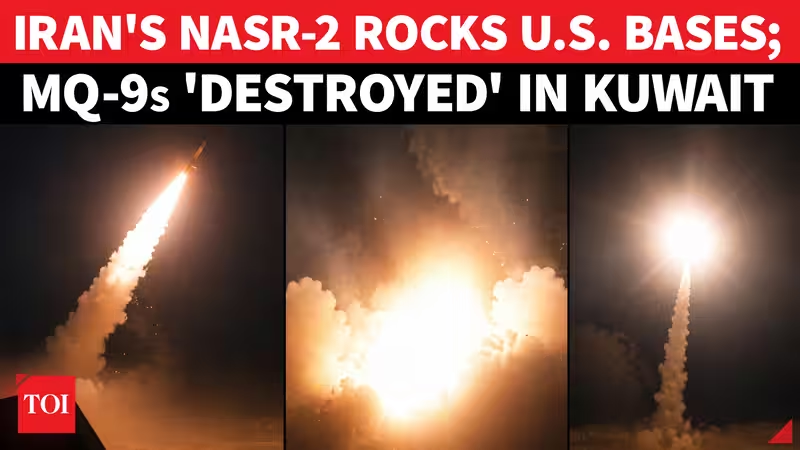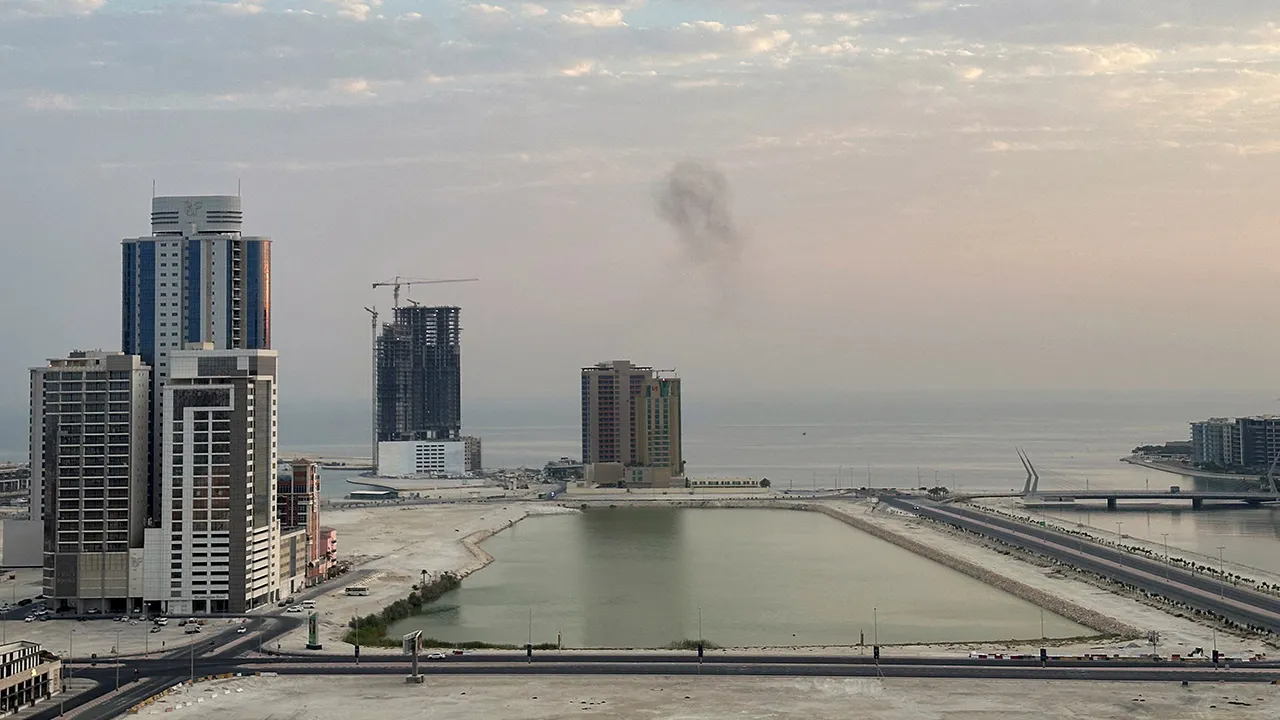
Iran's Islamic Revolutionary Guard Corps (IRGC) announced on Wednesday it had targeted facilities belonging to the U.S. Fifth Fleet in Bahrain. The IRGC stated its strike focused on command-and-control, logistics, fuel, and military equipment infrastructure, explicitly claiming these specific elements of the U.S. Naval presence were the targets. This action, described by the IRGC as a direct military operation, was accompanied by a stern warning from the Iranian military branch, which declared its intention to enforce an export blockade in the Indian Ocean and the Strait of Hormuz. "For everyone or for no one," the IRGC stated, signaling its uncompromising stance on regional maritime access and the flow of goods through these critical waterways. The strike and subsequent warning mark a significant escalation in tensions in the Gulf region.
IRGC's Claims and Justification
The Islamic Revolutionary Guard Corps (IRGC) further stated its actions were a direct response to perceived U.S. Activities in the Indian Ocean. The Guards specifically cited what they described as U.S. Attempts to control the Strait of Hormuz and restrict established shipping routes. This justification links the recent strike on U.S. Fifth Fleet facilities in Bahrain to broader maritime security concerns articulated by the IRGC, which views such U.S. Actions as a threat to its own and regional interests. The Guards explicitly claimed this action was in response to these U.S. Efforts to exert control over the vital maritime choke point and impede the freedom of navigation for other nations. The IRGC has consistently emphasized its role in safeguarding Iran's interests in vital waterways, portraying its recent actions as defensive measures against perceived foreign interference.
Bahrain's Response and Sirens
Bahrain's Interior Ministry confirmed on Wednesday that air raid sirens were activated across the country. Following the activation, the ministry advised residents to maintain calm and seek appropriate shelter, indicating a serious response to a potential threat. The public advisory was issued amidst reports of a strike by Iran's Islamic Revolutionary Guard Corps (IRGC) targeting U.S. Fifth Fleet facilities located within Bahrain. The ministry reiterated its commitment to public safety while monitoring developments, though it did not immediately provide further details on the origin or nature of the threat that prompted the alarm. The activation of air raid sirens across Bahrain shows the gravity of the situation and the immediate impact of the IRGC's claims on the security landscape of the Gulf nation.
Threat to Regional Exports
The Islamic Revolutionary Guard Corps (IRGC) issued a potent warning concerning regional exports. The Guards stated that if the United States attempted to impede the region's oil and gas exports by controlling maritime routes, then other export routes utilized by U.S. And allied interests could also face closure. This declaration expands on the IRGC's previously articulated stance on maritime access in the Indian Ocean and the Strait of Hormuz, where it had declared "For everyone or for no one." The warning suggests a potential escalation in response to perceived U.S. Actions affecting regional energy trade, directly linking any U.S. Attempts to block the region's oil and gas exports to potential retaliatory measures against U.S. And allied commercial interests. The IRGC's position links maritime control directly to the unimpeded flow of its own and other regional exports, indicating a broader strategy regarding shipping lanes and global energy markets.
Broader Implications and Warnings
The Islamic Revolutionary Guard Corps' actions and statements indicate a potential broadening of its strategy regarding maritime control. Its warning of an export blockade in the Indian Ocean and the Strait of Hormuz, coupled with the strike on U.S. Fifth Fleet facilities in Bahrain, suggests a more assertive posture. These developments show the IRGC's declared intent to influence navigation and commercial shipping in critical waterways, linking perceived U.S. Interference to potential retaliatory measures affecting regional and international trade. The situation notes ongoing tensions surrounding maritime security in the Gulf region, particularly concerning the strategic importance of the Strait of Hormuz for global energy supplies. The IRGC's explicit warnings signal a readiness to disrupt international shipping if its perceived red lines regarding maritime control are crossed.