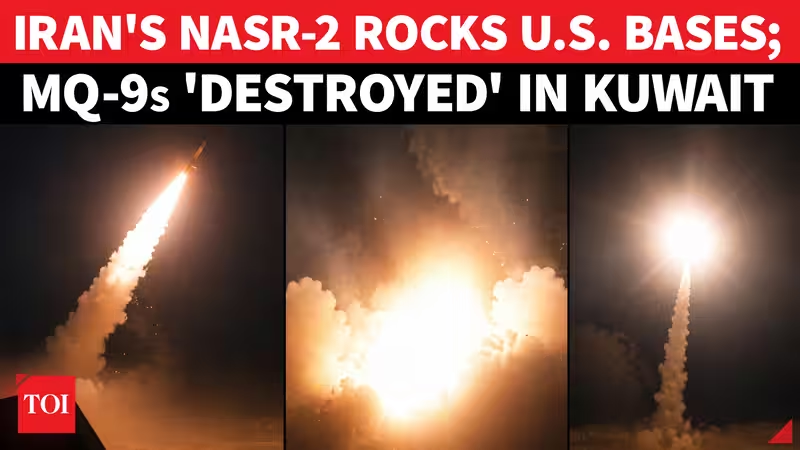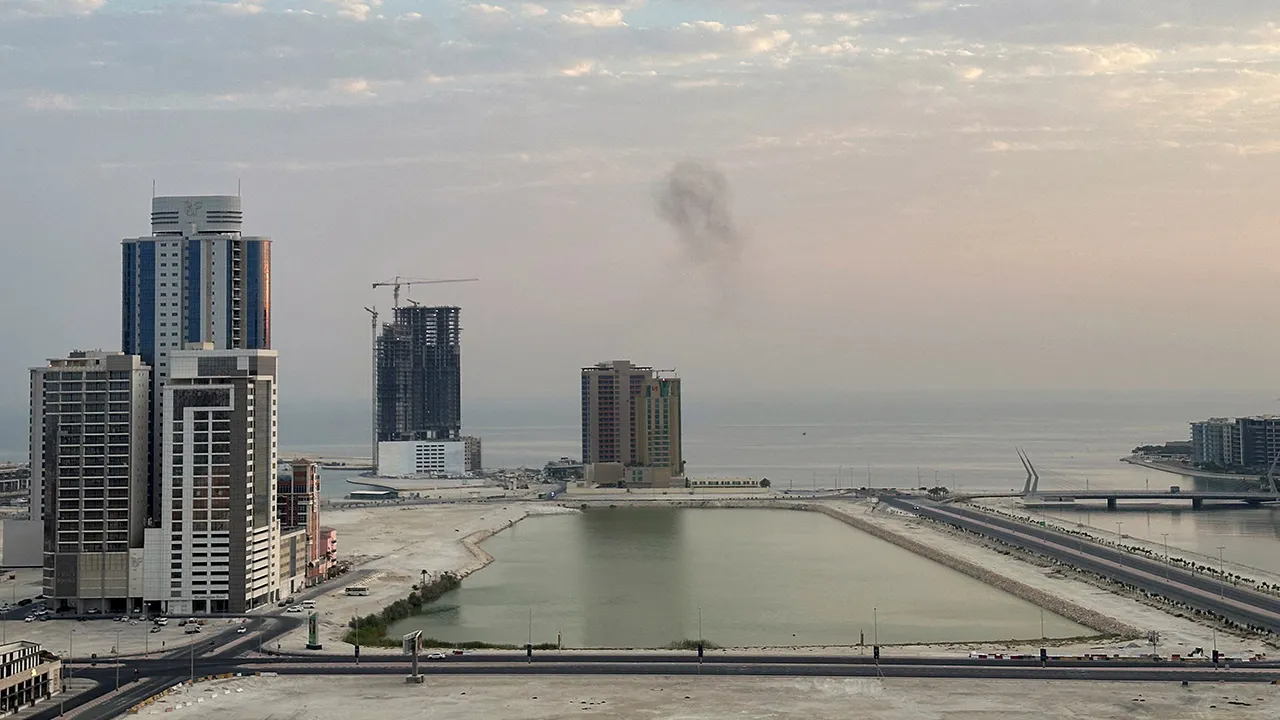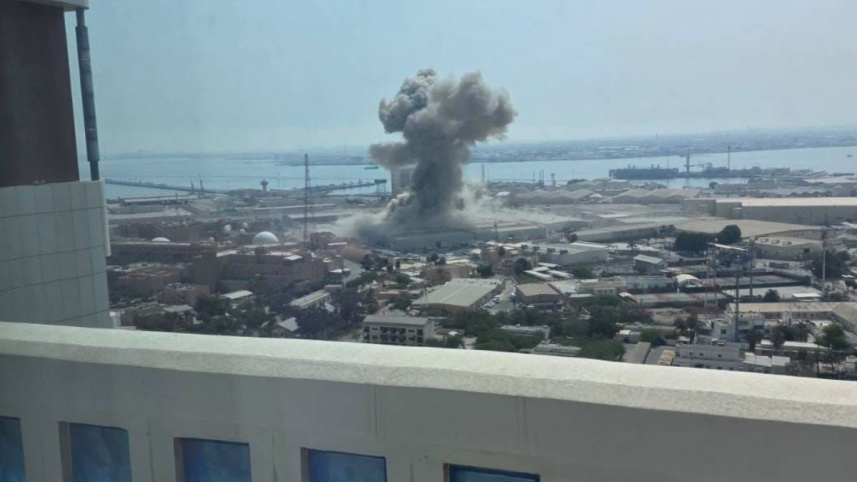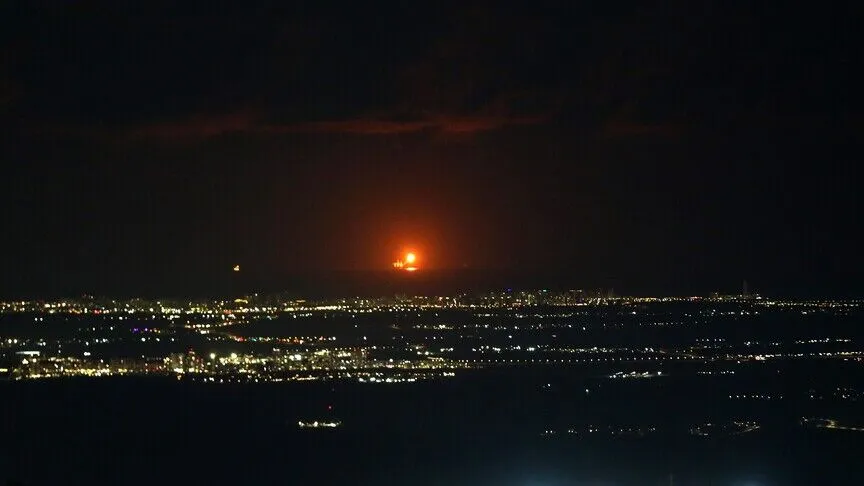
Iran’s military announced Thursday that it launched strikes targeting US radar and air defense assets located in Kuwait and Bahrain. The actions were described as part of the tenth phase of its retaliatory campaign, which Iran refers to as Operation Lightning. The strikes were declared by Tehran as a response to perceived threats against its interests in the region, intensifying an already volatile geopolitical landscape. The specific locations of the targeted assets within Kuwait and Bahrain were not immediately detailed in the initial Iranian statement, but subsequent claims provided more precise information. This announcement marks a significant development in regional tensions, drawing attention to military installations in key Gulf states.
Kuwaiti Base Targeted
According to a statement carried by Fars News Agency, the Iranian military announced it struck radar systems, Patriot air defense batteries, and fuel storage tanks utilized by US forces at Kuwait’s Ali Al Salem Air Base. These claims suggest a direct targeting of critical American military infrastructure. Iran’s Islamic Revolutionary Guard Corps (IRGC) also claimed responsibility for these attacks in Kuwait, further asserting the involvement of its elite forces. The IRGC specified that it had targeted a C-RAM early warning radar and an assembly area for US personnel, both reportedly located at Ali Al Salem Air Base. These claims represent a direct accusation of targeting a specific US military facility in the region, indicating a calculated and deliberate operation. The alleged strikes on radar systems and Patriot batteries show Iran’s declared intent to neutralize perceived threats to its security and regional influence.
Bahraini Base Hit
In a separate operation, Iran claimed its drones targeted US communication and radar infrastructure at Bahrain’s Sheikh Isa Air Base. The Iranian military specified that these strikes included Super Hawk radar systems and Patriot installations located at the base, indicating a focus on key surveillance and defense capabilities. This claim, announced by the Islamic Revolutionary Guard Corps (IRGC), indicates a direct targeting of US military assets in Bahrain, mirroring the alleged actions in Kuwait. The alleged drone attacks are part of what Iran describes as the tenth phase of its retaliatory campaign, known as Operation Lightning. The IRGC has taken responsibility for these claimed strikes, framing them as a response to perceived threats against Iranian interests. The use of drones suggests a sophisticated approach to targeting, aiming to bypass conventional defenses and deliver a clear message of deterrence. The inclusion of communication infrastructure among the targets further notes an effort to disrupt operational capabilities.
Escalating Regional Tensions
The Iranian military’s statements on the strikes emerged amidst escalating tensions between the United States and Iran concerning the Strait of Hormuz. This critical maritime chokepoint has been a persistent source of geopolitical concern, given its importance for global oil shipments. Both nations have engaged in exchanges of attacks in the region, contributing to a cycle of confrontation and retaliation. These incidents have occurred despite a memorandum of understanding, mediated by Pakistan, which was intended to conclude their conflict and establish a lasting peace agreement. The ongoing friction in the Strait of Hormuz, a vital artery for international trade, has created a precarious security situation. The recent claims by Iran regarding strikes on US military radar in Kuwait and Bahrain further show the fragile security situation in the broader Middle East. The Pakistani-mediated agreement aimed to de-escalate hostilities and foster stability, but recent events suggest that underlying tensions persist and continue to manifest in military actions, challenging prospects for a lasting peace.