An Iranian lawmaker warned of potential retaliatory ground attacks against Kuwait and Bahrain if the United States initiates a ground invasion of Iran. Ahmad Bakhshayesh Ardestani, a member of Iran's parliament, made the statement during an interview with the Iranian news outlet Entekhab on July 17, 2026, at 20:25 local time. Ardestani stated, "If the United States launches a ground attack against Iran, there is a possibility that Iran would also carry out ground attacks against Kuwait and Bahrain." His comments show rising tensions in the region amid concerns over potential US military action. Mr. Ardestani is a prominent member of the Iranian Parliament's National Security and Foreign Policy Committee, lending significant weight to his pronouncements on regional security matters. The interview, conducted by the Iranian news outlet Entekhab, provided a platform for these stark warnings, reflecting a growing apprehension within Iranian political circles regarding potential military confrontations.
US Strategy and Iranian Concerns
A lawmaker also claimed that Washington might temporarily capture Kharg Island but would ultimately be unable to maintain control. Kharg Island, recognized as Iran's primary oil export terminal, represents a critical strategic asset for the Islamic Republic. The temporary capture of such a vital facility, while disruptive, would not guarantee long-term control, according to these Iranian assessments. It was asserted that US President Donald Trump had failed to adhere to the provisions outlined in the Islamabad memorandum of understanding. Washington reportedly sought to establish an alternative maritime corridor through Oman. This initiative aimed to redirect commercial shipping and diminish Iran's strategic leverage over the Strait of Hormuz. The strategy included a 60-day implementation period for this alternative route, designed to provide an alternative to the critical waterway that Iran has historically influenced. This move by Washington, if successful, would significantly weaken Iran's ability to exert pressure on global oil markets through its control of the strait.
Regional Tensions and Oil Routes
Kharg Island, Iran's primary oil export terminal, was reportedly a potential target according to Iranian lawmakers. Amid escalating tensions, Arab states were said to be seeking negotiations to contain the unfolding crisis. These diplomatic efforts highlight the widespread concern among regional players regarding the potential for broader conflict and its broad consequences. Disruptions could also extend to the Bab el-Mandeb Strait if oil prices reached approximately $110 per barrel, further threatening regional stability. The Bab el-Mandeb Strait is another key chokepoint for global maritime trade, particularly for oil shipments from the Persian Gulf to the Suez Canal and onward to Europe. Such a price threshold for oil could trigger significant economic instability globally, amplifying the impact of any regional conflict. In response to these potential threats to maritime trade, the United Arab Emirates has reportedly been making efforts to expand its port infrastructure, signaling a proactive approach to safeguard its economic interests and supply chains against potential disruptions in vital shipping lanes.
Lawmaker's Warning and Capabilities
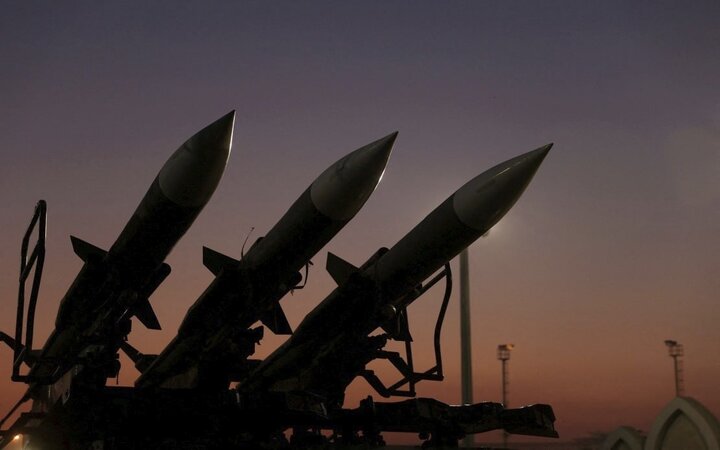
Ahmad Bakhshayesh Ardestani, a member of the Iranian Parliament's National Security and Foreign Policy Committee, issued a stern warning regarding potential retaliatory actions. Ardestani stated, "If the United States launches a ground attack against Iran, there is a possibility that Iran would also carry out ground attacks against Kuwait and Bahrain." This declaration comes amid heightened regional tensions. The lawmaker also noted Iran's military capabilities, asserting that Iranian missile systems possess the range to cover the surrounding region. This capability would enable potential strikes against neighboring states, aligning with Ardestani's warning about ground attacks in response to a US invasion. The comments reflect concerns within Iran regarding its defense posture and potential responses to external military action, emphasizing the nation's readiness to defend its sovereignty through a range of military options. The implied threat of missile strikes shows the potential for widespread escalation should a conflict erupt.