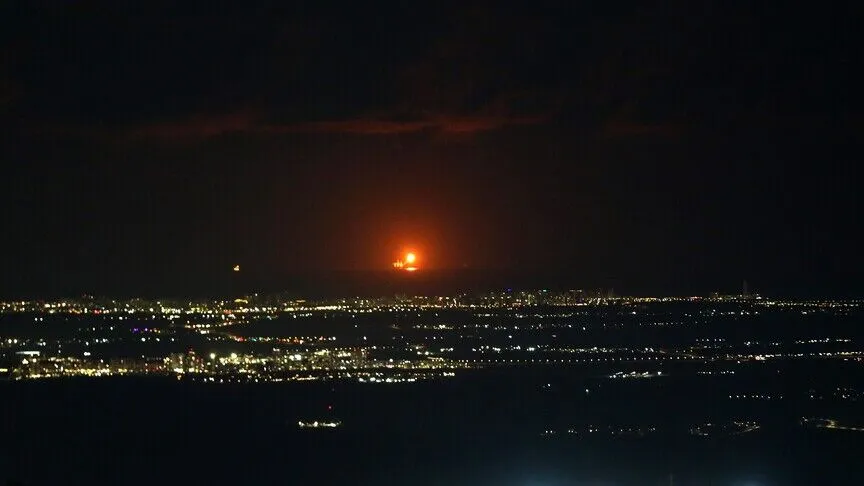
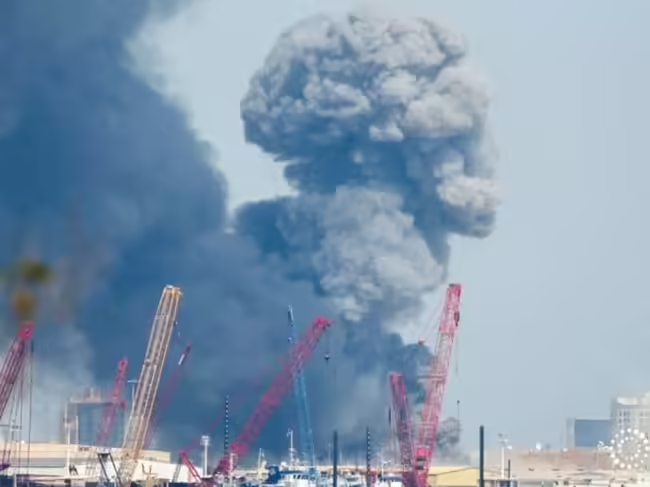
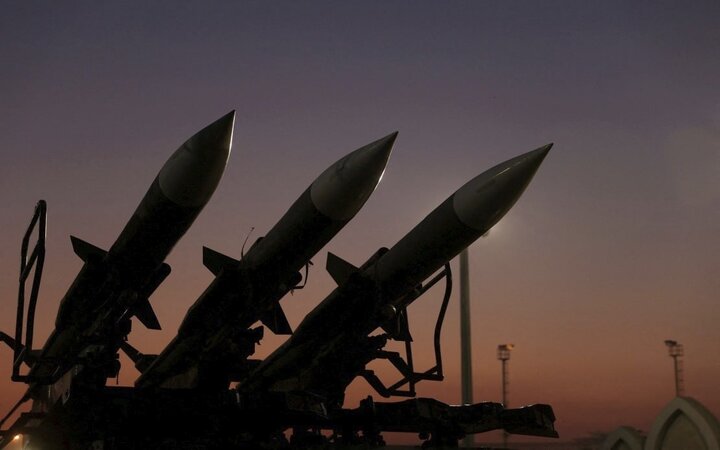
Bahrain and Kuwait experienced incoming Iranian fire early on Friday, July 17, 2026, marking an escalation in regional tensions. For the first time in the latest round of violence, strikes also reached areas around Iran's capital, Tehran. The simultaneous attacks indicate a widening scope of military action across the region, noting the growing intensity of the conflict. This development signals a significant shift in the geographical reach of the hostilities, affecting previously untouched areas and raising concerns about broader regional destabilization. The attacks on multiple fronts show the complex and interconnected nature of the ongoing military engagements.
Escalation of Hostilities
U.S. Airstrikes have broadened to target additional bridges within the Islamic Republic. This expansion of targets comes as the U.S. Air campaign intensifies across the region, reflecting a strategic decision to pressure Iranian infrastructure. The strikes against Iranian infrastructure represent a significant development in the ongoing military activities, suggesting a deliberate escalation of the U.S. Response to recent events. This expansion marks a new phase in the air campaign, moving beyond previous targets and aiming at critical logistical and supply routes within Iran. The intensified U.S. Military operations are a direct response to the volatile security situation and the persistent Iranian actions. The targeting of infrastructure, specifically bridges, aims to disrupt military movements and supply lines, potentially impacting Iran's capacity to project power within the region.
Regional Context and U.S. Presence
The countries of Bahrain and Kuwait have faced repeated rounds of fire in recent days, contributing to heightened regional instability. These sustained attacks have created a climate of insecurity across the Persian Gulf. This fighting was sparked by activity originating in the Strait of Hormuz, a critical maritime chokepoint for global oil shipments. The initial incidents in the Strait of Hormuz quickly escalated, drawing in various regional actors and leading to the current widespread hostilities. The ongoing military actions show the volatile security situation across the Persian Gulf, where the U.S. Maintains a significant military presence. This persistent exchange of hostilities has drawn international concern, with observers closely monitoring the implications for regional and global stability. The Strait of Hormuz, linking the Persian Gulf with the Arabian Sea, remains a focal point of these tensions, not only as a flashpoint for conflict but also as a key artery for international commerce. The repeated targeting of Bahrain and Kuwait further destabilizes an already fragile region, prompting fears of wider conflict. The involvement of such a vital global trade route emphasizes the broad economic consequences of the current unrest.
Failed Peace Efforts
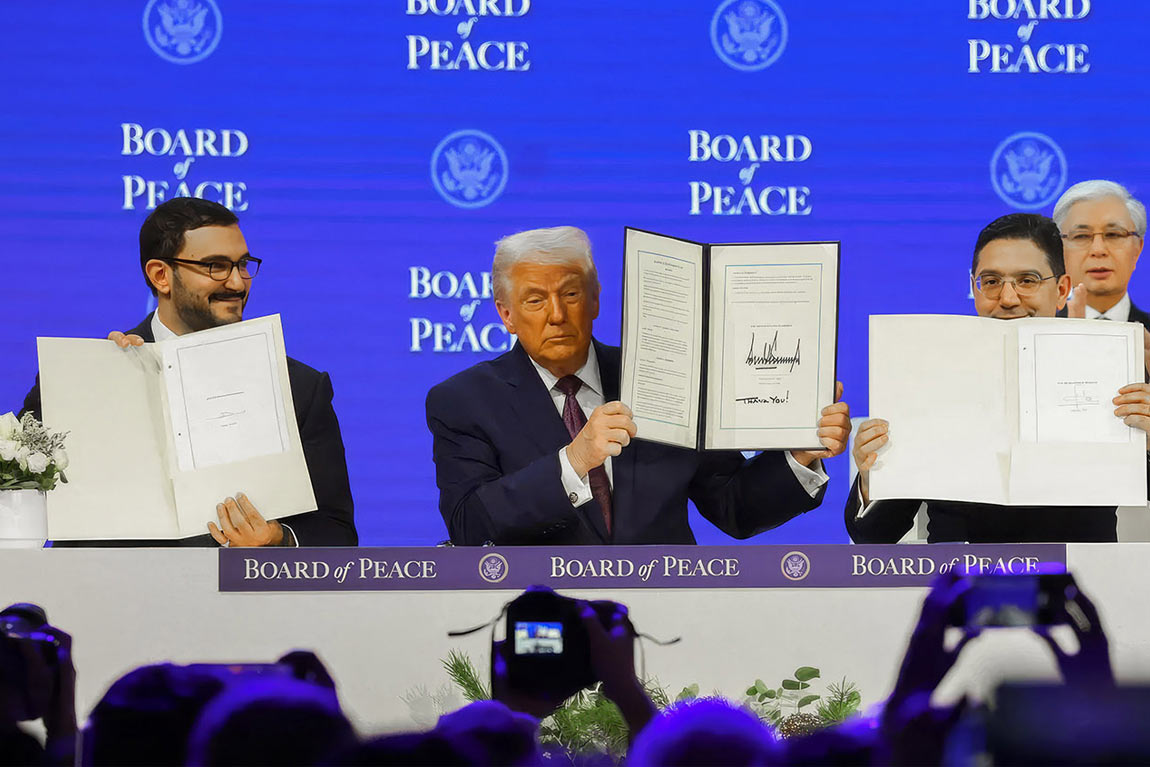
An interim deal aimed at ending the Iran war has collapsed. This diplomatic setback comes at a critical juncture, as military activities intensify across the region. The failure of the agreement marks a significant setback for diplomatic efforts to de-escalate the conflict, leaving little immediate hope for a peaceful resolution. This development comes amid intensifying U.S. Air campaigns and sustained Iranian military actions across the region, creating a challenging environment for any future peace initiatives. The collapse of the interim deal shows the deep-seated disagreements and mistrust between the warring parties, making a return to negotiations increasingly difficult. The inability to secure even a temporary cessation of hostilities has fueled concerns that the conflict could become more entrenched and widespread.
Broader Implications
Both Bahrain and Kuwait host U.S. Forces, adding a layer of complexity to the recent Iranian strikes on their territories. The presence of these forces contributes to the broader regional security dynamics as the U.S. Air campaign intensifies. The strikes against these nations, where American military personnel are stationed, could necessitate a re-evaluation of defense postures in the Persian Gulf. This situation also raises questions about the protection of international assets and personnel in the region. The escalating situation shows the interconnectedness of regional conflicts and the involvement of international actors, particularly the United States. The direct targeting of countries hosting U.S. Military personnel represents a significant challenge to regional security arrangements and could prompt a more strong response from Washington. The implications extend beyond immediate military actions, potentially impacting diplomatic relations and strategic alliances across the Middle East.