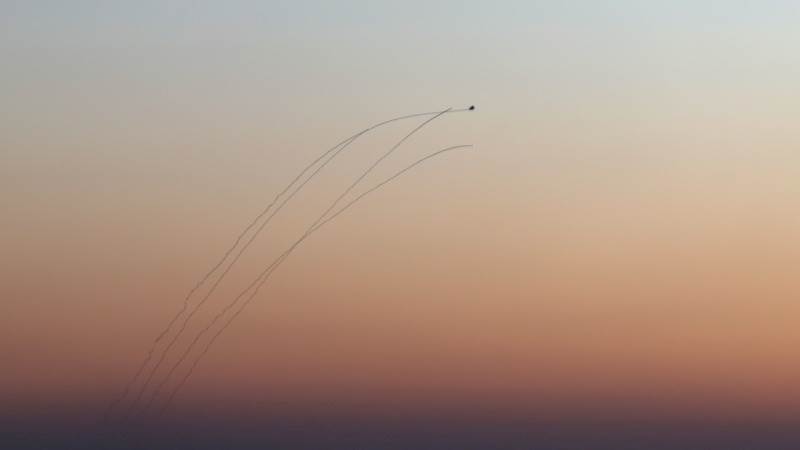
Tehran and Washington exchanged fire in the early hours of Saturday, marking a significant escalation of tensions in the region. US Central Command (CENTCOM) forces successfully intercepted multiple Iranian ballistic missiles and drones launched toward the Strait of Hormuz and Gulf neighbors. CENTCOM confirmed that three ballistic missiles and three one-way attack drones were among those intercepted during the early Saturday morning exchange. A statement from US Central Command noted that "US forces intercepted multiple Iranian ballistic missiles and drones launched by Iran toward the Strait of Hormuz and Gulf neighbors," adding that these "self-defense strikes" were successful as the projectiles "failed to hit their intended targets." Crucially, no casualties have been reported so far, according to CENTCOM, which explicitly rejected claims to the contrary circulating in some reports. This assertion from CENTCOM shows the effectiveness of the defensive measures taken.
Iranian Missile Barrage
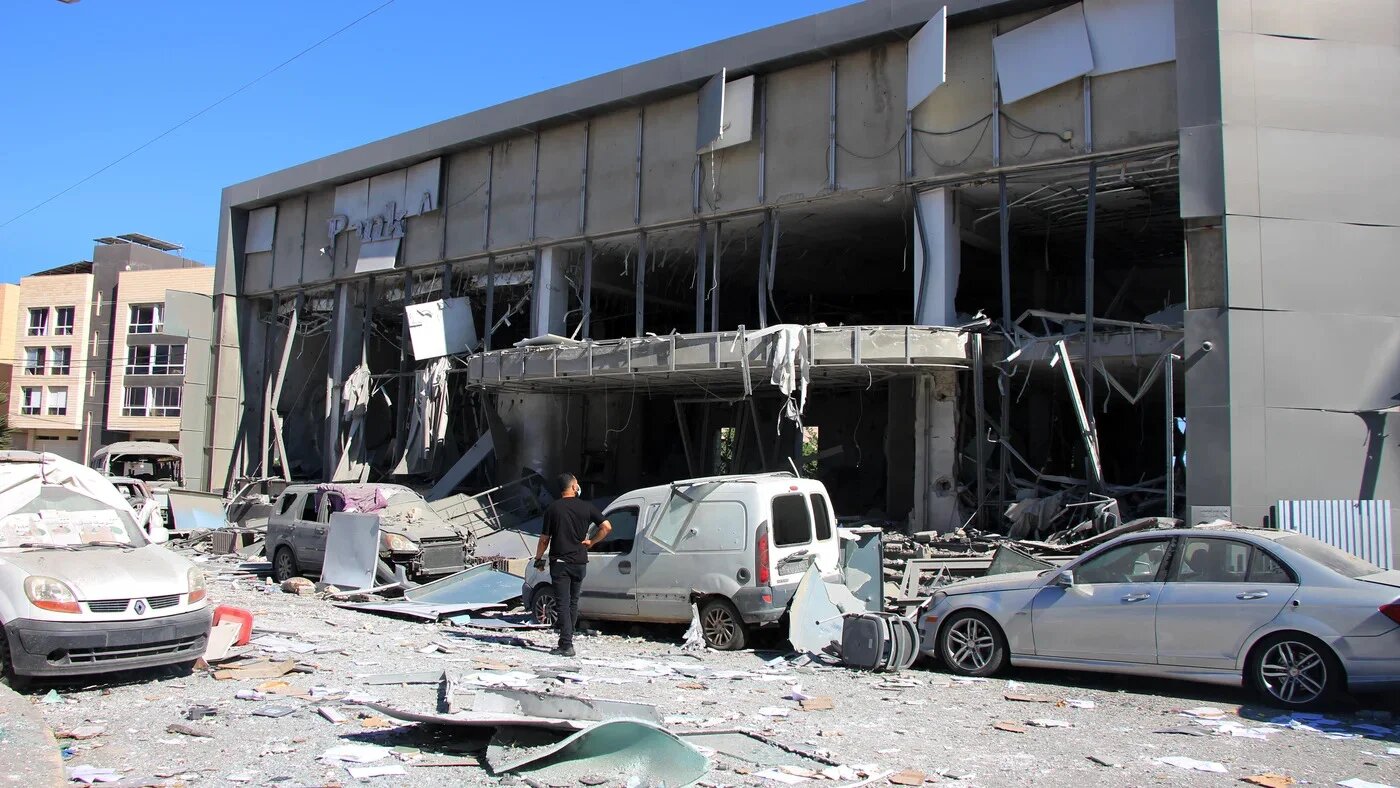
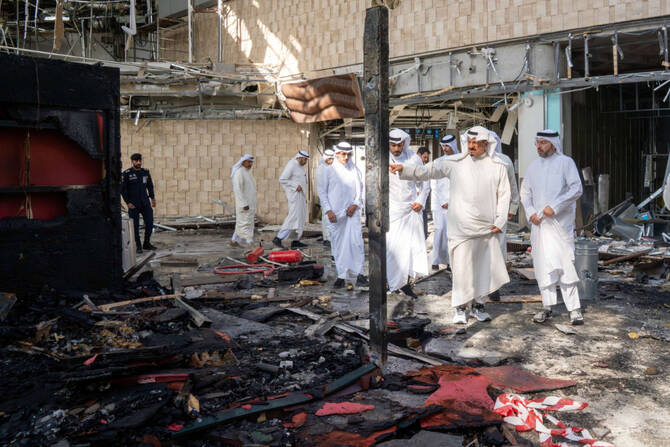
In the overnight hours, Tehran launched seven ballistic missiles toward Kuwait and Bahrain, with initial assessments indicating at least five missiles failed to hit their intended targets. Six of the missiles were intercepted by defensive systems, and a seventh did not reach its intended destination, according to reports from various sources. During the incident, both the Kuwaiti army and Bahrain’s interior ministry issued urgent warnings of incoming missile fire, advising residents to take precautions. Kuwait’s Ministry of Defense emphasized that the country’s air defense systems were “currently confronting hostile missile and drone attacks,” noting the immediate threat posed by the projectiles.
The Iranian Islamic Revolutionary Guard Corps (IRGC) claimed responsibility for the attacks, stating that its Aerospace Force targeted two American air bases in Kuwait, specifically Ali al-Salem, and important facilities belonging to the US Navy's Fifth Fleet in Bahrain with ballistic missiles. Iranian state media, echoing the IRGC's claims, broadcast reports that three missiles successfully struck “enemy bases” in Kuwait. However, US Central Command (CENTCOM) swiftly denied these claims, asserting that no damage was incurred to the Fifth Fleet's headquarters or any other US facility, stating unequivocally that the projectiles "failed to hit their intended targets."
Following an overnight Iranian attack on Kuwaiti territory, the Kuwaiti government took decisive diplomatic action. On Wednesday, Kuwait declared two members of the Iranian diplomatic mission in Kuwait persona non grata, ordering them to leave the country within 24 hours. This move signaled Kuwait's strong condemnation of the Iranian aggression. The renewed strikes came just one day after the Islamic Republic obliterated an American drone and ordered a separate drone strike on a US base in Kuwait, indicating a rapid and dangerous escalation of hostilities.
US Strikes on Qeshm Island
In response to the escalating Iranian aggression, US forces conducted their own strikes, targeting Iran’s Qeshm Island. These strikes specifically aimed at “coastal surveillance radar sites” and a military ground control station, according to an announcement made by CENTCOM on Tuesday night. Reports indicated that Qeshm Island is a key strategic location where the Iranian regime houses ballistic missiles, which are believed to be used in its continuing attacks against regional neighbors like Kuwait and Bahrain. Geographically, Qeshm Island also sits along the critical Strait of Hormuz, a vital international shipping lane for global oil supplies, making its military installations particularly sensitive.
Monday’s strikes, which preceded the Tuesday night action, also centered around Qeshm Island. The island has been described by intelligence analysts and military observers as the Iranian regime’s underground and heavily fortified “missile city,” suggesting a significant concentration of military assets and capabilities. The current series of firefights and military exchanges have escalated sharply since IRGC mine-laying activities spurred American strikes in the port city of Bandar Abbas just last week, further illustrating the rapidly deteriorating security situation in the Gulf.
IRGC's Justification and Warnings
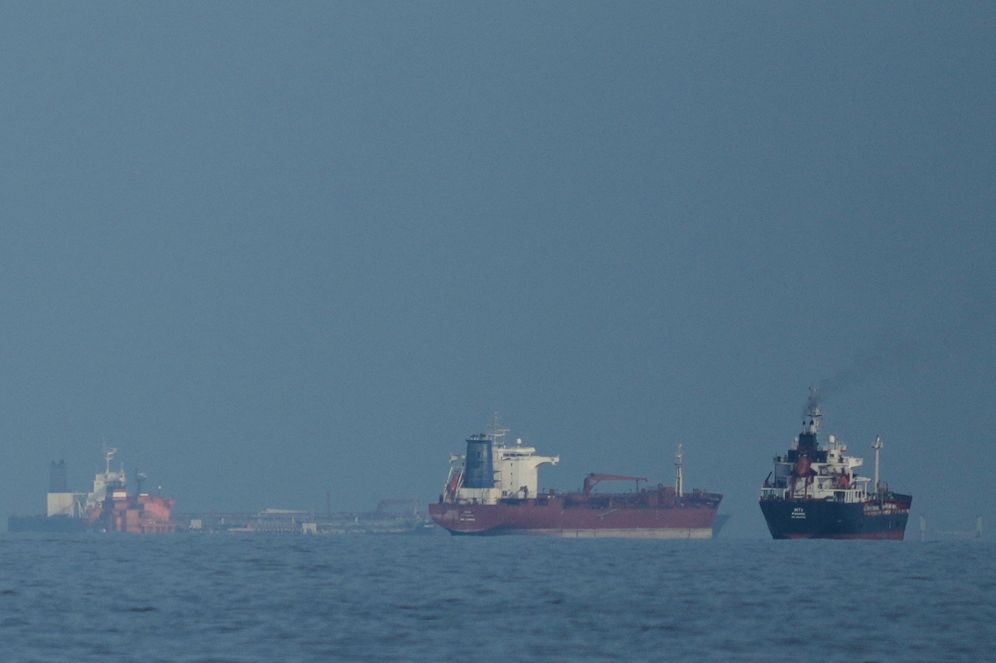
The Iranian Islamic Revolutionary Guard Corps (IRGC) provided its own narrative for the recent incident, stating that it began after four tankers, which it claimed were “incited and guided by the US aggressor army,” attempted to pass through the Strait of Hormuz “illegally” and without prior coordination. The IRGC issued a stark warning regarding future actions, stating that in the event of a recurrence of such alleged provocations, “a limited response will not suffice.” The statement further added that the other party, presumably the United States and its allies, would be “responsible for the consequences of the complete closure of the Strait of Hormuz to the exit of oil and gas,” a threat with significant global economic implications.
The Islamic Revolutionary Guard Corps (IRGC) painted its attacks on Kuwait as a direct response to what it termed US forces’ “brazen and blatant aggression” in their strikes on Qeshm Island. This framing suggests a tit-for-tat escalation, with each side justifying its actions as a response to the other. The US military, however, condemned the “unwarranted Iranian aggression during the ongoing ceasefire,” noting that Iran's actions were perceived as unprovoked and a violation of any existing de-escalation efforts. The IRGC further escalated its rhetoric by warning that Tuesday’s strikes were merely an “initial response,” indicating potential for further, more significant military action in the coming days or weeks.