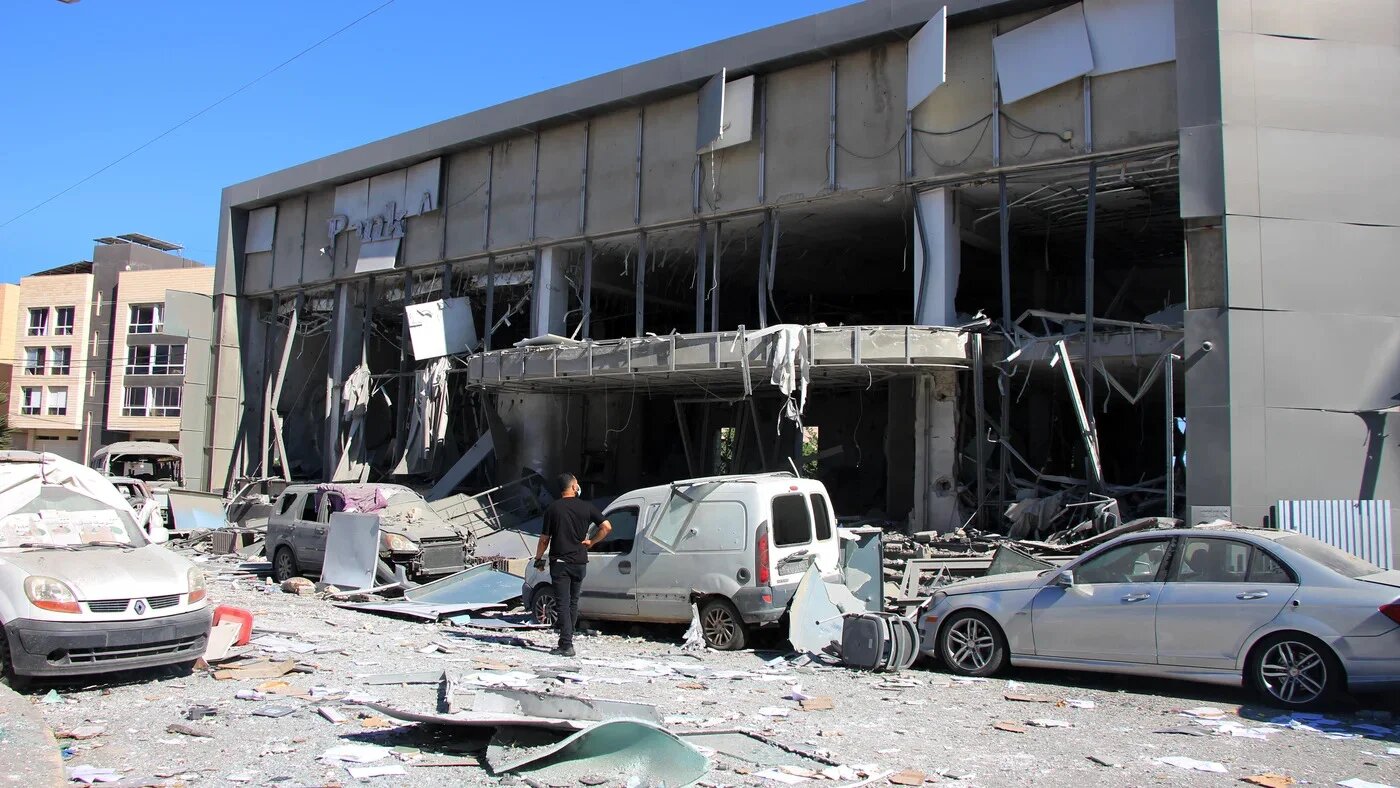
The Islamic Revolutionary Guard Corps (IRGC) reported that US drones struck communications facilities on Qeshm Island and in Sirik with two projectiles, prompting a retaliatory response targeting US military installations. The IRGC stated it attacked Ali Al Salem Air Base in Kuwait and the headquarters of the US Fifth Fleet in Bahrain. According to reports, Iran launched a short-range ballistic missile towards Ali Al Salem Air Base in Kuwait over the past 24 hours, which Kuwaiti air defense systems intercepted. The missile used in this incident was identified as an Iranian Fateh-110, a solid-fuel missile capable of carrying a high-explosive warhead weighing approximately 500 kilograms. During the incidents, one MQ-9 Reaper drone was completely destroyed by falling debris, while a second MQ-9 Reaper drone sustained severe structural and electronic damage. Each MQ-9 Reaper platform has an estimated procurement value of $30 million.
Iran's Claims and Warnings
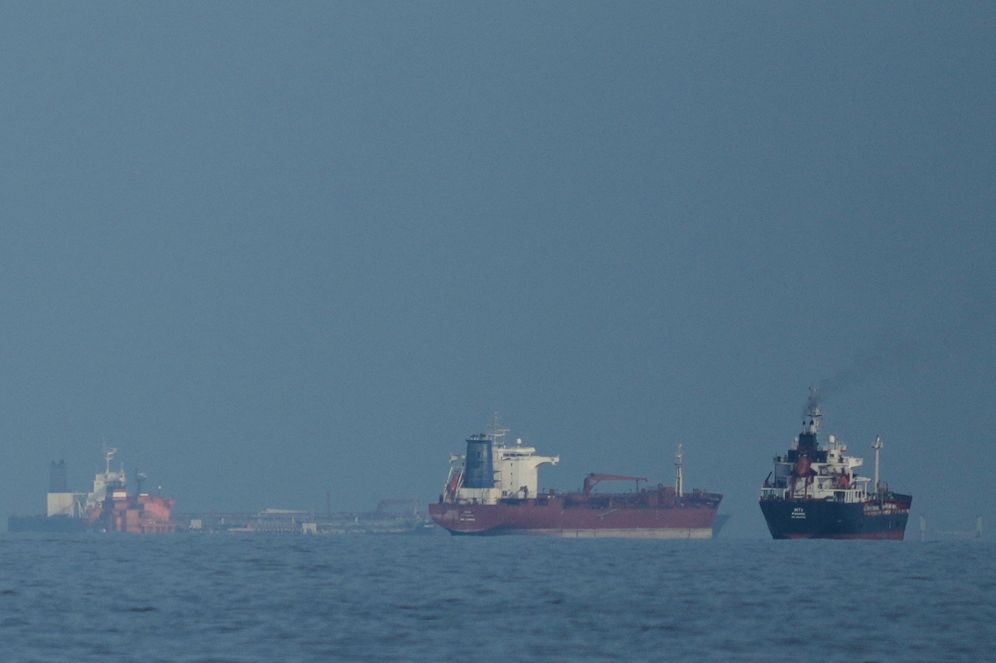
The Islamic Revolutionary Guard Corps (IRGC) warned that any future hostile actions would trigger a stronger response, asserting that the United States would bear responsibility for the consequences of any disruption to oil and gas exports through the Strait of Hormuz. The IRGC statement further reported that four oil tankers attempted to leave the Strait of Hormuz illegally at the instigation of the US military. One vessel was reportedly targeted after ignoring warnings, while the others turned back. Iran's actions follow a period of heightened activity, with over 1,850 ballistic missiles estimated to have been fired by Iranian forces at regional targets since late February. This substantial number of projectiles shows the ongoing tensions in the region.
US Response and Damage Assessment
US officials have previously denied Iranian claims regarding damage to the Fifth Fleet headquarters, stating that Iranian missile and drone attacks were either intercepted or failed to reach their intended targets. US officials specifically noted that Iranian missile and drone attacks were intercepted or failed to reach their intended targets, contradicting the IRGC's assertions of successful strikes. The missile used in one incident was identified as an Iranian Fateh-110, according to reports. The Fateh-110 is a solid-fuel missile designed to carry a high-explosive warhead weighing approximately 500 kilograms. While US systems intercepted the incoming threats, material damage from the interception is estimated at approximately $60 million. Each MQ-9 Reaper platform has an estimated procurement value of $30 million. The destruction of one MQ-9 Reaper drone and severe damage to another further highlight the material costs incurred during these confrontations.
Broader Regional Context
The recent IRGC strike directly threatens a strategic memorandum of understanding unveiled by US President Donald Trump 24 hours prior. This pending agreement mandates a temporary 60-day prolongation of a regional ceasefire, which was originally established on April 7. The conflict with Iran began on February 28, triggering a global energy crisis after Iran blocked a vital waterway responsible for approximately 20% of global oil shipments. The proposed treaty requires Iran to clear its naval mine networks within 30 days, in exchange for the US lifting its mid-April naval blockade on Iranian ports. The agreement also includes a joint US-Chinese heavy engineering mission aimed at neutralizing enriched radioactive stockpiles. The Pentagon had previously issued a warning at the Shangri-La Dialogue in Singapore regarding strategic reserves and readiness for global strikes should diplomacy fail. Mr. Trump's plan to await electronic verification of the peace proposal's sign-off by Iran's Supreme Leader, Mojtaba Khamenei, is now under duress, as these latest incidents complicate the fragile diplomatic efforts.