Kuwaiti air defenses responded to hostile missile and drone attacks early Saturday, June 6, 2026, as Bahrain issued an air raid alert urging residents to seek shelter. The warnings followed reports of incoming threats and Kuwait's initial announcement of the aerial assault. Specifically, Kuwaiti air defenses were actively engaged in responding to these hostile missile and drone attacks that commenced in the early hours of Saturday morning. Iran subsequently launched seven ballistic missiles toward Kuwait and Bahrain, according to CENTCOM. The US military command did not immediately provide further details on the origins or specific targets of the attacks, which occurred amid escalating regional tensions and raised concerns about broader stability in the Persian Gulf.
Fresh Strikes Erupt Over Gulf
Explosions heard across Kuwait resulted from interception operations by air defense systems, indicating the effectiveness of the defensive measures deployed. These audible detonations showed the intensity of the aerial engagement. US Central Command (CENTCOM) confirmed that American forces intercepted multiple Iranian ballistic missiles and drones launched toward the Strait of Hormuz and the Gulf. This interception effort was a critical response to the incoming threats. Six of the seven Iranian ballistic missiles were successfully intercepted, preventing them from reaching their intended targets, with one ballistic missile reportedly failing to reach its designated area, further reducing the potential impact of the assault.
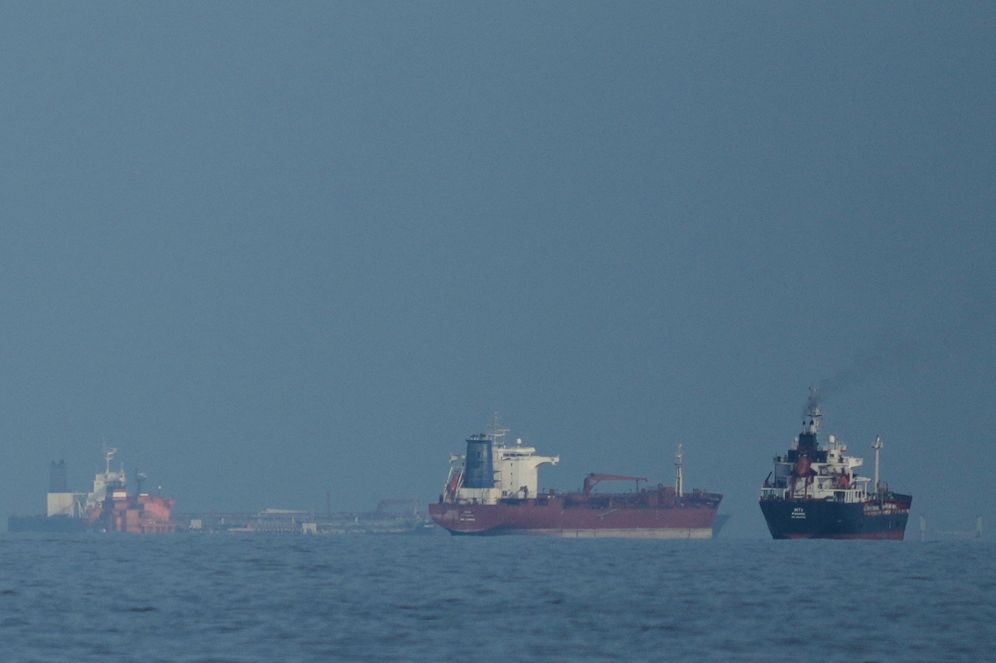
In addition to the ballistic missile interceptions, US forces also shot down four Iranian one-way attack drones that were headed toward the Strait of Hormuz, a vital international shipping lane. These drones posed a direct threat to maritime security and regional assets. In response to these aggressive actions by Iran, US forces conducted strikes against Iranian coastal surveillance radar sites. These strategic targets were located in Goruk and on Qeshm Island, according to CENTCOM. The US military's actions, including both defensive interceptions and retaliatory strikes, come amidst heightened tensions in the region, reflecting a strong posture against perceived threats to US personnel and allied nations. The precision of these counter-strikes aimed to degrade Iran's capabilities for future surveillance and potential attacks.
Previous Attacks and Iran's Claims
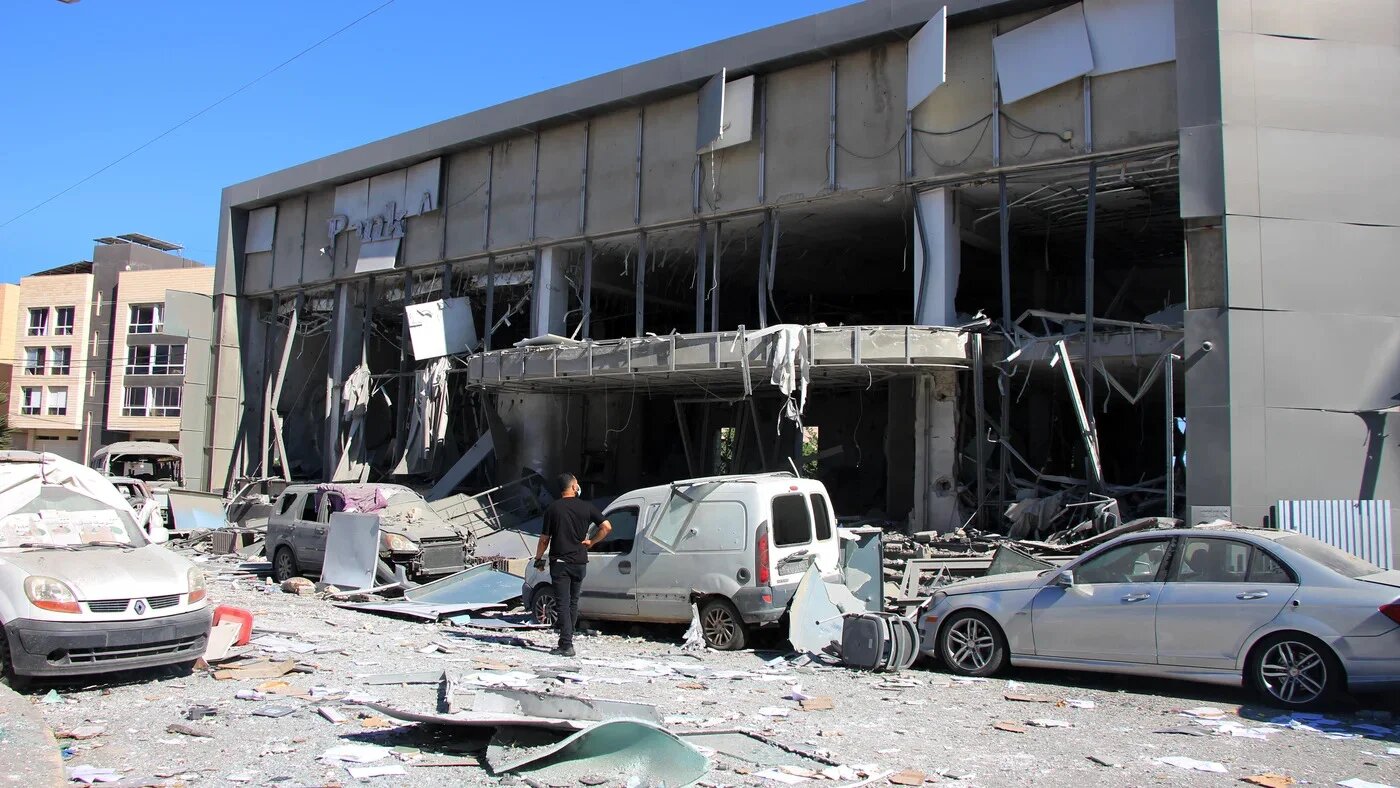
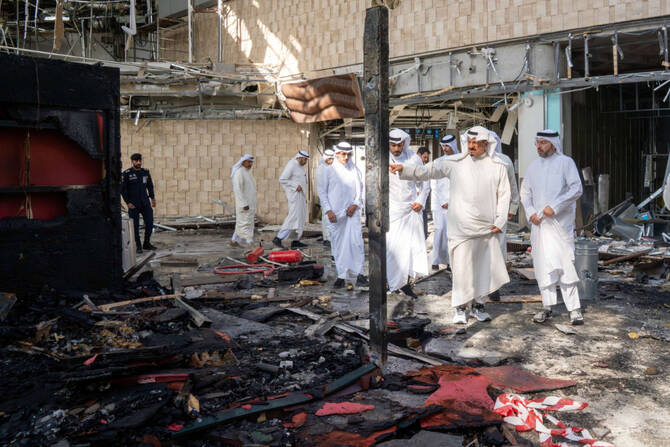
A drone strike on Kuwait International Airport on June 3, 2026, resulted in one fatality, wounded dozens of individuals, and caused significant damage to a passenger terminal. This incident, occurring just days prior, noted the increasing frequency and severity of aerial assaults in the area. The incident adds to a series of recent attacks in the region, contributing to a volatile security environment. Iran claimed responsibility for a set of coordinated attacks that occurred earlier in the week, specifically targeting US military assets located in both Kuwait and Bahrain. These claims by Iran indicate an escalating pattern of engagement in the Gulf region, openly asserting its involvement in actions against US interests and regional stability. The repeated nature of these attacks, coupled with Iran's explicit claims of responsibility, signals a deliberate and assertive stance in the ongoing regional power dynamics.
Regional Condemnation Mounts
Saudi Arabia strongly denounced the repeated Iranian attacks against Kuwait and Bahrain. The Saudi condemnation followed recent missile and drone assaults in the Gulf region, emphasizing the kingdom's concern over the destabilizing actions. The Gulf Cooperation Council (GCC) subsequently issued a statement, calling the strikes an unacceptable escalation. According to the GCC, these actions constitute a direct threat to both regional and international peace and stability, urging for an immediate cessation of hostilities to prevent further destabilization. The organization, comprising several key Gulf nations, emphasized the importance of upholding international law and ensuring the security of member states, particularly in the face of such flagrant violations. The GCC's unified stance showed the gravity with which regional powers viewed Iran's aggressive posture.
The United Arab Emirates (UAE), Qatar, Egypt, Jordan, and Lebanon also joined in condemning the attacks. Each nation expressed profound concerns over the escalating tensions and the potential for broader regional conflict, noting a shared apprehension about the trajectory of events. Their condemnations noted a widespread regional apprehension regarding the stability of maritime routes and the safety of civilian populations following the incidents. These nations, representing a diverse cross-section of the Middle East, called for restraint and de-escalation from all parties involved. The collective response from these nations showed a unified call for de-escalation and diplomatic resolution in the face of ongoing military actions, stressing the urgent need to prevent a wider conflagration that could have severe consequences for the entire region and beyond.