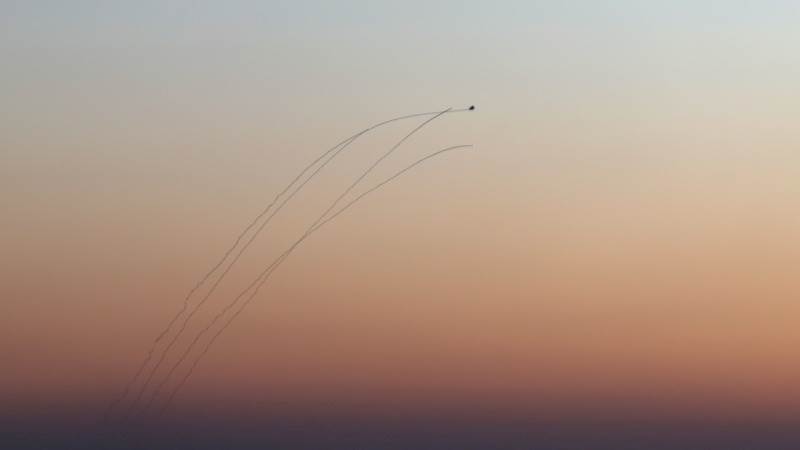
Iran launched ballistic missiles and drones toward Bahrain and Kuwait on Friday, which U.S. Forces intercepted, according to Bahrain's government and the U.S. Military. Bahrain's government confirmed on Saturday that Iran had fired ballistic missiles and drones in its direction and towards Kuwait. This confirmation from Bahrain's government on Saturday showed the severity of the incident, specifying that the projectiles were directed at both its territory and that of its neighbor, Kuwait. The U.S. Military reported shooting down Iranian ballistic missiles and drones that had been launched toward the Strait of Hormuz and Gulf Arab allies on Friday. U.S. Forces intercepted six of the missiles, while a seventh reportedly failed to reach its target, with no harm to U.S. Personnel. Specifically, U.S. Forces successfully intercepted six of the incoming ballistic missiles, while a seventh projectile did not reach its intended target, ensuring no reports of harm to U.S. Personnel or assets. There were no reports of harm to U.S. Personnel from the incident.
Kuwait’s military confirmed its forces were intercepting missiles and drones attacking the country. This statement from Kuwait’s military indicated an active defense posture against the incoming threats, with its forces engaged in intercepting the projectiles. In response to the incoming threats, Bahrain activated air raid sirens and instructed residents to move to the nearest safe location and follow official instructions. The activation of air raid sirens across Bahrain signaled an immediate and urgent public safety response to the perceived danger. Bahrain's foreign ministry later stated that the launched projectiles had been intercepted. The ministry also reported that the interception of the projectiles was successful, ensuring the safety of the nation. Bahrain's foreign ministry's subsequent announcement provided reassurance, confirming that the interception efforts had been effective in neutralizing the threat.
Kuwait's Response and U.S. Action
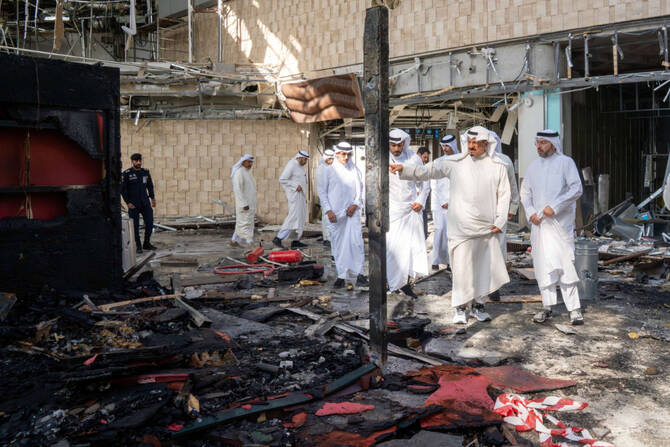
Kuwait's foreign ministry characterized the attacks as a "serious escalation" and a "flagrant violation of its sovereignty," also stating that the nation reserves the right to defend itself. This strong condemnation from Kuwait's foreign ministry noted the gravity with which the nation viewed the Iranian actions, asserting its sovereign right to self-defense. Kuwait's foreign ministry further emphasized that the country reserves the right to take all necessary measures to defend its territory and its people against such aggressions. U.S. Central Command indicated on social media that the attack drones presented an immediate threat to regional maritime traffic, adding that U.S. Forces had acted "to defend against further attacks." U.S. Central Command explicitly stated on social media, “The attack drones posed an immediate threat to regional maritime traffic.” This statement showed the urgency of the U.S. Military's response, emphasizing the potential danger to commercial and military vessels navigating key waterways. Iran's Revolutionary Guard announced that its targets included the Ali Al Salem airbase in Kuwait, which hosts U.S. Forces, and the U.S. Navy's 5th Fleet in Bahrain. The Revolutionary Guard's declaration noted the specific military installations it claimed to be targeting in the Gulf region, signaling an intent to strike at key U.S. Military assets. Earlier this week, Iranian drones significantly damaged a passenger terminal at Kuwait's main airport, resulting in one fatality and dozens of injuries. This prior incident involving Iranian drones caused extensive damage and led to the death of one individual, in addition to injuring dozens of others at a major civilian infrastructure site, showing a pattern of aggressive actions. Bahrain's foreign ministry called upon Iran to immediately cease its attacks on its Gulf neighbors. The ministry's plea stressed the importance of de-escalation and respect for regional stability, urging an end to the provocative actions.
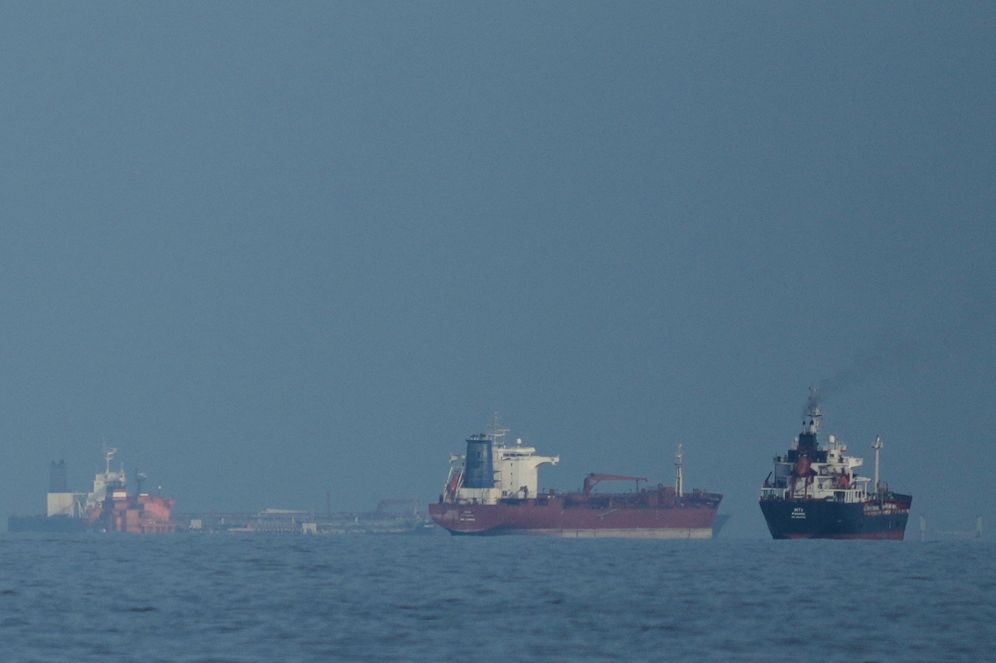
The U.S. Military is enforcing a blockade on Iranian ports. This blockade is part of broader efforts to exert pressure on Iran, aiming to disrupt its maritime trade and economic activities. U.S. Central Command stated that it struck radar sites, including an island in the Strait of Hormuz, “to defend against further attacks.” A spokesperson for U.S. Central Command indicated that the attack drones presented an immediate threat to regional maritime traffic. These strikes were described as preemptive measures aimed at neutralizing potential future threats, specifically targeting infrastructure used for surveillance and guidance of hostile projectiles. The U.S. Military's actions in the Strait of Hormuz were a direct response to the perceived dangers posed by the drone attacks, seeking to degrade Iran's ability to conduct similar operations. The spokesperson reiterated the immediate and significant risk that the attack drones posed to commercial shipping and other vessels navigating the vital maritime route, noting the U.S. Commitment to safeguarding international commerce. These defensive actions show the U.S. Commitment to ensuring the security of international waterways and protecting its regional allies. The U.S. Central Command's statement on social media, specifying the immediate threat posed by attack drones to regional maritime traffic, further clarified the rationale behind these defensive operations.
Regional Tensions and Related Incidents
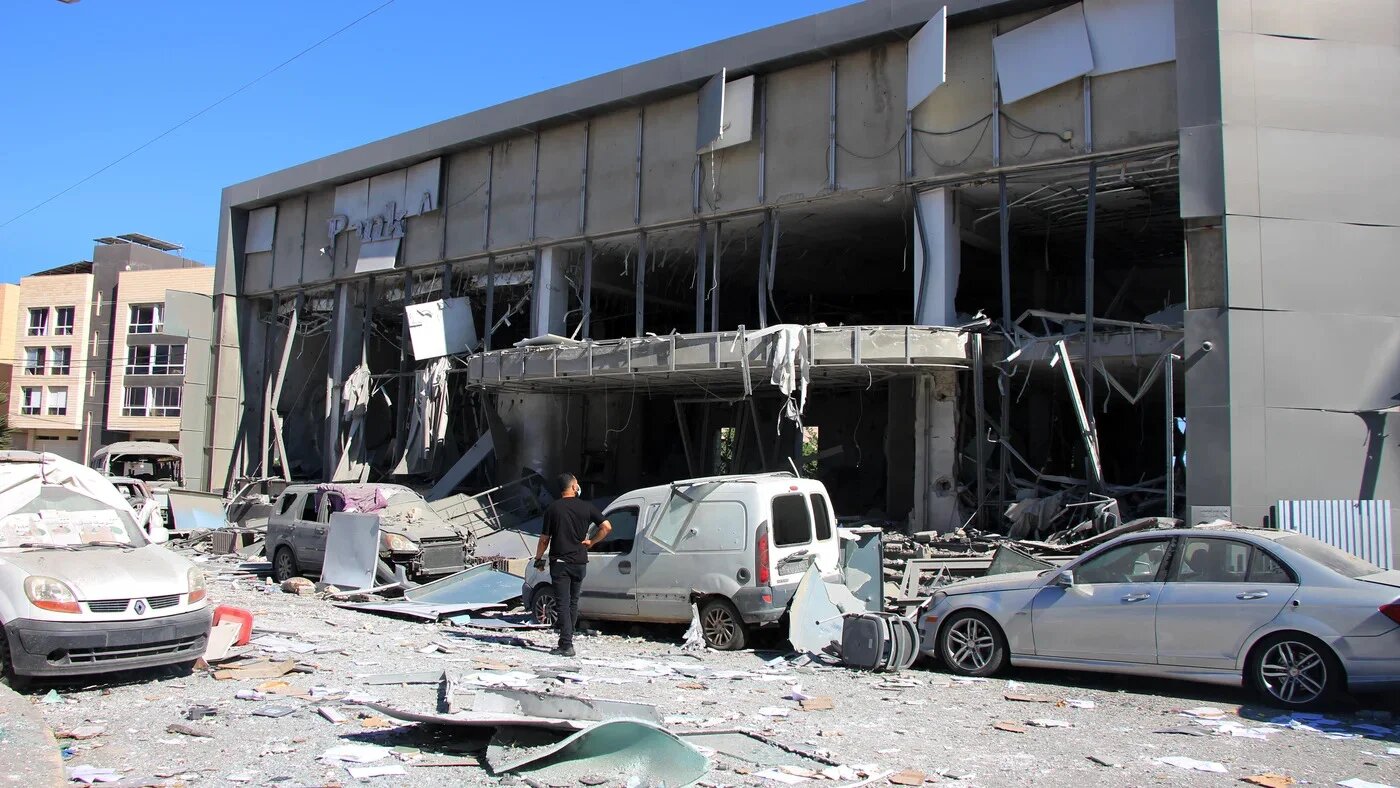
Separately, the Israeli military on Friday struck multiple locations in southern Lebanon and issued evacuation warnings for nine villages in the area. These strikes by the Israeli military indicate ongoing tensions along its northern border, reflecting a volatile security situation. Reports indicated that nine people were killed in southern Lebanon on Friday. The fatalities show the severity of the cross-border engagements, revealing the human cost of the ongoing conflict. The Israeli military confirmed that two of its soldiers were wounded, one severely, during an encounter with militants in southern Lebanon on the same day. This encounter notes the direct confrontations occurring between Israeli forces and militant groups, leading to casualties on both sides.
Earlier on Friday, U.S. Military forces boarded a sanctioned oil tanker linked to Iran in the Indian Ocean. This operation by U.S. Forces was part of a broader strategy to disrupt illicit Iranian oil shipments, aiming to curtail a key source of revenue for the Iranian government. The United States also targeted Iran’s energy sector by imposing new sanctions on a group of individuals, firms, and tankers. These sanctions aim to further restrict Iran's ability to fund its activities through oil revenues, increasing economic pressure on the nation. In response to the missile and drone launches, the U.S. Military struck some of the Islamic Republic’s coastal surveillance radar sites, according to reports. These strikes against radar sites were described as direct retaliatory actions following the Iranian missile and drone attacks, intended to degrade Iran's ability to monitor and direct future aggressions. The targeting of these surveillance capabilities aims to degrade Iran's ability to monitor and direct future attacks in the region, thereby enhancing regional security. The U.S. Military's proactive measures reflect a commitment to deterring further aggression and protecting its interests and allies in the Gulf.
Diplomatic Context and Future Outlook
A week ago, U.S. And Iranian negotiators had reached a tentative agreement to extend a ceasefire by 60 days and initiate a new round of discussions concerning Iran’s nuclear program. This agreement offered a glimmer of hope for de-escalation and diplomatic progress, suggesting a potential pathway to resolving complex issues. The tentative nature of the agreement, however, suggested that underlying tensions remained unresolved, indicating the fragility of any diplomatic breakthrough. The planned extension of the ceasefire was intended to provide a window for further dialogue on the complex issue of Iran's nuclear ambitions, allowing for sustained negotiations. The prospect of fresh negotiations indicated a desire from both sides to find a peaceful resolution, despite the ongoing hostilities and recent escalations.
Separately, Israeli airstrikes in southern Lebanon on Saturday resulted in the deaths of nine people, among them three members of the Lebanese military. This incident further complicated the already volatile regional security landscape, drawing attention to the broader implications of cross-border conflicts. The Israeli military stated it is reviewing the incident. This review process is expected to provide more details surrounding the circumstances of the strike, aiming to clarify the chain of events and responsibilities. An official statement from the Israeli military indicated that its operations are directed against Hezbollah, not against the Lebanese army. This clarification aimed to delineate the targets of its military actions and avoid broader conflict with the Lebanese state, emphasizing a targeted approach against specific militant groups. The Israeli military's assertion seeks to justify its actions by focusing on specific militant groups, attempting to manage international perceptions of its operations. These ongoing military engagements in southern Lebanon show the persistent instability in the broader Middle East, illustrating the interconnectedness of regional conflicts. The casualties, including members of the Lebanese military, highlight the risks of regional conflicts escalating beyond intended targets, leading to unintended consequences and further destabilization. The Israeli military's internal review and public statements are part of efforts to manage the diplomatic fallout from such incidents, while navigating a complex geopolitical environment. The complex interplay of various actors and their military operations continues to shape the fragile security environment of the region, making long-term stability a challenging endeavor.