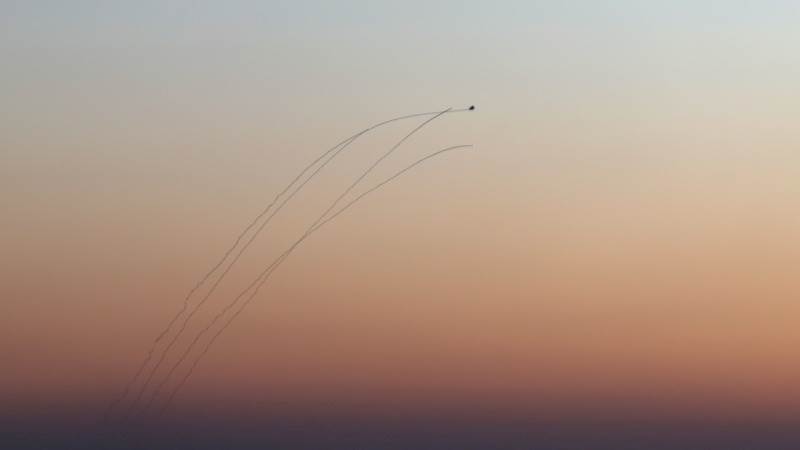
Air alarms were activated in Bahrain early on Saturday morning, local time, amidst reports of Iranian drone and missile attacks in the region. The activations prompted immediate alerts across the island nation, signaling a significant security event. Specific details regarding the nature or origin of the reported attacks were not immediately available from Bahraini authorities, leaving residents and observers awaiting further clarification. The incident unfolded as regional tensions remain elevated, showing the volatile security landscape of the Gulf. Further information is expected as investigations proceed into the reported airborne threats.
Regional Alerts and Defense Actions
Sirens also sounded in Kuwait during the early hours of Saturday, indicating a broader regional response to potential aerial incursions. Authorities in Kuwait confirmed that their air defenses were actively engaged in repelling drone and missile attacks, taking immediate action to safeguard national airspace. Media reports indicated that missile launches from Iran were recorded as part of the regional activity, suggesting a potential source for the widespread alerts. These defense actions occurred amid heightened tensions in the broader Middle East, particularly concerning maritime and aerial security. Kuwaiti officials did not immediately provide further details on the specific targets or scale of the attacks their air defenses were countering, emphasizing the ongoing nature of the defensive operations. The synchronized alerts across multiple Gulf nations pointed to a coordinated defensive posture in response to the reported airborne threats, noting the interconnected security concerns in the region. The activation of air defenses in both Bahrain and Kuwait showed the perceived seriousness of the situation.
Escalating Tensions
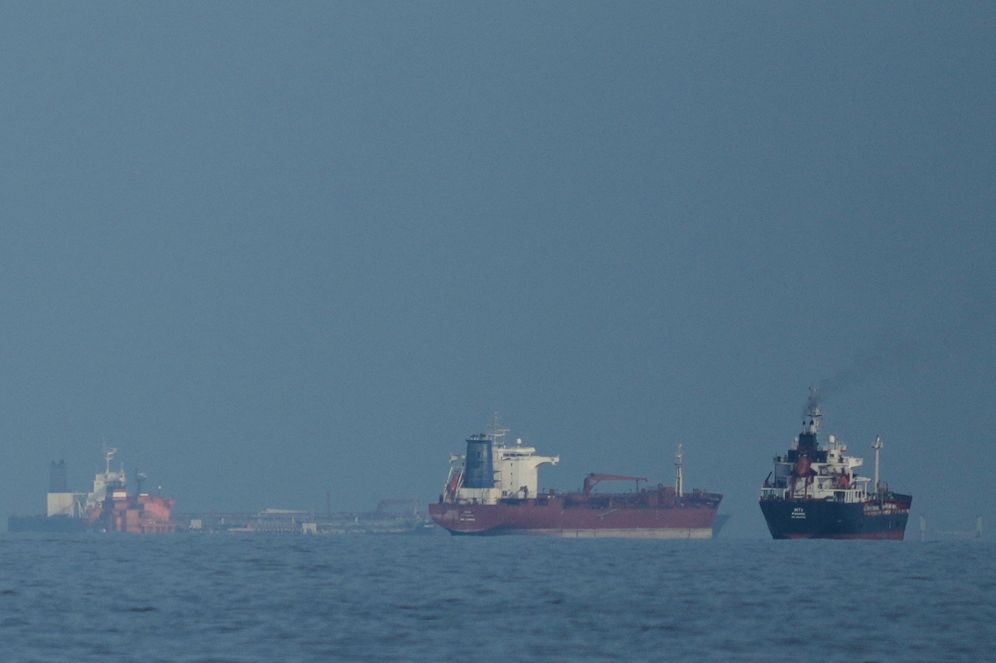
The United States and Iran appeared to engage in a fresh round of hostilities near the Strait of Hormuz earlier this week, adding another layer of complexity to the already strained regional security environment. This incident further complicates a security environment in the Gulf region, where maritime movements and air space are closely monitored by international forces and regional powers alike. Tensions between Washington and Tehran have been a recurring feature of regional geopolitics, often centered on issues of nuclear programs, sanctions, and military exercises, contributing to a persistent state of alert. The Strait of Hormuz, a critical choke point for global oil shipments, has historically been a flashpoint for previous confrontations and continues to be a sensitive area. These recent developments contribute to the heightened alert status observed across multiple Gulf nations, including Bahrain and Kuwait, which activated air alarms and engaged defense systems in response to reported drone and missile attacks. The broader context includes ongoing geopolitical rivalries and concerns over regional stability, making any military activity in the area a cause for immediate concern and defensive action.
Official Statements and Public Response
Bahrain's Ministry of Interior issued a public advisory early Saturday morning, urging citizens to take immediate shelter as a precautionary measure. The directive was disseminated as air alarms sounded across the island nation following reports of drone and missile attacks originating from Iran, necessitating swift public safety guidance. Authorities did not specify the exact nature of the perceived threat or the areas most affected by the alert, but the general instruction to seek shelter was clear. The ministry's guidance showed the seriousness with which officials were treating the incoming reports, prioritizing citizen safety above all else. Public response across social media platforms indicated widespread adherence to the safety protocols, with residents confirming they were seeking refuge as instructed, demonstrating community compliance during the emergency. The advisory marked a significant official reaction to the unfolding regional events, requiring citizens to take protective measures during the period of heightened alert and uncertainty. The coordinated response from authorities reflected the gravity of the situation as reports of missile launches from Iran circulated.