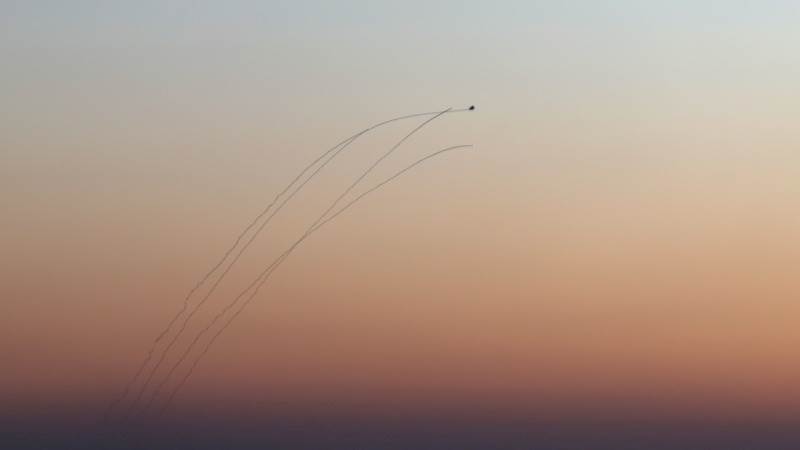
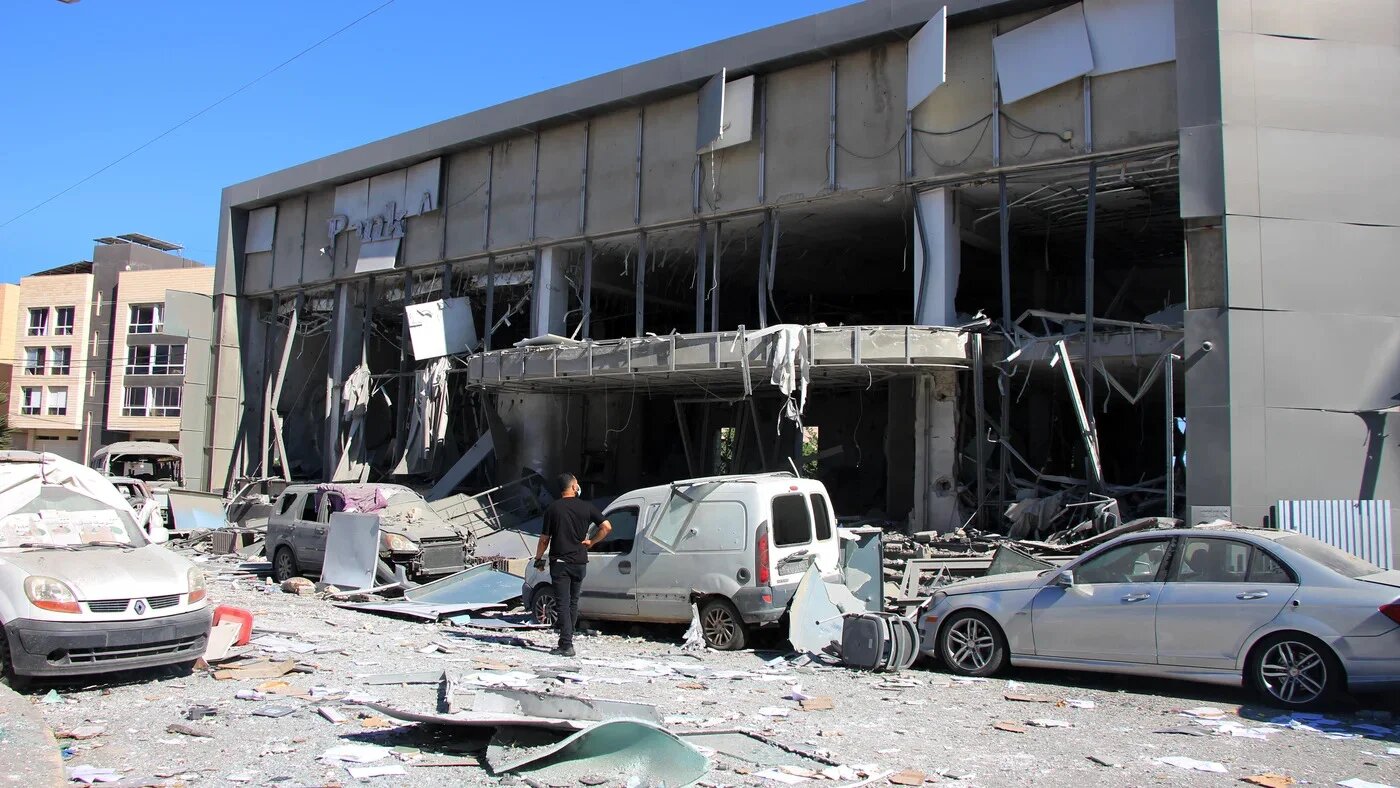
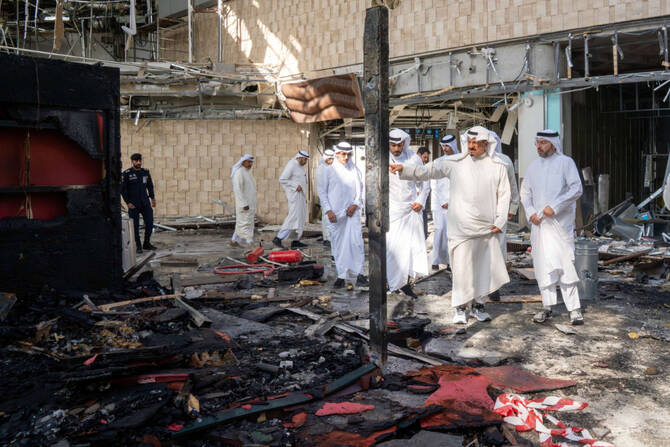
Iran's Islamic Revolutionary Guard Corps (IRGC) announced it launched missile strikes against the U.S. Ali Al Salem Air Base in Kuwait and facilities associated with the U.S. Fifth Fleet in Bahrain. Iranian state media broadcast that three missiles struck "enemy bases" in Kuwait. US Central Command (CENTCOM) confirmed the strikes Tuesday night, describing them as "self-defense strikes." CENTCOM stated that the missiles "failed to hit their intended targets," although the full extent of any damage or casualties remains unclear. The IRGC's actions mark a significant escalation in regional tensions, drawing a swift condemnation from the United States.
Iran's Stated Justification
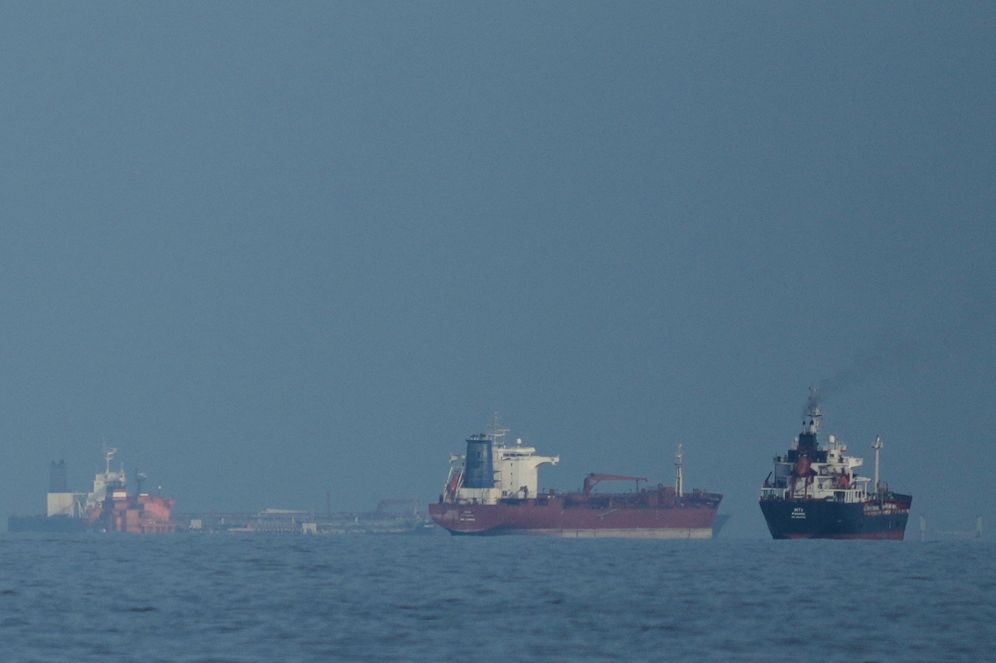
The Islamic Revolutionary Guard Corps (IRGC) stated its attacks on Kuwait were a response to US forces’ “brazen and blatant aggression” in strikes on Qeshm Island. The IRGC also claimed these strikes followed American attacks on telecommunications infrastructure in southern Iran. This claim provided a specific context for their retaliatory actions. Hours after initial events, the IRGC further stated that U.S. Drones struck two telecommunications towers in Qeshm Island and Sirik. These alleged drone strikes were presented by the IRGC as direct provocations. US forces reportedly launched "self-defense strikes" on a military ground control station on Qeshm Island, a key location also featured in Monday's strikes. According to an IRGC statement, four oil tankers described as 'violators' attempted to leave the Strait of Hormuz without authorization and in defiance of warnings. After repeated warnings, one tanker was reportedly targeted and forced to stop, while the other three turned back. The IRGC statement claimed the vessels were acting under the direction and support of the U.S. Military, further fueling their justification for the missile launches. The IRGC warned that Tuesday’s strikes were merely an “initial response,” indicating a potential for further escalation if deemed necessary by Tehran.
US Response and Interceptions
American forces downed several Iranian missiles and drones in tandem with "self-defense strikes" on Qeshm Island, demonstrating their defensive capabilities. Additionally, US forces shot down three one-way attack drones that Iranian forces fired toward civilian mariners, noting a concern for maritime safety in the region. Tehran launched at least five missiles towards neighboring Gulf countries; two fell short or splintered mid-air, while US and Bahrain air defense forces intercepted three, preventing them from reaching their intended targets. The day before these missile strikes, reports indicated the Islamic Republic obliterated an American drone and ordered a drone strike on a US base in Kuwait, signaling a pattern of escalating actions. Additionally, according to reports, Islamic Revolutionary Guard Corps mine-laying spurred American strikes in Bandar Abbas last week, showing a history of recent provocations. The US military condemned the actions, stating they constituted "unwarranted Iranian aggression during the ongoing ceasefire," emphasizing their view that Iran was violating a period of de-escalation. US Central Command described American actions as "self-defense strikes," maintaining that their responses were defensive in nature.
Geopolitical Context and Warnings
Qeshm Island is a key location where the Iranian regime houses ballistic missiles used in its continuing attacks against Kuwait and Bahrain, according to claims. The island itself is strategically situated along the critical Strait of Hormuz, a vital maritime chokepoint for global oil shipments. The Islamic Revolutionary Guard Corps (IRGC) cautioned that continued escalation could have severe consequences for energy shipments through the Strait of Hormuz, linking regional stability directly to global energy markets. The IRGC further stated that responsibility for any resulting disruption to these critical shipments would rest squarely with the opposing side, placing the onus on the United States and its allies. Additionally, the IRGC warned that any further actions by the United States would prompt a stronger response from Iran, reinforcing their readiness for continued confrontation. These statements show the potential for broader regional impact stemming from the current tensions, with implications extending beyond military engagements to economic stability.