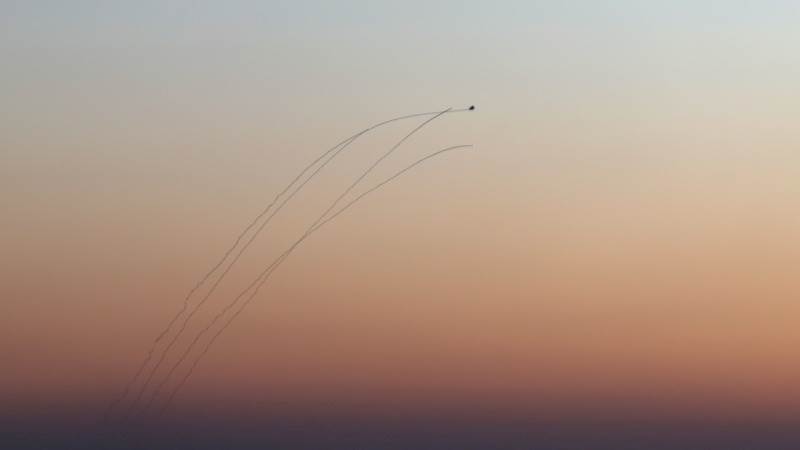
Iran's Revolutionary Guard Corps (IRGC) announced on Saturday, June 6, 2026, that it had struck "enemy bases" in the Gulf region, claiming these actions followed a United States attack on an Iranian radar site. The IRGC explicitly stated that its strikes were a direct response to the United States attacking Iran's radar site. Tehran specifically claimed it attacked the 5th fleet headquarters in Bahrain and Ali Al-Salem Air Base in Kuwait. A US military official reported that Iran launched ballistic missiles toward the neighbouring Gulf nations of Kuwait and Bahrain. This report from the US official indicated that the missiles were indeed directed towards these two countries, corroborating, in part, the Iranian claims regarding their targets.
US Central Command (CENTCOM) stated it intercepted six of the seven missiles Iran launched, adding that the seventh missile did not reach its intended target. CENTCOM further reported, "There are currently no reports of harm to US personnel, and Iranian claims of damaging US 5th fleet headquarters in Bahrain are false." According to CENTCOM, there are currently no reports of harm to US personnel, showing the command's assessment of the limited impact of the Iranian missile barrage. CENTCOM's statement directly refuted the Iranian claims of successful strikes on the 5th fleet headquarters in Bahrain, classifying them as false.
IRGC Details Missile Barrage
State broadcaster IRIB reported the Islamic Revolutionary Guard Corps (IRGC) stated that "Following the invasion of the child-killing and terrorist US army into Sirik and Qeshm Island, enemy bases in the region were hit by aerial missiles." This declaration from the IRGC linked their missile strikes to prior actions by the United States, specifically framing them as a retaliatory measure. Iran had reported that the U.S. Specifically targeted a telecommunications tower located on Qeshm Island. The IRGC's statement, as reported by IRIB, further elaborated on the alleged U.S. Aggression, citing an "invasion" into Sirik and Qeshm Island as the direct provocation for their missile response. Iranian officials further accused the United States of new ceasefire violations, pointing to an attack on an oil tanker as evidence. This accusation noted a perceived pattern of aggressive behavior from the U.S. That, according to Iranian authorities, necessitated a response.
Iran's Foreign Ministry condemned the U.S. Attack on the tanker Lexie. The ministry's condemnation reflected the official stance of the Iranian government regarding the incident, labeling it as an act of aggression. CENTCOM had reported that the Lexie was sailing towards Kharg Island and reportedly ignored U.S. Warnings for 24 hours before U.S. Forces launched a Hellfire guided missile at its engine room, which disabled the vessel. This account from CENTCOM provided a different perspective on the maritime incident, suggesting the U.S. Action was taken after the vessel failed to comply with warnings. CENTCOM, however, issued a response regarding the IRGC's claims of missile strikes. The command stated that reports of successful strikes on the 5th fleet headquarters in Bahrain and a U.S. Airbase in Kuwait were false. This statement countered the Iranian narrative regarding the effectiveness of their missile barrage against American assets in the Gulf region, directly challenging the IRGC's assertions of damage.
Regional Alerts and Interceptions
Kuwaiti air defences were responding to "hostile missile and drone threats," according to reports from the region. The activation of these defenses indicated a serious and immediate threat to Kuwaiti airspace and territory. At the same time, Bahrain activated its siren system, advising citizens and residents to seek immediate shelter in the nearest safe location. The sounding of sirens in Bahrain showed the urgent nature of the perceived threat and the measures taken to protect its population. The United States separately claimed to have successfully intercepted multiple drones that were attempting to target U.S. Forces stationed in Kuwait. This interception noted the multi-faceted nature of the aerial threats, involving both missiles and unmanned aerial vehicles, and the defensive capabilities employed by U.S. Forces.
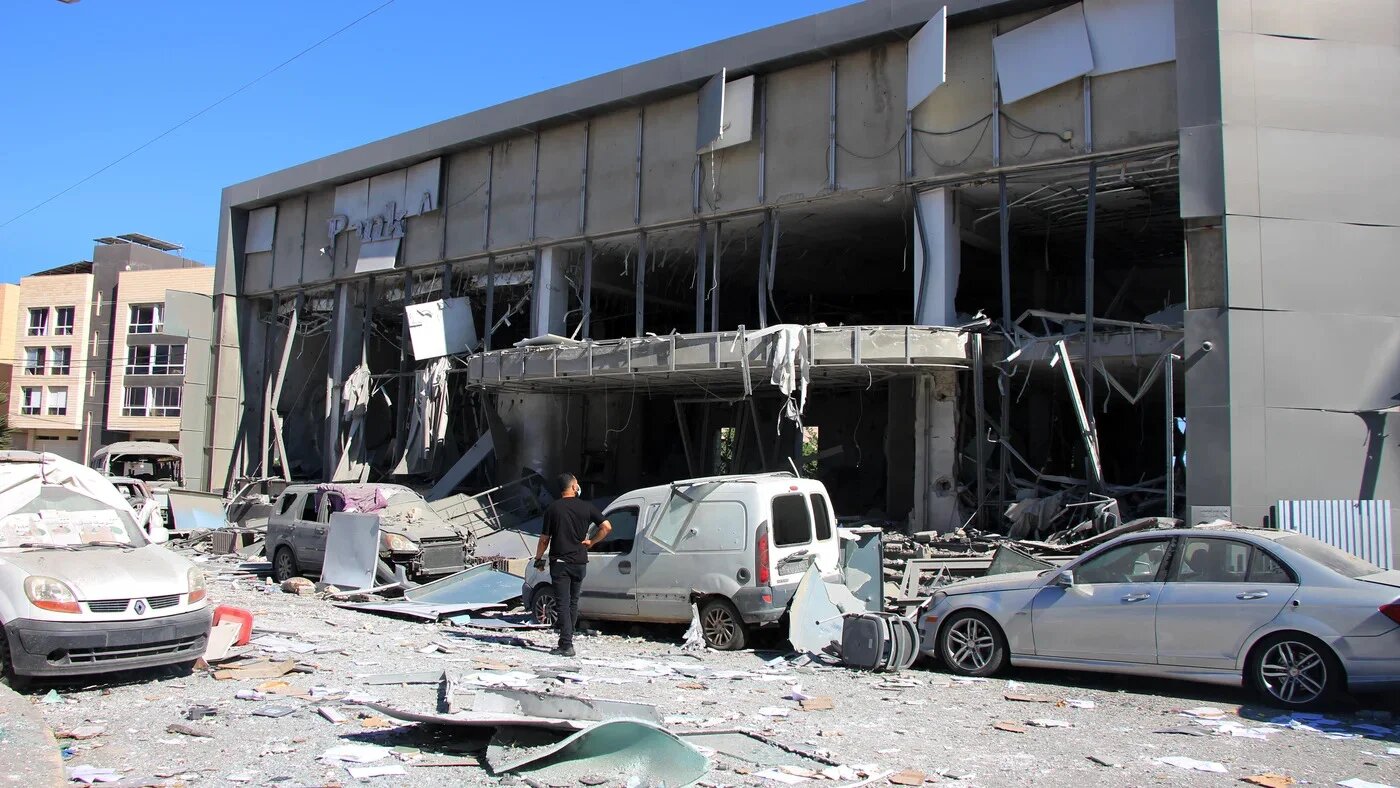
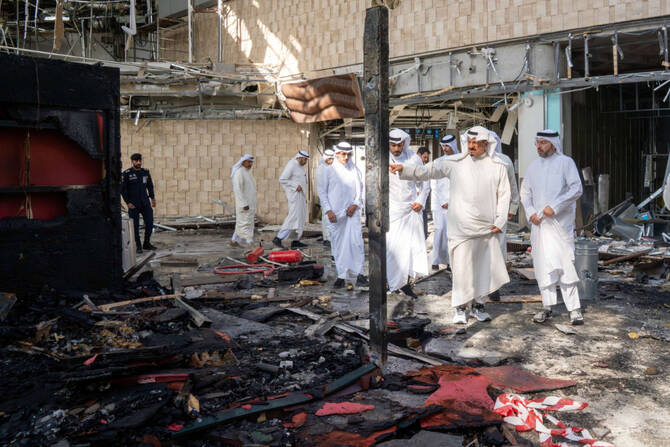
Kuwait's Foreign Ministry reported that incidents within Kuwait resulted in one fatality and several injuries. While the ministry did not provide specific details on the nature of these incidents, it confirmed the casualties, indicating that the attacks had tangible and tragic consequences on the ground. Further impacts were observed at Kuwait International Airport, where Terminal 1 sustained damage and was subsequently closed. The closure of Terminal 1 at a major international airport signified considerable disruption to civilian infrastructure and travel. The airport closure affected operations, though the extent of the disruption was not immediately clear, suggesting ongoing assessments of the damage and its operational implications.
Maritime Targets and Blockade
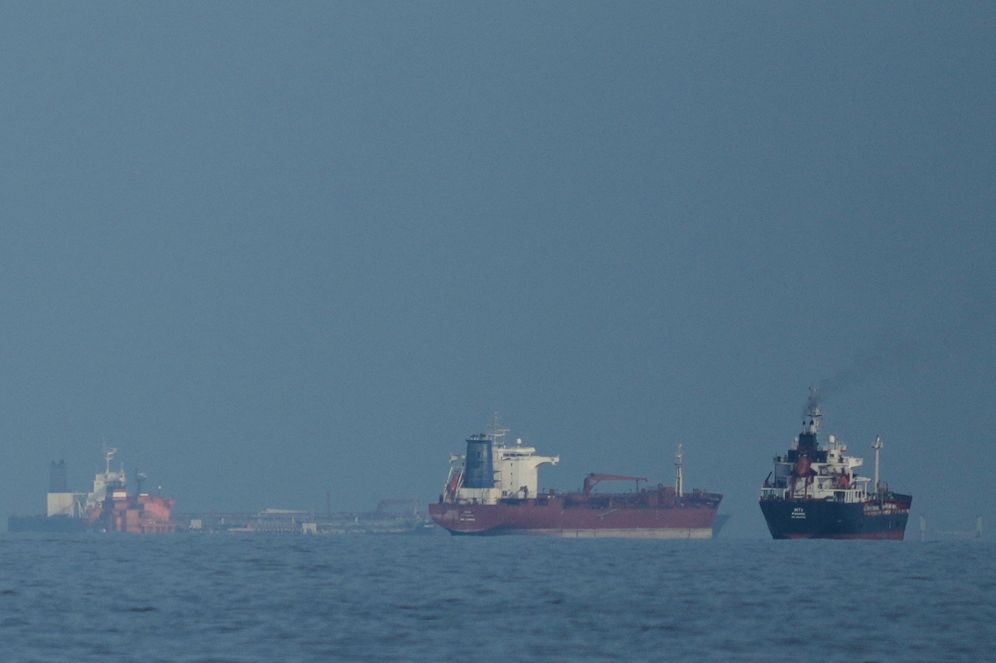
The Islamic Revolutionary Guard Corps (IRGC) claimed multiple retaliations, including targeting the containerships MSC Panaya and MSC Sariska V overnight. These maritime attacks represented an expansion of the IRGC's retaliatory actions beyond military bases to commercial shipping. Reports indicated the IRGC fired missiles at the MSC Panaya, while the MSC Sariska V was struck by two projectiles. The use of missiles against the MSC Panaya and multiple projectiles against the MSC Sariska V demonstrated the IRGC's intent to inflict damage on commercial vessels. The MSC Panaya operates for MSC Mediterranean Shipping Company (MSC) on a Gulf shuttle service, indicating its role in regional trade. According to reports, the MSC Panaya's Automatic Identification System (AIS) signal showed the vessel had been docked in Bahrain since June 1, providing a timeline for its location prior to the alleged attack. The MSC Panaya, built in 2000, is registered in Liberia and has a capacity of 1,730 TEU, providing specific details about the vessel targeted. A second projectile reportedly impacted the crew area of the MSC Sariska V, raising serious concerns about the safety of seafarers and the potential for crew casualties.
MSC released a statement addressing the attacks. The company said, "MSC is deeply concerned by these unprovoked attacks and the risk they create for its innocent seafarers, and essential maritime trade in the region. This retaliatory action is completely unjustified based on the allegations made by the IRGC since MSC is a neutral commercial carrier with no affiliation to the United States or Israel." The statement from MSC showed the company's neutrality and its concern for the safety of its personnel and the continuity of global trade. The company's assertion of being a "neutral commercial carrier" aimed to distance itself from the geopolitical conflict, noting the impact of such attacks on non-combatant entities.
Regarding the maritime situation, CENTCOM reports indicated the blockade remains in force. This confirmation from CENTCOM reiterated the ongoing enforcement of maritime restrictions in the region. United States forces have redirected 125 vessels and disabled six to ensure compliance with the blockade. The statistics provided by CENTCOM illustrate the significant operational efforts undertaken to maintain the blockade and control maritime traffic in the area. The redirection and disabling of vessels by U.S. Forces demonstrate the strict enforcement measures in place to uphold the blockade.