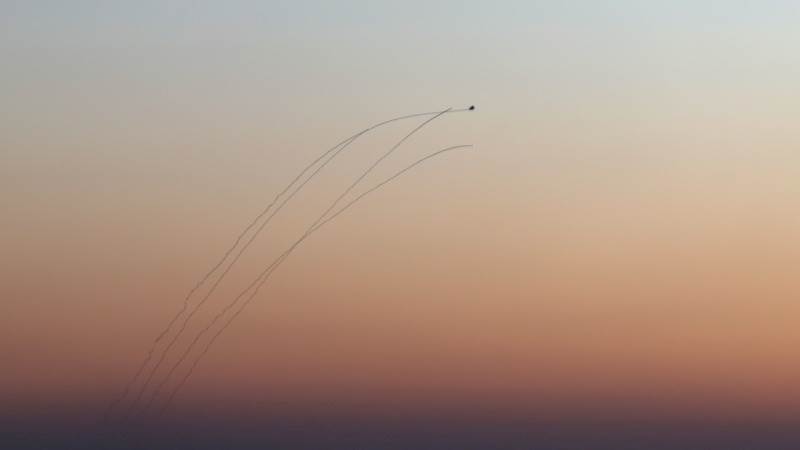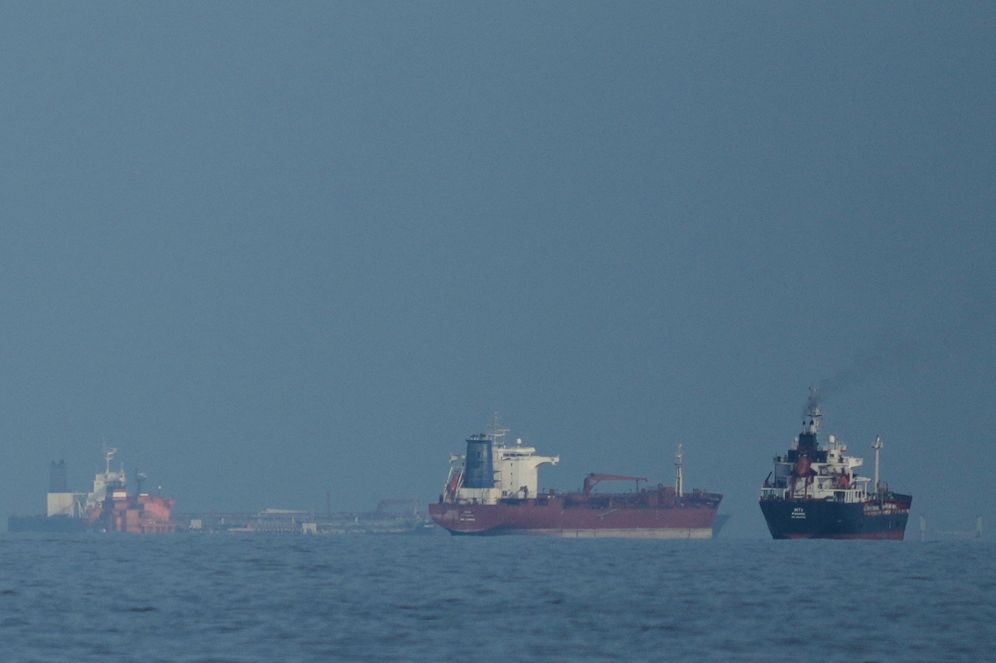
Iran launched a barrage of ballistic missiles and drones towards Bahrain and Kuwait early Saturday, prompting immediate interception by Gulf Arab allies and US forces. The US military confirmed it shot down these projectiles, which were targeting Gulf Arab allies and the strategic Strait of Hormuz. Bahrain and Kuwait reported destroying a total of seven missiles and several drones originating from Iran. Specifically, Bahrain's air defense systems neutralized three missiles and multiple drones. US Central Command (CENTCOM) further confirmed that six missiles were successfully intercepted, while a seventh failed to reach its intended target, which included Gulf allies and the strategic Strait of Hormuz.
The incident marks the second such attack against Bahrain and Kuwait in three days. This latest aerial assault follows an earlier incident where Iranian drones heavily damaged a passenger terminal at Kuwait’s main airport, resulting in one fatality and dozens of injuries. Bahrain described the Iranian actions as a "serious escalation" and called on Tehran to immediately cease attacks on its Gulf neighbors.
Iran's Retaliation and Targets
Iran's Revolutionary Guards stated they targeted "enemy bases" following US forces striking radar sites in Iran and downing drones en route to the Strait of Hormuz. The Gulf states have experienced intermittent attacks since February 28, which marked the beginning of a conflict involving US and Israeli strikes against Iran's leadership. Iran's foreign ministry reported that US forces attacked surveillance facilities on Qeshm Island and near Sirik early Saturday. Tehran described the US action as a violation of the fragile ceasefire that had been in place. The US military confirmed that it struck some of the Islamic Republic's coastal surveillance radar sites in response to Iranian activity. Additionally, the US military maintained its blockade on Iranian ports, contributing to ongoing tensions in the region.
The Revolutionary Guards' statement emphasized that their operations were a direct response to what they termed "aggressive American actions" against Iranian sovereignty and regional stability. They asserted that the targeted "enemy bases" were involved in facilitating or supporting the recent US military operations. This claim shows the tit-for-tat nature of the escalating conflict, where each side perceives its actions as retaliatory. The specific nature of these "enemy bases" was not detailed, but the context suggested they were related to intelligence gathering or operational support for US forces in the region.
The US military's confirmation of striking coastal surveillance radar sites provided a clearer picture of the immediate trigger for the Iranian missile and drone barrage. These radar sites, located on Qeshm Island and near Sirik, are key for Iran's monitoring of maritime traffic, including the strategic Strait of Hormuz, a vital chokepoint for global oil shipments. The destruction or damage to these facilities represents a significant blow to Iran's surveillance capabilities in a highly sensitive area. The US military justified these strikes as necessary defensive measures in response to what it characterized as hostile Iranian activity, specifically the launch of drones towards the Strait of Hormuz. This exchange notes the precarious balance of power and the constant risk of miscalculation in the Gulf.
The ongoing blockade on Iranian ports by the US military has been a persistent source of friction, contributing to the broader economic and political pressures on Tehran. This blockade, implemented as part of a wider strategy to curb Iran's nuclear program and regional influence, has severely impacted Iran's ability to conduct international trade, particularly its oil exports. Iranian officials have repeatedly condemned the blockade as an act of economic warfare and a violation of international law. The combination of military strikes and economic sanctions has fueled a sense of grievance within Iran, which often cites these pressures as justification for its own military responses and its pursuit of a more strong defense posture.
Impact on Gulf Nations
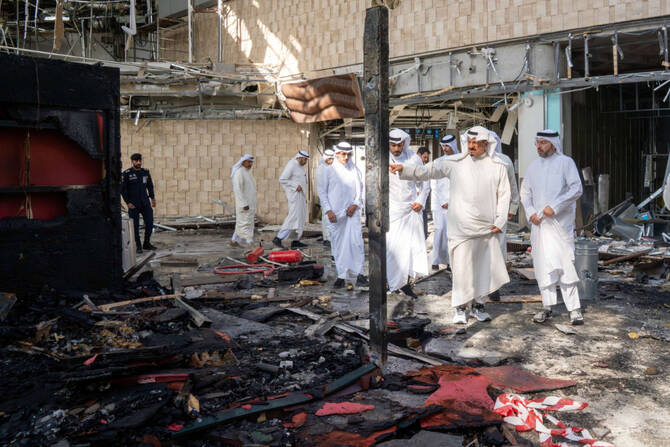
Falling shrapnel from intercepted projectiles caused material damage in Kuwait, though no casualties were reported. Kuwait's air defenses have intercepted a total of 379 ballistic missiles, 15 cruise missiles, and 869 Unmanned Aerial Vehicles (UAVs) since the beginning of what the country described as "heinous Iranian aggression." These figures highlight the persistent and varied nature of the aerial threats Kuwait has faced. The sophisticated array of intercepted munitions—ranging from ballistic and cruise missiles to numerous drones—shows the advanced capabilities of both the attacking forces and Kuwait's defensive systems, often augmented by allied support.
Three unusual incidents occurred in Kuwait due to the interceptions, including two small fires caused by falling shrapnel and one site that was secured for safety reasons. These incidents, while not resulting in casualties, demonstrate the tangible risks posed by aerial confrontations, even when successful interceptions occur. The small fires, quickly contained, illustrate the destructive potential of even fragments from downed projectiles, capable of igniting flammable materials on the ground. The securing of a site for safety reasons suggests the presence of unexploded ordnance or debris requiring careful handling, further disrupting normal activities.
Bahrain's government stated that the Iranian missiles and drones targeting its territory were successfully intercepted before reaching their intended impact zones. This successful defense prevented potential damage and casualties within Bahraini territory, showcasing the effectiveness of their air defense systems and coordination with allied forces. The Bahraini Ministry of Interior issued public advisories during the attacks, urging residents to remain calm and follow safety protocols, reinforcing the seriousness of the threat.
Meanwhile, Kuwait's aviation authority announced the resumption of air traffic after a temporary closure had been implemented. During this period, 11 flights from Kuwait Airways and Jazeera Airways were diverted as a precautionary measure. The temporary closure of airspace is a standard safety procedure during missile or drone attacks, designed to protect civilian aircraft from potential harm. The diversion of multiple commercial flights, including those from the national carrier Kuwait Airways and the regional operator Jazeera Airways, caused significant logistical disruptions and delays for travelers. The swift resumption of air traffic, however, signaled a return to normalcy and confidence in the security measures put in place.
Diplomatic Fallout and Ceasefire
A ceasefire had been in effect since April 8, aiming to de-escalate tensions in the region. U.S. And Iranian negotiators had reached a tentative agreement just a week prior to extend this ceasefire by 60 days. The proposed extension also included plans to initiate new talks concerning Iran’s nuclear program, signaling an attempt at broader diplomatic engagement despite ongoing hostilities. However, the recent aerial attacks by Iran and the subsequent U.S. Military strikes have placed this fragile diplomatic effort under renewed strain. Throughout these latest developments, the U.S. Military reported that there were no instances of harm to U.S. Personnel.
The ceasefire, which had brought a period of relative calm, was a testament to persistent diplomatic efforts to prevent a wider regional conflict. Its initiation on April 8 had been hailed by international observers as a key step towards de-escalation, providing a much-needed window for dialogue. The tentative agreement reached a week ago to extend the ceasefire by 60 days further showed the commitment of both the U.S. And Iran to find a diplomatic off-ramp. This extension was not merely about halting hostilities; it was envisioned as a precursor to more substantive discussions. The inclusion of plans to initiate new talks concerning Iran’s nuclear program indicated a desire to address the root causes of regional instability, moving beyond immediate military confrontations to tackle long-standing strategic disagreements.
The U.S. Military's confirmation of no harm to U.S. Personnel during the recent exchanges provided a measure of relief amidst the escalating tensions. This detail is often closely watched, as casualties among American forces could significantly alter the political calculus and potentially lead to a more forceful response from Washington. The absence of such casualties, while not diminishing the gravity of the attacks, may have contributed to a more measured reaction, allowing diplomatic channels to remain open, albeit under immense pressure.
Regional Tensions and Incidents
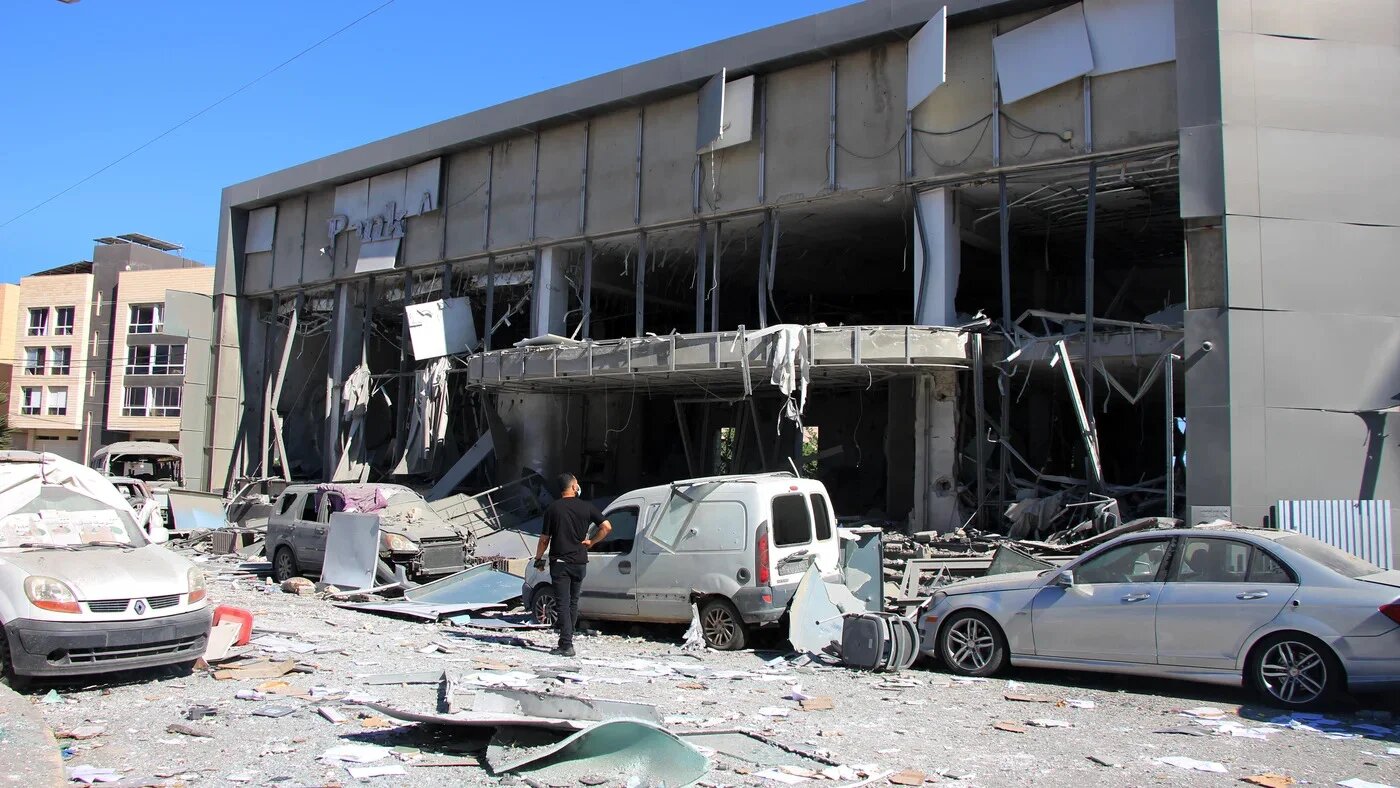
The broader regional context remains highly volatile, with multiple flashpoints contributing to an atmosphere of instability. While the focus has been on the direct exchanges between Iran, its proxies, and US/Gulf allies, other significant incidents continue to unfold in parallel. Israeli airstrikes in southern Lebanon on Saturday resulted in nine fatalities, including three members of the Lebanese military. The Lebanese army and state media reported these Israeli airstrikes, condemning them as a violation of Lebanese sovereignty and an act of aggression.
Israel's military stated it was reviewing the incident and emphasized that its operations are directed against Hezbollah, not the Lebanese army. This statement reflects the complex and often blurred lines of engagement in southern Lebanon, where Hezbollah maintains a significant presence and operates alongside, or in proximity to, official Lebanese armed forces. The Israeli military typically targets Hezbollah infrastructure, rocket launchers, and operatives in response to perceived threats from Lebanese territory, particularly following cross-border rocket fire or drone incursions. The fatalities among Lebanese soldiers, however, add another layer of complexity to the conflict, raising questions about rules of engagement and the potential for unintended escalation involving state actors.
The Lebanese government has consistently called for international intervention to halt Israeli violations of its airspace and territory, viewing such strikes as destabilizing to an already fragile nation. The incident in southern Lebanon notes the interconnected nature of conflicts across the Middle East, where actions in one theater can quickly reverberate and exacerbate tensions in others. The confluence of renewed Iranian aerial attacks on Gulf states and Israeli military actions in Lebanon paints a grim picture of a region teetering on the brink of wider conflict, despite ongoing efforts for diplomatic resolution and de-escalation. The international community continues to monitor these developments closely, urging all parties to exercise restraint and prioritize civilian protection.