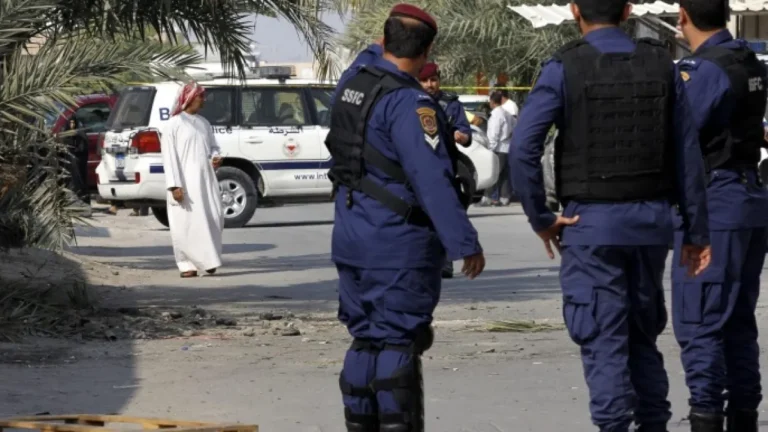
Bahraini authorities recently detained 41 individuals on suspicion of links to Iran's Islamic Revolutionary Guard Corps (IRGC). The arrests occurred amid heightened regional tensions, raising concerns about stability in the Gulf. According to official reports, these 41 individuals constituted the "core" of an alleged terrorist organization operating within Bahrain, suspected of having direct ties to the IRGC. The operation shows Bahrain's ongoing efforts to counter perceived threats to its national security originating from external actors.
Regional Geopolitical Friction
The operation targeting the alleged IRGC-linked cell in Bahrain occurred at a time of heightened geopolitical friction across the Gulf region. This follows a period of intense instability and confrontation. Bahrain was identified as one of the Gulf States most affected by a recent conflict with Iran, experiencing several strikes against its civilian and energy infrastructures during month-long combats. These attacks caused significant damage and disruption, noting the vulnerability of critical infrastructure in the region.
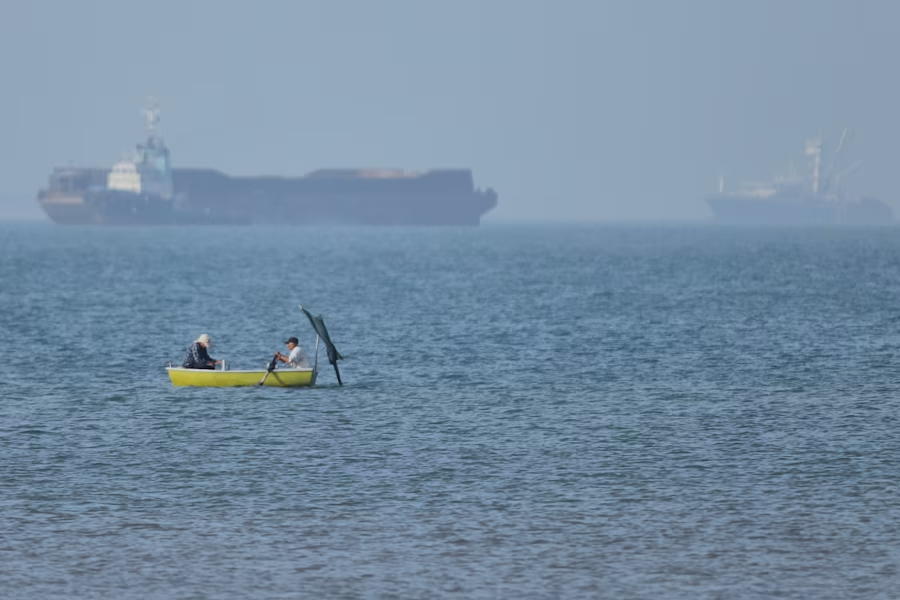
The kingdom was also heavily hit economically by the closure of the Strait of Hormuz, a vital chokepoint for global oil shipments. The disruption to maritime trade routes through the Strait of Hormuz had broad consequences for Bahrain's economy, impacting its energy exports and overall trade. Fresh exchanges of fire on Monday further showed the stakes in the ongoing struggle between the United States and Iran for control of the Strait of Hormuz, a strategic waterway key for international commerce. This persistent regional friction forms the backdrop for the recent arrests and Bahrain's ongoing security concerns regarding foreign influence and destabilization efforts.
Concerns Over Media Freedom
Officials have not publicly detailed the identities of those detained in Bahrain or specified the charges beyond general allegations of affiliation with foreign-backed networks. Rights groups warn that the arrests coincide with tighter media controls within the kingdom, potentially heightening pressure on independent journalists amid ongoing Gulf tensions. These groups express concerns that the increased scrutiny on media outlets could stifle reporting on sensitive security matters.
Independent verification of such security operations remains limited due to existing restrictions on press freedom in Bahrain, making it challenging for external observers to assess the full context of the detentions. State-linked media narratives predominantly shape public information regarding these events, often presenting a singular perspective on national security issues. The lack of detailed official information and the restricted media environment contribute to concerns raised by rights organizations regarding transparency and accountability in the handling of these cases, particularly concerning due process for those detained.
Ongoing Investigations and International Actions
Bahrain's Interior Ministry announced the arrests of the 41 individuals on Saturday, stating that investigations are ongoing. The ministry's statement emphasized the seriousness with which these allegations are being treated. A statement from the ministry confirmed, "Investigations continue to take the necessary measures against anyone found to be involved in the activities of this organization and to have committed illegal acts." This indicates a broad scope for the ongoing inquiry, potentially leading to further arrests or charges. The arrests are part of a broader crackdown on alleged subversive activities within the kingdom.
Meanwhile, members of the UN Security Council initiated closed-door discussions on Tuesday concerning a draft text proposed by the United States, Saudi Arabia, the United Arab Emirates, Kuwait, and Qatar. This significant diplomatic move aims to address the escalating tensions in the Gulf. The proposed text could potentially lead to sanctions against Iran or authorize the use of force if Tehran does not cease its attacks and threats against commercial shipping, which have disrupted global trade and raised concerns about maritime security.
This current diplomatic effort follows a previous attempt to address regional security concerns at the UN. A previous Bahraini resolution, which was supported by the United States, failed to pass the 15-member Security Council last month after both Russia and China exercised their vetoes. That resolution had sought to condemn Iranian actions and impose international measures, but it was ultimately blocked by the permanent members. The renewed push for a resolution shows the international community's persistent concerns about Iran's activities in the region and the desire among several nations to take decisive action to de-escalate tensions and ensure the safety of international waterways.