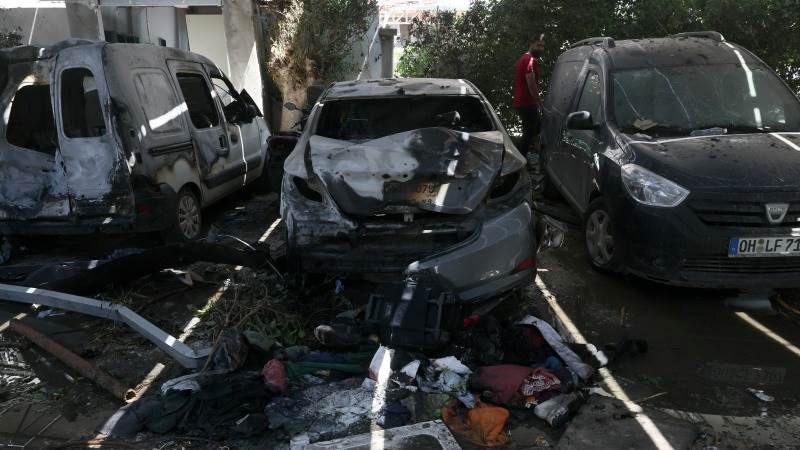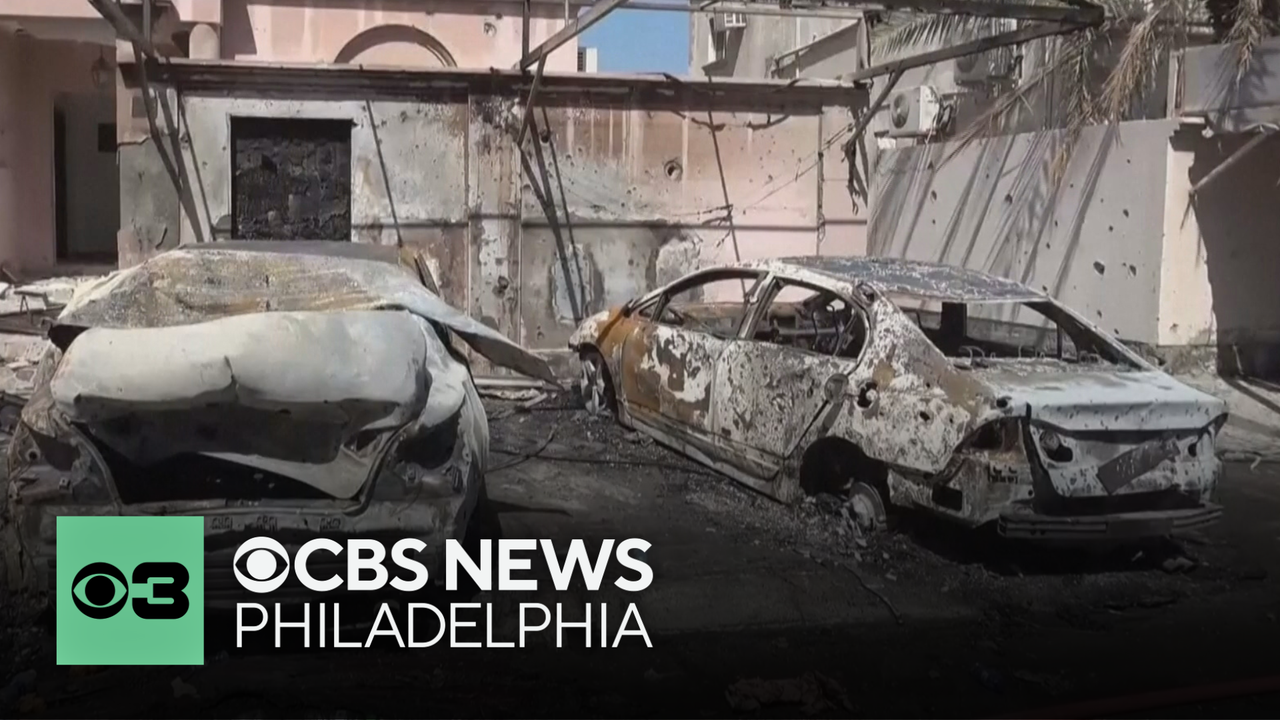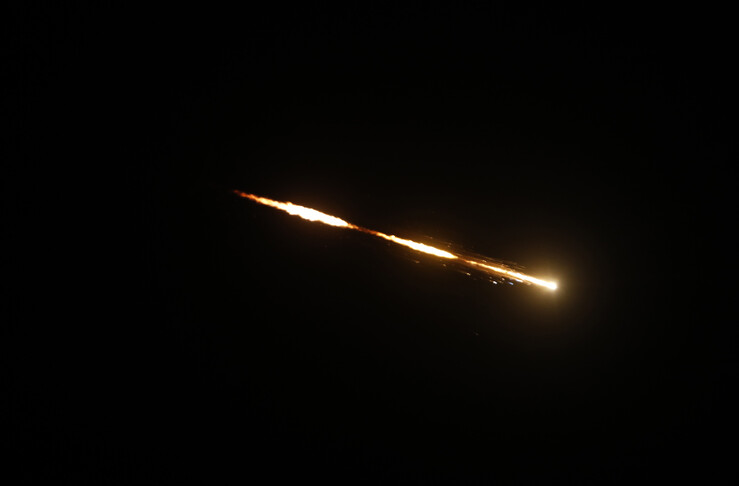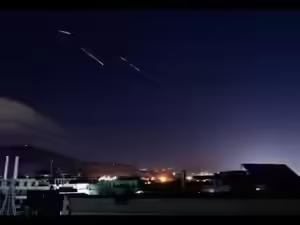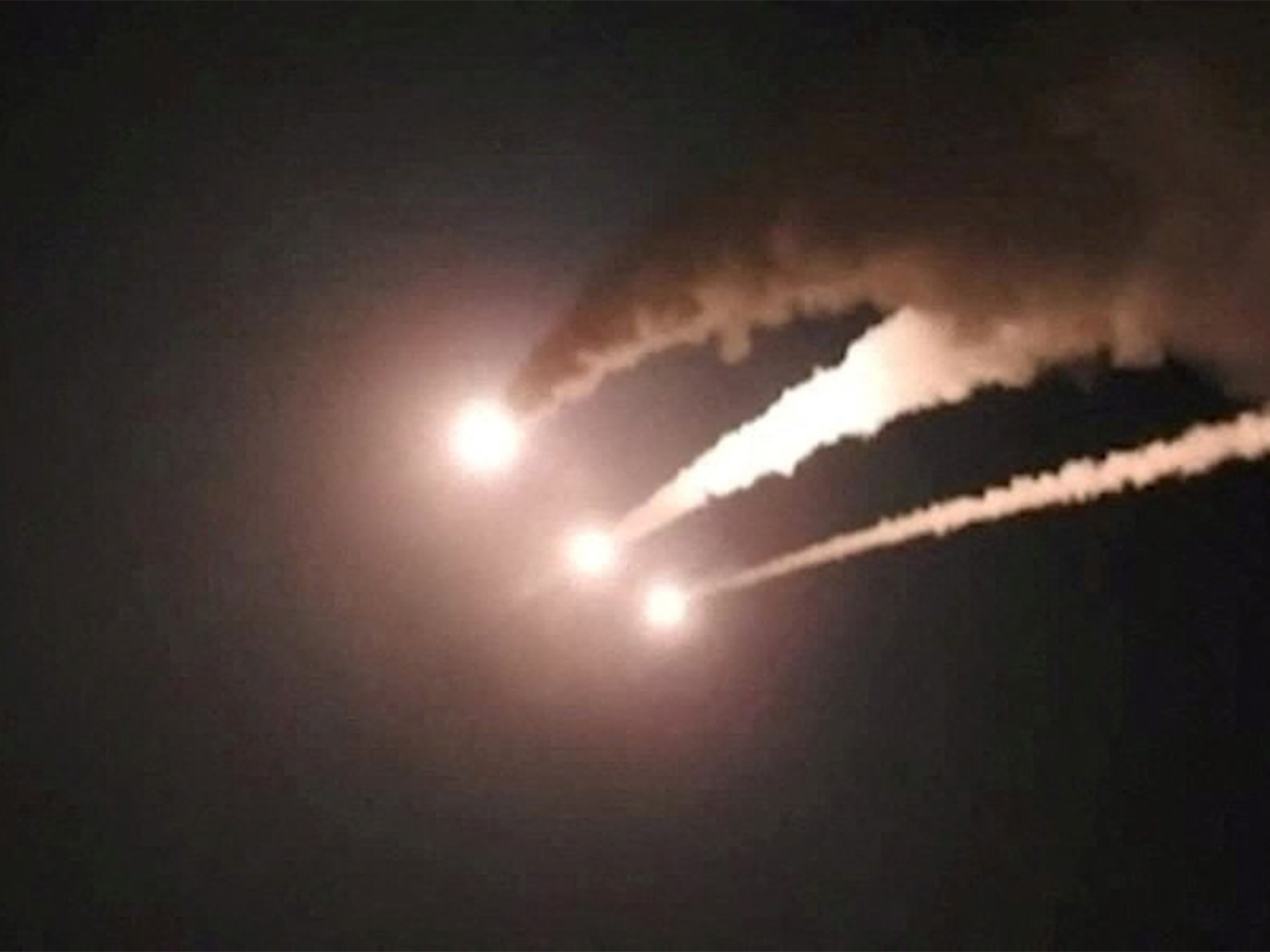
Kuwait closed its airspace following reports of regional aerial threats. This move by Kuwait comes as air defence systems were activated in Jordan, according to state-run media. Press TV, an Iranian news outlet, reported that Jordanian air defence systems were engaged after what it claimed were Iranian missile attacks targeting a US military base in the region. The activation of these systems showed the heightened tensions and the immediate reactions across the Middle East following a series of military actions. The closure of Kuwaiti airspace indicates a proactive measure to ensure safety amidst the unfolding events.
US Strikes Iran, Triggers Response
The United States Central Command (CENTCOM) announced in the early hours of Thursday that it carried out additional "self-defence strikes" against multiple targets in Iran on June 10. CENTCOM stated these strikes were specifically launched against Iranian military surveillance capabilities, communication systems, and air defence sites located across Iran. This full targeting aimed to degrade Iran's ability to monitor and respond to aerial activities in the region. According to CENTCOM, U.S. Marine Corps, Air Force, and Navy assets were utilized to fire precision munitions during these operations. These munitions targeted Iranian military sites that CENTCOM identified as posing a direct threat to U.S. Forces and international commercial ships operating in the critical waterways of the region. CENTCOM further added that the strikes were a direct response to Iran's "unwarranted and continued aggression," framing the actions as necessary to protect American interests and regional stability. This statement emphasized the U.S. Position that its military actions were defensive in nature, following a pattern of perceived Iranian provocations.
Regional Air Defences Activated
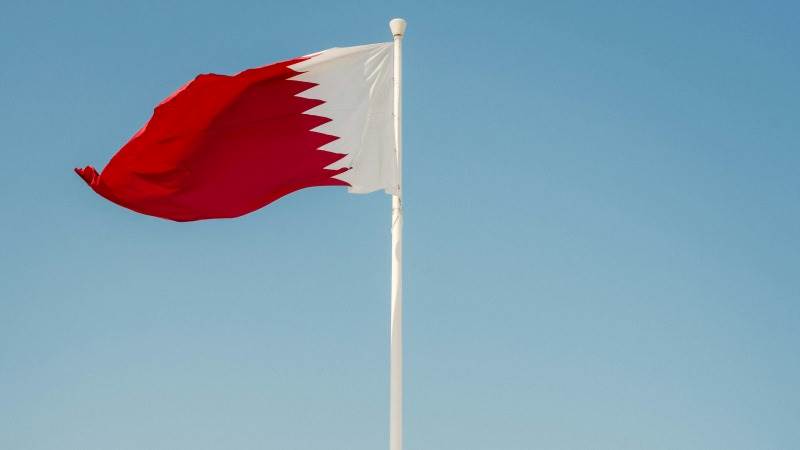
In a ripple effect across the region, air raid sirens were activated again in Bahrain, signaling potential incoming threats. Al Jazeera, a prominent news network, reported that Kuwait also closed its airspace and was actively responding to missile and drone attacks, indicating that the threats were not merely theoretical but actively engaged by regional defence systems. The Kuwaiti Army, in a statement, confirmed that its air defences are currently intercepting "hostile aerial targets," providing concrete evidence of the ongoing engagement. Similarly, Bahrain's interior ministry said that the alarm siren had been activated, urging residents to seek shelter.
The U.S. Embassy in Jordan issued an alert, stating, "Reports indicate missiles, drones, or rockets are in Jordanian airspace." This advisory noted the widespread nature of the aerial threats, extending across multiple national airspaces. The embassy advised individuals to "Seek overhead cover and shelter in place immediately. Remain indoors and pay attention to local announcements and alerts." It added, "The U.S. Embassy in Jordan will continue to review the situation and provide additional information," showing the dynamic and evolving nature of the security situation.
Iran's Claims and Warnings
Concurrently with the regional activations, Iranian media outlets reported explosions in Sirik, Karaj, and Abyek in Qazvin province, suggesting that the U.S. Strikes had indeed reached Iranian territory. These reports from Iranian sources provided a domestic perspective on the impact of the U.S. Military actions. Concurrently, Iranian officials declared the closure of the Strait of Hormuz, a key maritime passage vital for global oil shipments, signaling a significant escalation in the standoff. This move by Iran has immediate implications for international shipping and energy markets.
Iran's Islamic Revolutionary Guard Corps (IRGC) stated that 18 "important" US military-related sites were targeted during the recent actions, asserting a broad retaliatory strike. These sites, according to the IRGC, included the Ali Al-Salem and Ahmed Al-Jaber bases in Kuwait, alongside the Sheikh Isa Air Base located in Bahrain. The IRGC's declaration showed the breadth of the areas it claimed to have struck across the region, indicating a wide-ranging response to the U.S. Strikes.
Embassy Advisories and Military Statements
Further details emerged regarding the defensive postures taken by regional allies. The Kuwaiti Army stated its air defences are intercepting "hostile aerial targets," confirming active engagement in the protection of its airspace and territory. Bahrain's interior ministry also confirmed the alarm siren had been activated, providing further evidence of the widespread nature of the alerts. Amidst these developments, IRGC's Commander General Sayed Majid Mousavi issued a stern warning to the United States, vowing to turn the region into "hell" if threats to the Strait of Hormuz continue. This statement from a high-ranking Iranian military official indicated Iran's resolve and its potential willingness to escalate further if its interests, particularly concerning the vital Strait of Hormuz, are perceived to be under threat. The situation remains highly volatile, with both sides demonstrating a readiness to respond to perceived aggressions.