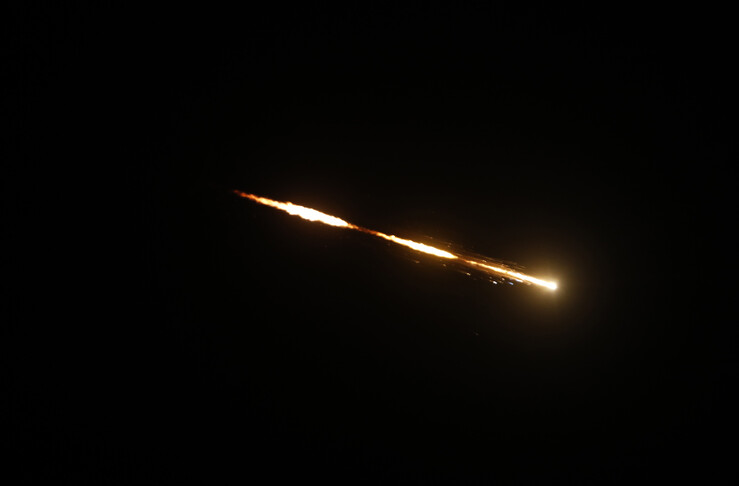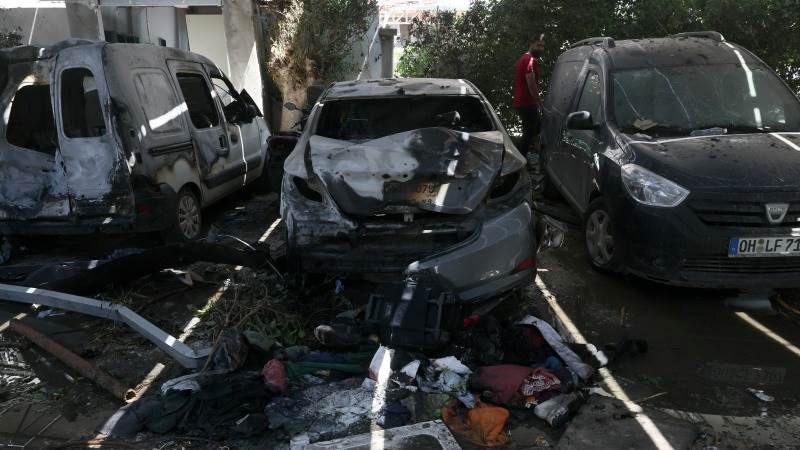
Bahrain's Interior Ministry reported on Thursday that an 11-year-old girl sustained a minor injury after debris fell in Hamad City following the interception of Iranian drones over the kingdom. The incident occurred as Bahraini air defenses engaged and neutralized the unmanned aerial vehicles, successfully preventing them from reaching their intended targets. The ministry specified that the girl's injury was minor and did not require extensive medical attention, being treated on-site. Authorities have launched a full investigation into the origin and trajectory of the intercepted drones, which were unequivocally identified as Iranian. The debris, consisting of fragments from the downed aerial vehicles, fell in a residential area, prompting immediate response from emergency services to secure the site and ensure public safety. This swift action helped to mitigate further risks to residents.
Damage and Response
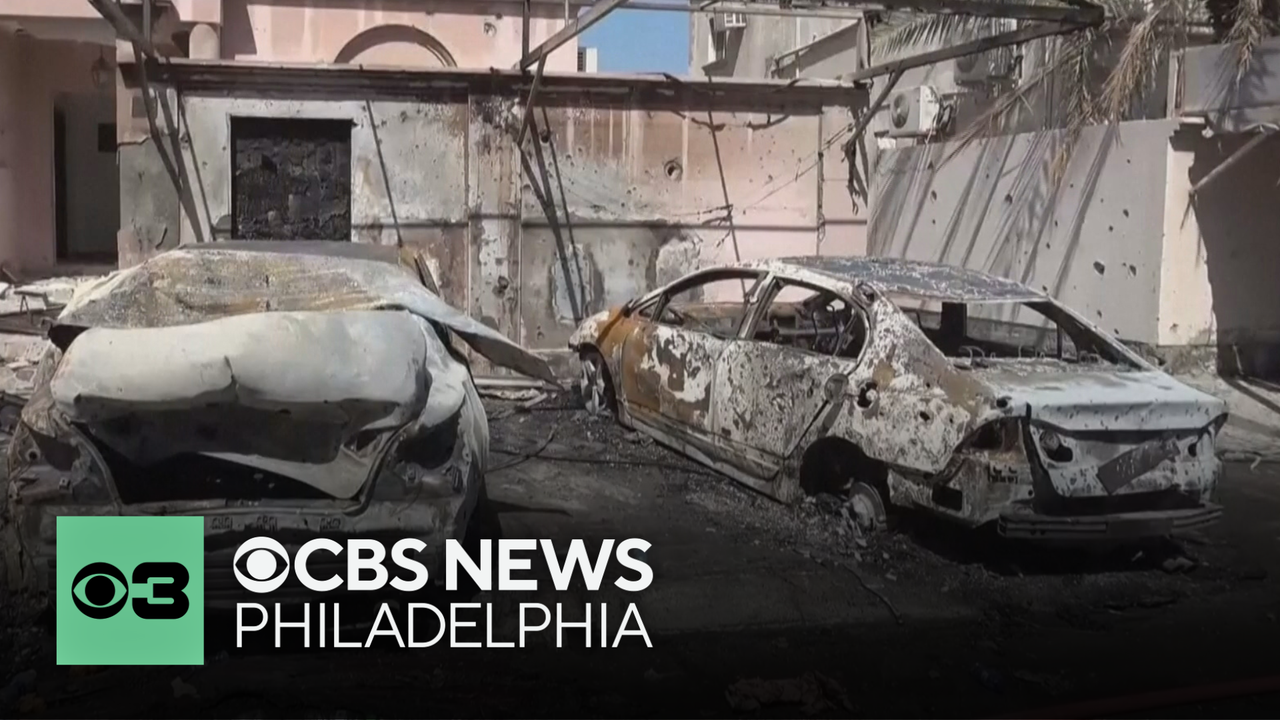
Vehicles caught fire and homes sustained damage in Hamad City and the capital, Manama, after shrapnel from the destroyed Iranian drones landed in populated areas. The widespread nature of the debris impact led to property destruction across multiple locations within the kingdom, affecting both private residences and public infrastructure. Emergency responders and civil defense teams were promptly deployed to the affected sites to manage the aftermath, including extinguishing fires and assessing structural damage. These teams worked diligently to extinguish fires, secure hazardous areas, and assess the structural integrity of damaged buildings, ensuring a rapid and coordinated response. The immediate deployment ensured that potential hazards were addressed swiftly following the interception, minimizing further risk to the civilian population. The incidents occurred as Bahraini air defenses engaged the unmanned aerial vehicles, resulting in debris falling into civilian districts, a concerning development for urban safety. The sheer volume of debris indicated a significant interception effort by Bahraini forces.
Broader Regional Tensions
The incident involving the Iranian drones in Bahrain occurred amid a fresh exchange of attacks between Iran and the United States. This broader context has raised significant concerns among observers and international bodies regarding the potential for a wider regional conflict, emphasizing the fragility of peace in the Gulf. The interactions between these two nations have seen an increase in recent months, contributing to heightened tensions across the Middle East and creating an unpredictable security environment. Such exchanges often involve a complex mix of direct confrontations and proxy actions, influencing stability in various countries in the Gulf region and beyond. The interception of drones over Bahrain, unequivocally identified as Iranian, adds another dimension to these ongoing dynamics, noting the potential for spillover effects from larger geopolitical rivalries. Military analysts frequently monitor these developments for signs of escalation or de-escalation between major regional and international players, as each incident carries implications for regional stability. The situation shows the complex and interconnected nature of security challenges in the area, where local incidents can quickly take on regional significance.
Ministry Confirms Incident
Bahrain's Interior Ministry confirmed the interception of Iranian-origin drones over its airspace, stating that debris from the neutralized unmanned aerial vehicles caused a minor injury to an 11-year-old girl in Hamad City. The ministry specified the girl's injury did not require extensive medical intervention, showing its non-life-threatening nature. The incident prompted an immediate and thorough investigation into the drones' origin and trajectory, aiming to ascertain the full scope of the incursion. Authorities deployed emergency services to secure the site where the debris fell, as it was a residential area, prioritizing the safety of the local populace. This event occurred amidst heightened regional tensions involving Iran and the United States, adding to concerns about broader stability in the Gulf and the potential for similar future incidents. The ministry's confirmation provided official details regarding the interception and its immediate consequences, reassuring the public of the government's vigilance.