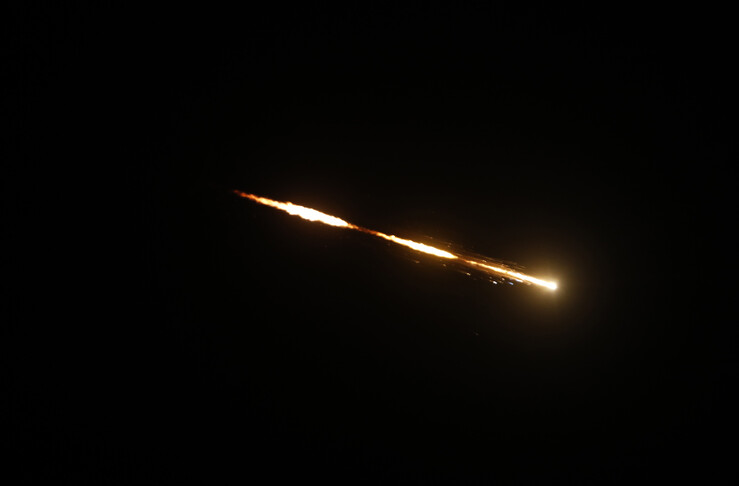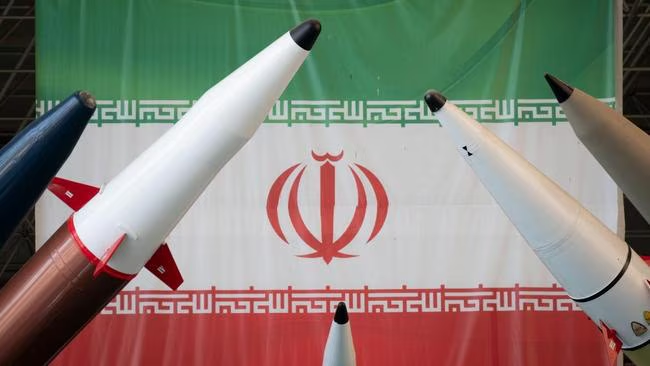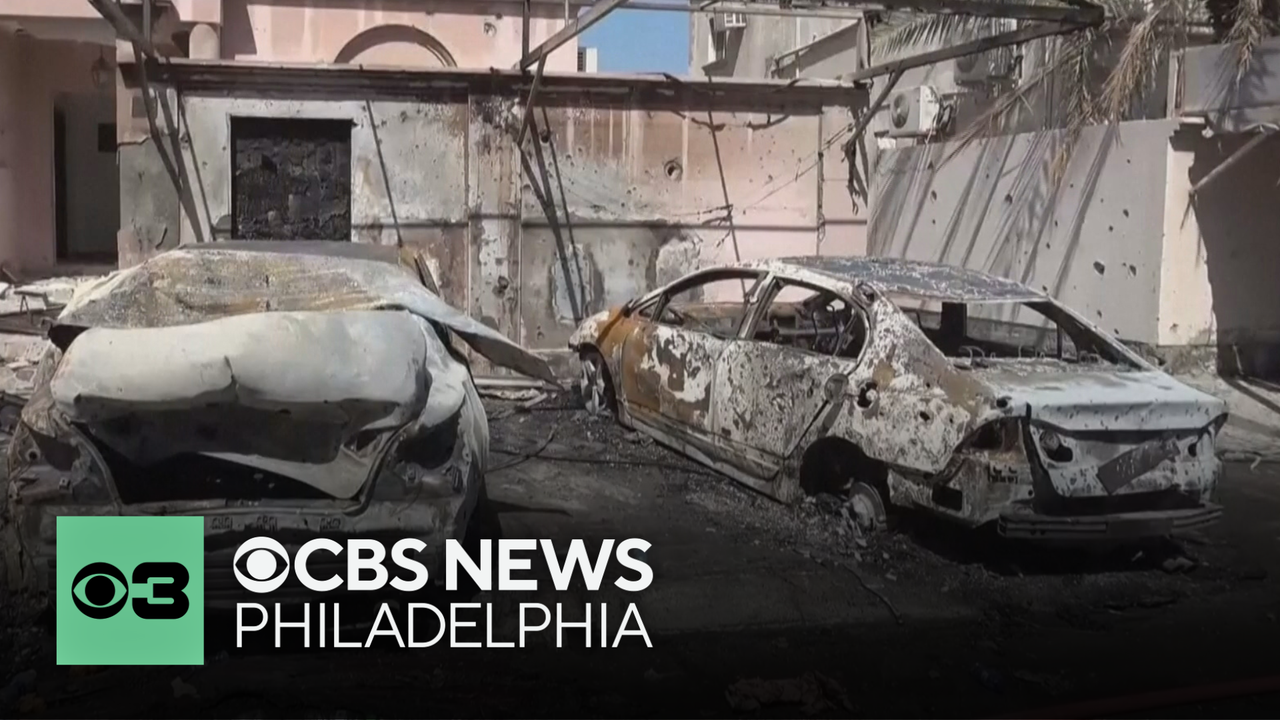
An 11-year-old girl sustained injuries in Bahrain after missiles were fired towards the country from Iran overnight, according to officials in Bahrain. The incident occurred amid escalating tensions in the region, marking a significant escalation in the ongoing standoff between Iran and the United States and its allies.
Attack on Bahrain
Bahraini authorities are assessing the aftermath of missile strikes, which originated from Iran. The incident follows a period of heightened tensions involving the U.S. And Iran, particularly concerning maritime activity in the Strait of Hormuz. The overnight missile attack on Bahrain has drawn immediate international concern, noting the volatile security situation in the Gulf. Officials in Bahrain have stated that an 11-year-old girl was injured in the attack, showing the civilian impact of the escalating conflict. President Trump has previously commented on regional stability, and CBS News has reported on the escalating situation, indicating the widespread awareness of the growing crisis. The U.S. Maintains a significant naval presence in the region, including vessels like the USS Philadelphia, which serves as a deterrent and a symbol of American commitment to its regional partners. Officials in Bahrain have not yet provided further details on the extent of the damage or the specific targets of the missiles, though investigations are reportedly underway. The attack has drawn international attention as regional powers monitor the evolving geopolitical landscape, with many calling for de-escalation to prevent further civilian casualties and broader conflict.
US Airstrikes and Retaliation
The recent missile attack on Bahrain by Iran occurred as Tehran reportedly responded to a second round of U.S. Airstrikes. This latest Iranian action is understood to be a direct retaliation for the U.S. Military operations. These U.S. Military actions followed a warning issued by President Trump, who had stated that Tehran would "pay the price" for stalled peace talks. This warning indicated a firm stance from Washington regarding diplomatic efforts in the region, suggesting that the U.S. Was prepared to use military force if negotiations did not progress. The U.S. Airstrikes themselves represent an escalation point, preceding the Iranian missile launch towards Bahrain and establishing a clear link in the cycle of aggression. This sequence of events notes a deepening cycle of military engagement and retaliation between the two nations, where each action by one side prompts a forceful response from the other. The situation shows the volatile nature of diplomatic and military interactions in the Gulf region, where both sides have demonstrated a willingness to respond forcefully to perceived provocations, leading to a precarious balance of power. The specific targets of the U.S. Airstrikes were not detailed in initial reports, but their occurrence directly before the Iranian response suggests a direct link in the ongoing conflict, framing the missile attack as a tit-for-tat measure.
President Trump's Warning
The U.S. Military conducted strikes against 20 Iranian targets located near the Strait of Hormuz. These actions followed the downing of an Apache helicopter, an incident that significantly heightened tensions in the strategically vital waterway. This specific military engagement occurred after President Trump's warning that Iran would "pay the price" for stalled peace talks, indicating an intensified U.S. Response to regional developments. The U.S. Strikes, which targeted 20 Iranian positions, were a clear demonstration of force and a direct consequence of the President's warning. The choice of targets near the Strait of Hormuz is particularly significant, given its role as a critical maritime chokepoint for global oil supplies. These strikes represent a direct military action by the U.S. In the vicinity of this critical maritime chokepoint, further contributing to the escalating tensions between Washington and Tehran and raising concerns about the potential for wider regional instability. The attack on Bahrain, coming shortly after these U.S. Actions, is seen as part of Iran's response to these aggressive military postures.