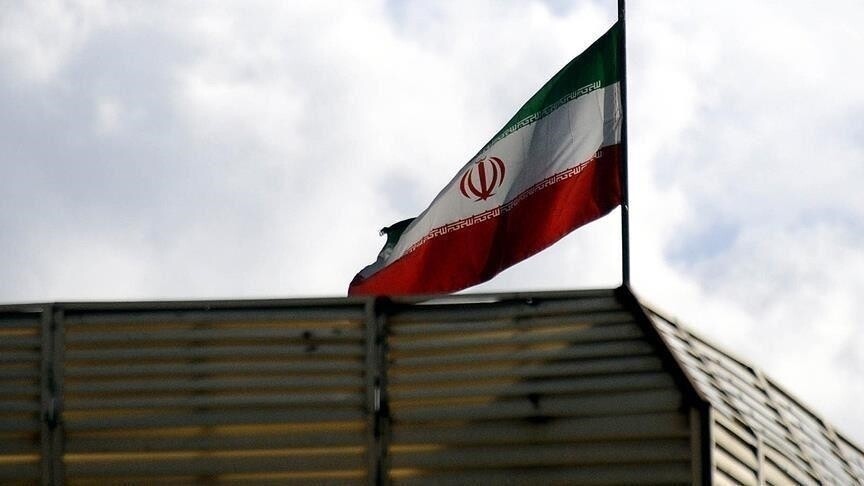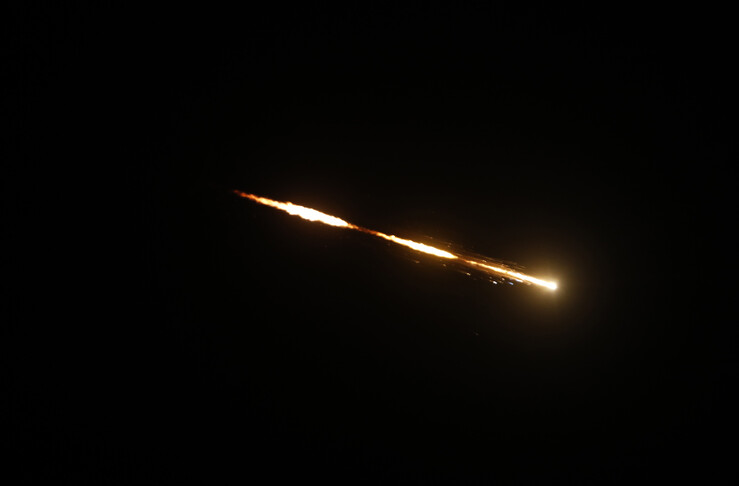
Iran announced early Thursday that 18 significant U.S. Military targets located in Kuwait and Bahrain had been subjected to attack. The claim by Tehran comes amidst heightened regional tensions, marking a notable escalation in the ongoing confrontation between the two nations. This assertion from Iran indicates a widening scope of military engagement, extending beyond previous localized incidents.
IRGC Details Targets Struck
Iran’s Islamic Revolutionary Guards Corps (IRGC) stated that the targets of the strikes included the Ali Al Salem and Ahmad Al Jaber bases located in Kuwait. These facilities are known to host a substantial presence of U.S. Military personnel and assets, making them strategic targets in any regional conflict. Additionally, the IRGC confirmed that the Sheikh Isa base in Bahrain was among the sites struck. The Sheikh Isa base is a key operational hub for U.S. Forces in the Gulf region, emphasizing the deliberate nature of the Iranian actions. Iran’s military reported that suicide drones had been launched specifically toward the US Fifth Fleet as part of the operation, further detailing the method of attack and the intended targets. The military also specified that it had targeted Patriot systems and communications facilities belonging to the US Fifth Fleet in Bahrain, indicating a focus on disrupting defensive capabilities and command structures.
The military also issued a strong statement, emphasizing its resolve in the ongoing confrontation. "Iranian forces are prepared to confront the enemy 'until the last breath' and will not retreat until it is punished," Iran’s military declared. This strong rhetoric shows the deep-seated commitment of Iran to its stated objectives and its willingness to engage in prolonged conflict. These actions were announced amidst escalating regional tensions, which have seen a series of tit-for-tat military engagements. The claims from Tehran mark a significant development in the broader geopolitical landscape of the Middle East, signaling a potentially volatile period ahead.
Escalating Regional Tensions
The developments occurred amid escalating tensions following US strikes on southern Iran. These initial US actions set off a chain reaction, leading to Iran’s subsequent attacks targeting US military assets across the region. This pattern of action and reaction notes a dangerous cycle of escalation between Washington and Tehran. The series of actions marks a significant period of heightened confrontation between the United States and Iran, with both sides engaging in military operations that carry substantial risks of broader conflict. The strikes by Iran on facilities in Kuwait and Bahrain represent a direct response to the earlier US actions, according to Iran's official statements. This tit-for-tat dynamic has become a defining characteristic of the current geopolitical climate in the Middle East, with each side responding to perceived aggressions from the other.
Iran's Stance and Readiness
Iran’s military declared the drone launches were a direct response to American attacks on southern Iran. This framing positions Iran's actions as retaliatory and defensive in nature, aimed at deterring further US military operations against its territory. The military further stated that it had targeted Patriot systems and communications facilities belonging to the US Fifth Fleet in Bahrain, providing specific details about the nature of the targets and the strategic intent behind the strikes. According to Iran’s military, these actions show its readiness in the face of perceived aggression, demonstrating its capability and willingness to project power across the region. "Iranian forces are prepared to confront the enemy 'until the last breath' and will not retreat until it is punished," Iran’s military asserted, signaling a firm stance and an unwavering commitment to its strategic goals. This position notes Tehran's resolve in the ongoing confrontation with U.S. Forces in the region, indicating a readiness for sustained conflict if necessary.