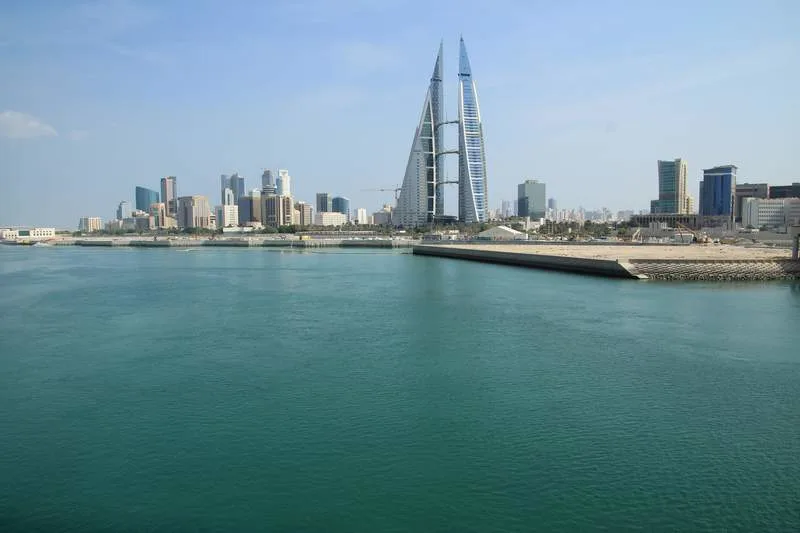
The Iranian Islamic Revolutionary Guards Corps (IRGC) claimed early Wednesday that its naval forces shot down a US MQ-9 drone over southern Bushehr province. The IRGC also stated it launched a drone attack targeting the US Fifth Fleet in Bahrain at 2:30 am local time. The attack on the Bahrain-based fleet was in response to recent American strikes on Jask, Sirik, and Qeshm in southern Iran, according to the IRGC. This claimed drone attack on the US Fifth Fleet represents a significant escalation in the ongoing tensions between Tehran and Washington in the strategically vital Persian Gulf region. The IRGC's assertion of downing a US MQ-9 drone further shows the heightened state of alert and direct confrontation.
IRGC's Retaliatory Claims
The Iranian Islamic Revolutionary Guards Corps (IRGC) claimed that recent US strikes damaged a telecommunications tower in Sirik. The IRGC further reported that the strikes destroyed two water tanks in the city’s Bamani district. These specific damages were cited by the IRGC as direct consequences of the American military actions, prompting their retaliatory operations. The organization issued a warning regarding potential future actions, stating that "heavier responses" would follow if attacks continued. This warning signals a readiness from the IRGC to escalate its military responses, should it perceive further aggression from US forces. The claimed drone attack on the US Fifth Fleet at 2:30 am local time was presented as a direct, measured response to these perceived provocations.
US Military Response
US Central Command (CENTCOM) announced the completion of strikes against Iran, describing them as "self-defense" operations. CENTCOM stated that US fighter jets targeted Iranian air defense systems and radar sites located near the Strait of Hormuz. These strikes were conducted by US fighter jets, specifically targeting infrastructure deemed critical to Iran's defensive capabilities in the region. The command further clarified that these strikes were conducted in response to a previous incident involving the downing of a US Army Apache helicopter. This statement from CENTCOM provides the American justification for its military actions, framing them as defensive measures following a prior attack on US assets. The targeting of air defense systems and radar sites suggests an effort to degrade Iran's ability to monitor or engage US aircraft in the area.
Context of Regional Strikes
The recent military actions described by both Iranian and US forces unfold within a broader context of escalating regional tensions. The Iranian Islamic Revolutionary Guards Corps (IRGC) has cited American strikes on Jask, Sirik, and Qeshm in southern Iran as justification for its own operations, including a claimed drone attack on the US Fifth Fleet in Bahrain. The IRGC specifically noted the damage to a telecommunications tower in Sirik and the destruction of two water tanks in the city’s Bamani district as reasons for their response. US Central Command (CENTCOM), in turn, stated its strikes against Iranian air defense systems and radar sites near the Strait of Hormuz were in "self-defense" following the downing of a US Army Apache helicopter. These exchanges highlight a pattern of retaliatory actions in the strategically vital region, with each side presenting its actions as responses to prior provocations. The specific timing of the IRGC's claimed drone attack at 2:30 am local time emphasizes the immediate nature of their response.
Future Warnings Issued
The Iranian Islamic Revolutionary Guards Corps (IRGC) has issued warnings of potential "heavier responses" if attacks against its forces continue. This follows the IRGC's claim of downing a US MQ-9 drone over Bushehr province and launching a drone attack against the US Fifth Fleet in Bahrain. The IRGC explicitly stated that its naval forces were responsible for the drone attack against the US Fifth Fleet. US Central Command (CENTCOM) previously stated its strikes against Iranian air defense systems and radar sites near the Strait of Hormuz were conducted in "self-defense." CENTCOM showed that these operations were a direct response to the downing of a US Army Apache helicopter in a prior incident. The IRGC cited prior American strikes on Jask, Sirik, and Qeshm in southern Iran as justification for its own operations, pointing to damages such as the telecommunications tower in Sirik and two water tanks in the city’s Bamani district. These exchanges indicate a sustained period of heightened vigilance from both sides in the region, with the potential for further military engagement.