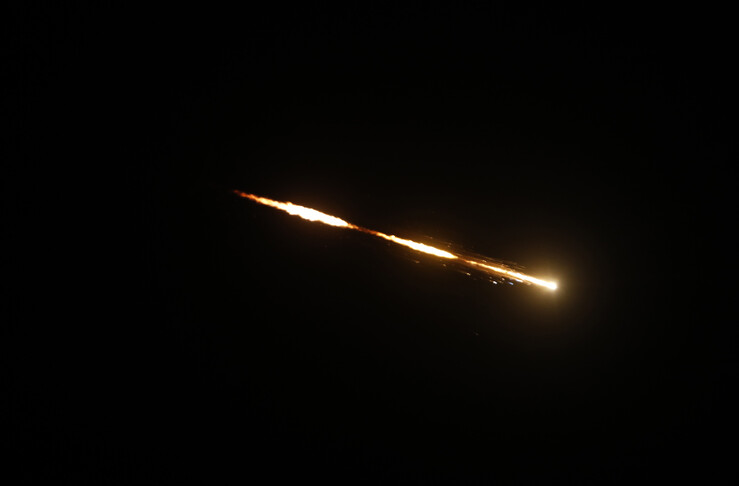
Bahraini air defense systems recently intercepted Iranian aerial threats that had entered the nation's airspace, according to a statement from a senior official. Nabeel Al Hamer, Bahrain's media adviser to the king, confirmed the incident, stating, "Bahrain's air defense systems shot down Iranian aerial threats that entered Bahraini airspace." This development occurs amidst heightened tensions in the Gulf region, showing the volatile security landscape. The successful interception notes the advanced capabilities of Bahrain's defense infrastructure and its readiness to protect its sovereign territory from external incursions. The article detailing this event is a 1-minute read, providing a concise overview of the confrontation and its immediate implications for regional stability.
Regional Tensions Escalate
The incident occurred amid escalating tensions across the Gulf and a renewed exchange of attacks between the United States and Iran. This period of heightened friction saw Washington press ahead with military action that US President Donald Trump and Defense Secretary Pete Hegseth had previously pledged. These actions by the United States followed earlier commitments made by its leadership to address perceived threats in the region. The broader context of these exchanges illustrates a precarious security environment, where military posturing and retaliatory measures have become increasingly frequent. Such developments keep regional powers on high alert, constantly monitoring their airspace and borders for potential threats. The situation has led to a significant increase in vigilance across the Arabian Peninsula, as nations prepare for various contingencies.
Kuwait Reports Missile Interception
Neighboring Kuwait also reported intercepting missiles, adding to the regional concerns and demonstrating the widespread nature of aerial threats. This occurrence in Kuwait further indicated the widespread reach of potential aggressions in the Gulf, following closely on the heels of similar reports from Bahrain. The interceptions by both nations show a period of heightened vigilance across the Arabian Peninsula amid ongoing geopolitical strains. These events suggest a coordinated or at least concurrent pattern of aerial activity that demands strong defense responses from Gulf states. The successful neutralization of these threats by both Bahrain and Kuwait demonstrates the operational readiness of their respective air defense forces. Gulf states have been monitoring their airspace closely as tensions between regional and international powers remain elevated, necessitating continuous surveillance and rapid response capabilities.
Official Confirmation and Context
The developing situation was reported in an article published 33 minutes ago. The Bahraini interception of aerial threats occurred as Tehran engaged in retaliatory actions, which included a move by Iran to shut the Strait of Hormuz. This action by Iran followed an exchange of attacks between the United States and Iran, contributing to the broader escalation of tensions in the Gulf region. The closure of the Strait of Hormuz, a critical global oil transit choke point, has significant international implications, further amplifying the seriousness of the current geopolitical climate. Such a move by Iran is often perceived as a direct response to perceived aggressions or sanctions, escalating the economic and military stakes for all parties involved. The incident in Bahrain, combined with reports of missile interceptions in neighboring Kuwait, highlight the volatile security environment in the Arabian Peninsula. Regional powers continue to monitor airspace activity closely amidst these ongoing geopolitical strains, emphasizing the critical need for regional stability and de-escalation efforts. The interconnectedness of these events paints a clear picture of a region grappling with complex security challenges.