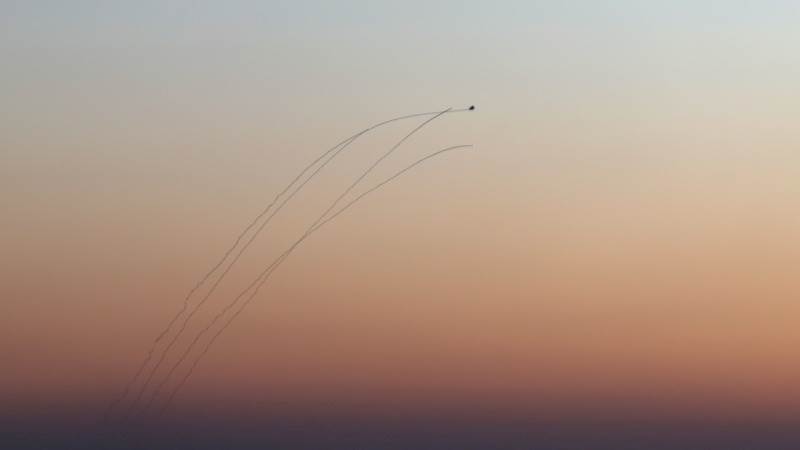
Iran launched ballistic missiles and drones early Saturday toward Bahrain and Kuwait, according to Bahrain's government, which reported the projectiles were intercepted. This aggressive action by Tehran marks a significant escalation in regional tensions. Concurrently, the U.S. Military shot down several Iranian missiles and drones aimed at the Strait of Hormuz and Gulf Arab allies, showing the immediate threat posed to international shipping lanes and regional stability. The U.S. Also conducted "self-defense strikes," as stated by US Central Command, on Qeshm Island, a strategic location for Iran. Iran's foreign ministry reported that these U.S. Attacks targeted surveillance facilities on Qeshm Island and near Sirik in the early hours of Saturday, describing them as a violation of the fragile ceasefire that had been in place.
The latest series of events has drawn sharp condemnation from regional partners. Bahrain’s government, directly impacted by the Iranian launches, characterized Iran's actions as a "serious escalation," noting the perceived disregard for regional peace and security. The U.S. Military, through U.S. Central Command, responded by striking some of Iran's coastal surveillance radar sites, indicating a targeted and defensive posture against the perceived Iranian threats. These developments unfold amidst a backdrop of ongoing diplomatic efforts and military posturing in the volatile Gulf region.
Iranian Strikes and Interceptions
Tehran launched at least five missiles, with two failing to hit their intended targets or falling short, according to reports. The remaining three missiles were intercepted by US and Bahrain air defense forces, preventing potential damage or casualties in allied territories. US Central Command (CENTCOM) stated that the projectiles "failed to hit their intended targets," further emphasizing the effectiveness of the defensive measures taken by the U.S. And its partners. Iran’s Revolutionary Guard claimed responsibility for the missile launches, asserting they had specifically targeted the Ali Al Salem air base in Kuwait and the U.S. Navy’s 5th Fleet in Bahrain, two critical military installations in the region.
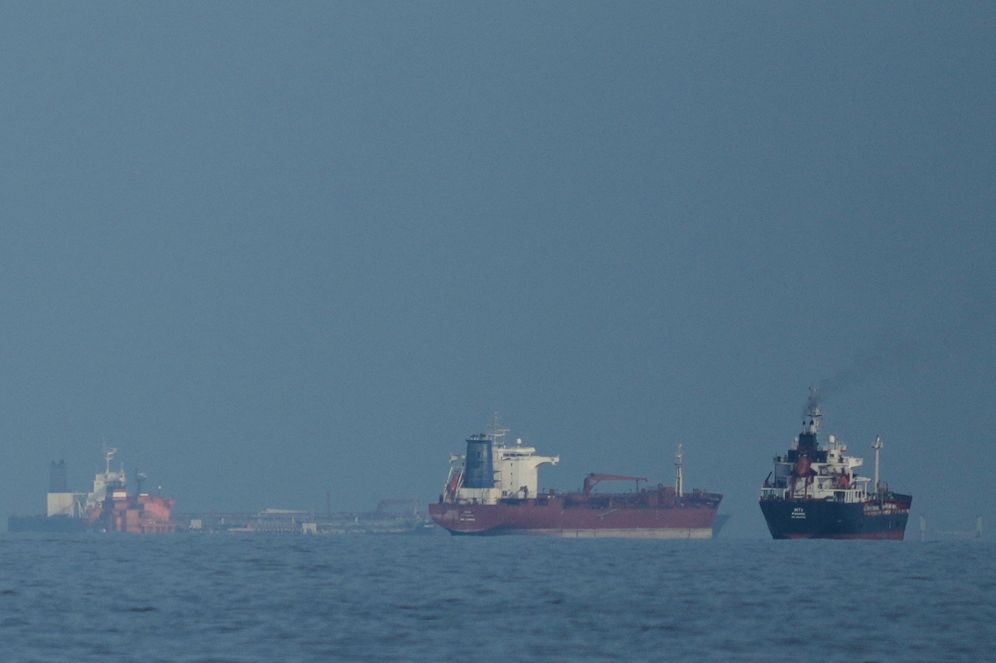
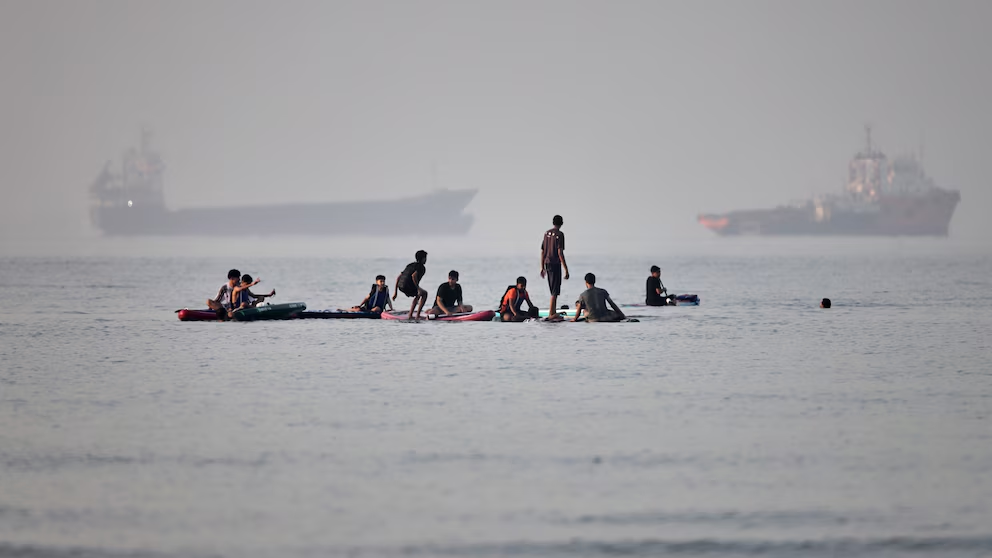
Iranian state media broadcast that three missiles had struck "enemy bases" in Kuwait, a claim that contrasts with CENTCOM's assessment of failed targeting. These reports from Iranian state media aim to project an image of successful military operations, despite the interceptions reported by Bahrain and the U.S. CENTCOM also reported shooting down three one-way attack drones that Iranian forces had fired toward civilian mariners in the surrounding regional waters. These drones, designed for destructive impact, posed an immediate threat to the safety and security of commercial and civilian vessels navigating these critical waterways. U.S. Central Command explicitly stated that these attack drones posed an immediate threat to regional maritime traffic, showing the danger they presented to international shipping and human lives.
These drone incidents occurred amid heightened regional tensions, which have been steadily escalating. Earlier in the week, Iranian drones had damaged a passenger terminal at Kuwait’s main airport, resulting in the death of one person and injuries to dozens, demonstrating the real-world impact of these aerial attacks on civilian infrastructure and populations. The attack on Kuwait's main airport was a stark reminder of the potential for broad disruption and harm beyond military targets, further exacerbating regional anxieties. The use of drones in such a manner indicates a deliberate strategy to exert pressure and demonstrate capability across various domains.
The renewed strikes by Iran came just one day after the Islamic Republic obliterated an American drone, a significant act of aggression that signaled a clear challenge to U.S. Air superiority in the region. Iran ordered a separate drone strike on a U.S. Base in Kuwait, indicating a coordinated and sustained campaign of attacks against American interests and personnel. These actions by Iran show a calculated attempt to test the resolve of the United States and its allies, pushing the boundaries of the existing fragile ceasefire. The consistent targeting of U.S. And allied installations, as well as civilian infrastructure, reveals a pattern of behavior designed to destabilize the region and assert Iranian dominance. The frequency and nature of these attacks suggest a deliberate strategy to maintain a high level of tension, thereby influencing regional dynamics and international negotiations.
US Response and Qeshm Island
The U.S. Military launched "self-defense strikes" on a military ground control station on Qeshm Island, with subsequent strikes on Monday also focused on the island. Iran's foreign ministry described the U.S. Attack as a violation of the fragile ceasefire, reiterating its stance that American military actions constituted an infringement on agreements. Qeshm Island is a key location where the Iranian regime reportedly houses ballistic missiles used in its continuing attacks against Kuwait and Bahrain, making it a critical strategic target for U.S. Defensive operations. The island sits along the critical Strait of Hormuz, a narrow choke point through which a significant portion of the world's oil supply passes, further elevating its geopolitical importance. This geographical advantage allows Iran to project power and potentially disrupt international shipping, making control or influence over Qeshm Island highly contested. The island is described as the Iranian regime’s "underground and heavily fortified 'missile city'," indicating a substantial investment in military infrastructure and a strong capability for missile deployment.
Bandar Abbas, Iran’s primary naval station, also saw escalated firefights last week after IRGC mine-laying spurred American strikes in the area. This port city, vital for Iran's naval operations and a major commercial hub, has become another flashpoint in the ongoing tensions. US Central Command (CENTCOM) announced the strikes on Tuesday night, confirming the American response to the Iranian mine-laying activities. The Islamic Revolutionary Guard Corps (IRGC) stated that its attacks on Kuwait were a response to U.S. Forces' "brazen and blatant aggression" in strikes on Qeshm Island, warning that Tuesday’s strikes were merely an "initial response." This statement from the IRGC signals a potential for further retaliation and a deepening of the conflict. The IRGC's declaration came after the US military characterized Iranian actions as "unwarranted Iranian aggression during the ongoing ceasefire," a direct counterpoint to Iran's claims of U.S. Aggression. CENTCOM previously noted that projectiles from initial Iranian launches "failed to hit their intended targets," reinforcing the narrative of successful U.S. And allied defense.
The strategic significance of Qeshm Island cannot be overstated. Its location not only provides a launchpad for missile attacks but also allows Iran to monitor and potentially interfere with maritime traffic through the Strait of Hormuz. The "underground and heavily fortified 'missile city'" suggests a sophisticated and resilient military capability, designed to withstand potential counter-attacks and maintain a persistent threat. The U.S. Strikes on these facilities are thus a direct attempt to degrade Iran's ability to launch these projectiles and to protect its regional allies and international shipping interests. The interplay between Iranian provocations and U.S. Retaliatory strikes creates a dangerous cycle of escalation, with each action prompting a response from the opposing side. The continued use of these strategic islands and naval facilities by Iran as bases for aggressive actions shows the complex and volatile nature of the conflict.
Fragile Ceasefire and Wider Context
The renewed strikes occurred one day after the Islamic Republic destroyed an American drone and ordered a separate drone strike on a U.S. Base in Kuwait. These actions followed a tentative agreement reached a week prior by U.S. And Iranian negotiators to extend the existing ceasefire by 60 days and initiate new discussions on Iran’s nuclear program. This agreement, intended to de-escalate tensions and pave the way for diplomatic solutions, now appears to be severely strained by the latest military confrontations. The timing of these Iranian attacks, so soon after a diplomatic breakthrough, raises questions about Iran's commitment to the ceasefire and its broader intentions in the region. The destruction of an American drone and the strike on a U.S. Base represent direct challenges to the U.S. Presence and influence, potentially undermining the very foundations of the ceasefire agreement.
Despite these developments and the attempts at diplomatic engagement, the U.S. Military continued its blockade on Iranian ports. This ongoing blockade signifies a persistent economic pressure tactic aimed at constraining Iran's resources and limiting its ability to fund and supply its military operations. The continuation of the blockade, even amidst ceasefire talks, notes the deep-seated distrust and the multi-faceted nature of the U.S. Strategy towards Iran, combining both diplomatic overtures and sustained pressure. The blockade not only impacts Iran's economy but also serves as a constant reminder of the international community's concerns regarding Iran's nuclear ambitions and regional activities. The juxtaposition of diplomatic negotiations and continued military and economic pressure illustrates the complex and often contradictory dynamics at play in the U.S.-Iran relationship.
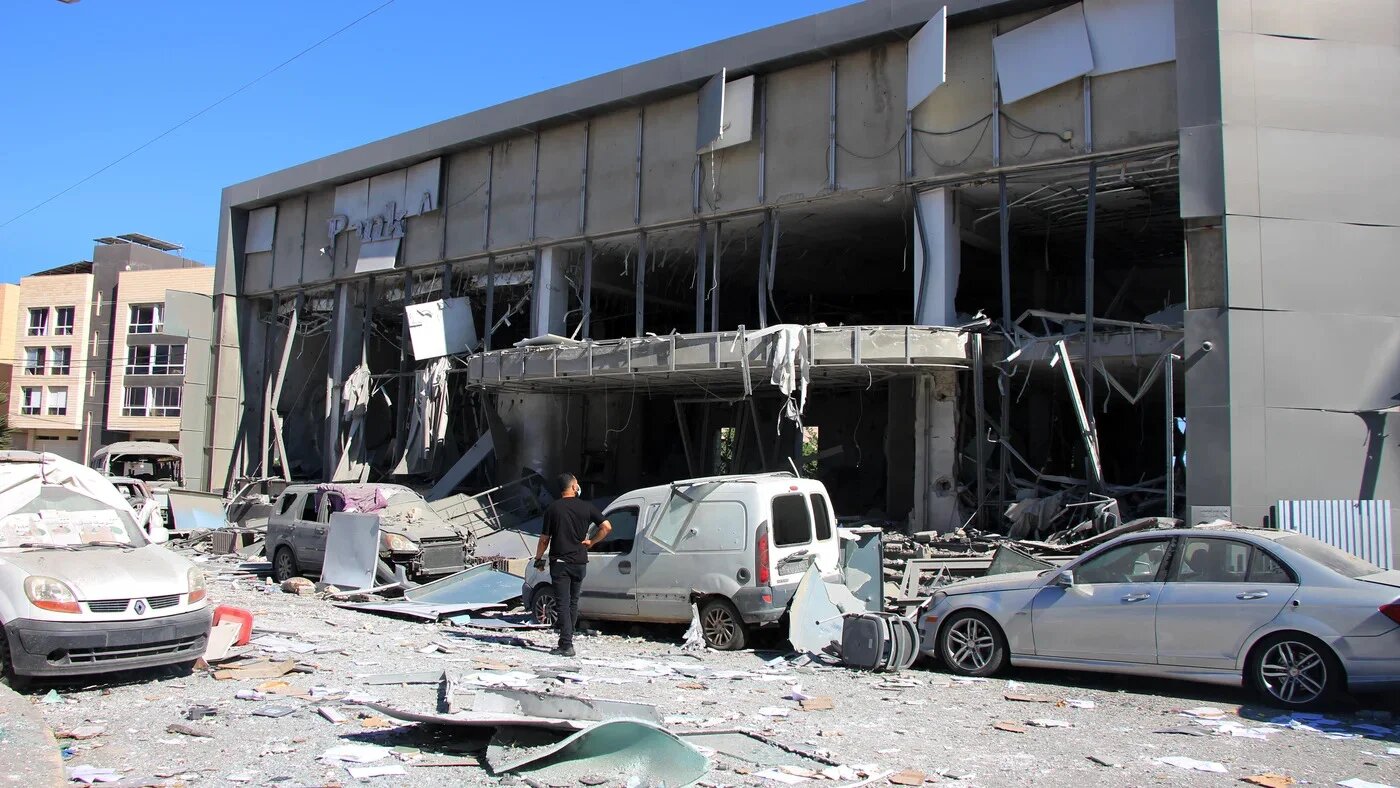
In a separate but related regional incident, Israeli airstrikes on southern Lebanon on Saturday resulted in the deaths of nine people, among them three members of the Lebanese military. This incident adds another layer of complexity to the already volatile regional landscape, demonstrating the interconnectedness of various conflicts in the Middle East. Israel's military stated its operations were directed against Hezbollah, not the Lebanese army, attempting to clarify the target of its actions and avoid a broader confrontation with Lebanese state forces. However, the deaths of Lebanese military personnel show the risks of such operations and the potential for unintended escalation. This incident, while distinct from the Iran-U.S. Clashes, contributes to the overall climate of instability and heightened military activity across the region, where various state and non-state actors are engaged in a complex web of rivalries and conflicts. The simultaneous occurrence of these events suggests a region on edge, where localized conflicts can quickly spiral into broader confrontations.
Official Statements and Warnings
The U.S. Military responded to the incidents by striking some of Iran's coastal surveillance radar sites, directly targeting infrastructure that supports Iran's intelligence gathering and targeting capabilities. Bahrain's government characterized Iran's actions as a "serious escalation," reflecting the immediate threat perceived by its regional neighbors. The U.S. Military condemned the "unwarranted Iranian aggression during the ongoing ceasefire," emphasizing that Iran's actions were unprovoked and violated agreed-upon terms. U.S. Central Command stated that the attack drones posed an immediate threat to regional maritime traffic, noting the danger to international commerce and navigation in the vital waterways of the Gulf. The U.S. Military reported no harm to U.S. Personnel during the events, a key detail that may influence the nature and extent of future U.S. Responses. This absence of U.S. Casualties, however, does not diminish the seriousness of the Iranian provocations.
The official statements from both sides show the deep chasm in their interpretations of events and their respective justifications for military action. While Iran frames its actions as responses to U.S. Aggression and its strikes on Qeshm Island, the U.S. And its allies view Iran's missile and drone launches as unprovoked acts that jeopardize regional stability and international shipping. The differing narratives complicate efforts to de-escalate the situation and highlight the challenges in achieving a lasting peace. The U.S. Military's emphasis on "self-defense strikes" and the protection of "civilian mariners" aims to portray its actions as defensive and necessary for maintaining freedom of navigation and regional security. Conversely, Iran's focus on "brazen and blatant aggression" by U.S. Forces seeks to legitimize its retaliatory measures. The ongoing exchange of military actions and condemnations suggests a prolonged period of tension and potential for further escalation in the strategically vital Gulf region.