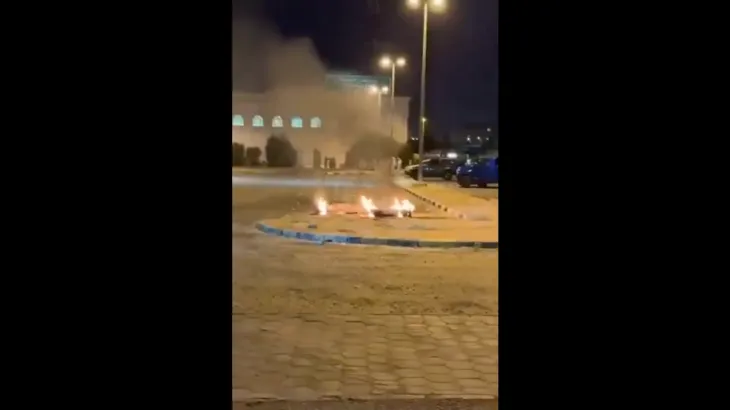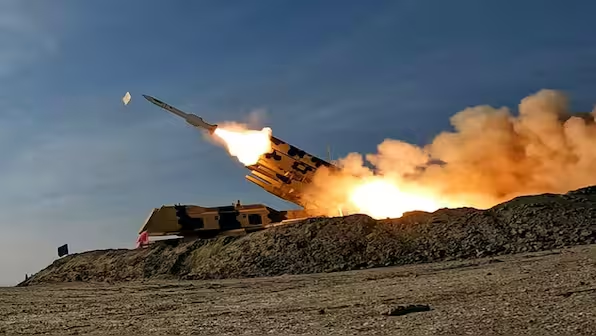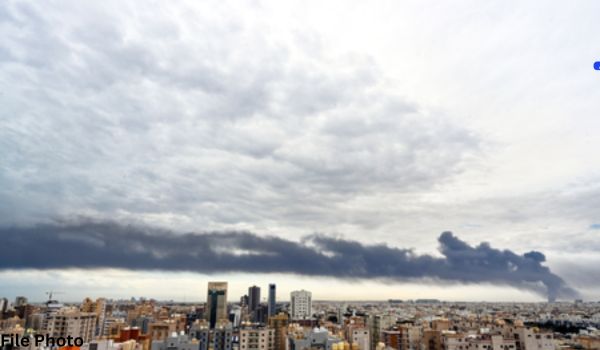
Iranian ballistic missiles and drones struck US military bases in Kuwait and Bahrain in the early hours of June 3, 2026, with Iran’s Islamic Revolutionary Guard Corps (IRGC) claiming responsibility for the attacks. A drone strike penetrated Kuwait’s air defenses to hit the main passenger terminal at Kuwait International Airport, killing one person and injuring at least 63 others. The Indian Embassy in Kuwait confirmed that one of its nationals was the victim killed in the airport strike, a tragic outcome showing the human cost of the escalating conflict. The IRGC specifically claimed responsibility for targeting Ali Al-Salem Air Base and Camp Arifjan in Kuwait, alongside the headquarters of the US Navy’s Fifth Fleet in Bahrain. Iran stated these actions were in response to the U.S. Striking a tanker (M/T Lexie) and a communications tower on Qeshm Island in the Strait of Hormuz, describing the US actions as acts of aggression and warning of further responses.
Escalation and Damage Reports
Kuwait’s Health Ministry confirmed that 63 casualties from the recent attacks were distributed across seven hospitals. This widespread impact notes the severity of the strikes. Of the 63 individuals injured in the strike on Kuwait International Airport, seven required "urgent major surgical procedures," according to Kuwait’s Ministry of Health, indicating critical injuries among the victims. Following the incident, commercial flight operations at Kuwait International Airport were suspended, with incoming aircraft diverted to other regional airports, causing significant disruption to air travel and regional logistics.
Reports indicated that Kuwait's military successfully intercepted 13 ballistic missiles and 17 hostile drones during the latest assault. This strong defensive action prevented further damage and casualties, though some projectiles clearly breached the air defenses. In Bahrain, the military reported intercepting three ballistic missiles and several drones that were targeting "civilian sites," according to a statement from Bahrain’s military, further illustrating the broad scope and intent of the Iranian attacks. The strike on Kuwait’s airport occurred just two days after it had fully reopened, following earlier attacks attributed to Iran, suggesting a pattern of repeated targeting. Reports also noted that a previous drone strike in March had damaged a fuel tank at the airport, causing a fire but resulting in no casualties, indicating that the airport has been a recurring target for such attacks. The repeated nature of these incidents shows the persistent threat faced by critical infrastructure in the region.
Conflicting Claims and Diplomatic Fallout
US Central Command rejected claims by Iran's Islamic Revolutionary Guard Corps (IRGC), asserting that all Iranian attacks against American forces had failed and that missiles and drones aimed at Bahrain and Kuwait were either intercepted or did not reach their intended targets. This strong denial from the US military directly contradicted Tehran's narrative of successful retaliatory strikes. Tehran, however, described US actions as acts of aggression and warned of further responses, maintaining its stance on the legitimacy of its actions. Iranian state-linked agencies reported that Tehran had halted communications with mediators concerning a ceasefire extension, a move that could complicate efforts to de-escalate tensions in the region.
US President Donald Trump publicly disputed the claim about halted ceasefire talks, insisting that talks were continuous. President Trump stated he "couldn't care less" about the Iranian claims regarding communications, dismissing Tehran's statements as irrelevant to ongoing diplomatic efforts. Secretary of State Marco Rubio testified that Iran was showing "new flexibility" on its nuclear program, agreeing to discuss previously refused aspects. This potential shift in Iran's negotiating position, if confirmed, could open new avenues for dialogue. Rubio maintained Washington’s position of zero enrichment as an absolute condition for any potential deal, reiterating a long-standing US demand. Meanwhile, US and Iranian forces again exchanged fire, further escalating tensions, demonstrating the volatile and unpredictable nature of the current standoff. The direct engagements between the two forces highlight the critical need for a de-escalation mechanism.
Regional and International Reactions
The recent strikes caused damage to "vital installations, including diplomatic missions," according to the Kuwaiti government. The statement did not specify which diplomatic missions were affected or the extent of the damage, but the mention of diplomatic sites suggests a broader impact beyond military targets. This report from Kuwait aligns with previous accounts of the wide-ranging impact of the attacks, indicating that the consequences were felt across various sectors and institutions. The targeting of such installations raises concerns about international protocols and the safety of foreign personnel in the region.
Iran, through its state-affiliated channels, asserted that Bahrain and Kuwait bore "direct and clear responsibility" for the earlier US strikes that prompted Tehran's retaliation. This claim suggests an effort by Iran to broaden accountability beyond the United States for the escalating conflict, attempting to place blame on regional partners for hosting US forces. This rhetoric could further strain regional relations and complicate any future mediation efforts.
In addition to the previously reported fatality, several more Indian nationals sustained injuries in the strike on Kuwait International Airport, according to sources familiar with the incident. This information follows initial reports confirming one Indian national was killed in the airport attack, showing the broader human toll of the events and noting the impact on expatriate communities working in the Gulf. The involvement of foreign nationals in the casualties adds another layer of international concern to the ongoing crisis, prompting calls for greater protection of civilian lives and infrastructure. The international community continues to monitor the situation closely, urging all parties to exercise restraint and pursue diplomatic solutions to prevent further escalation.