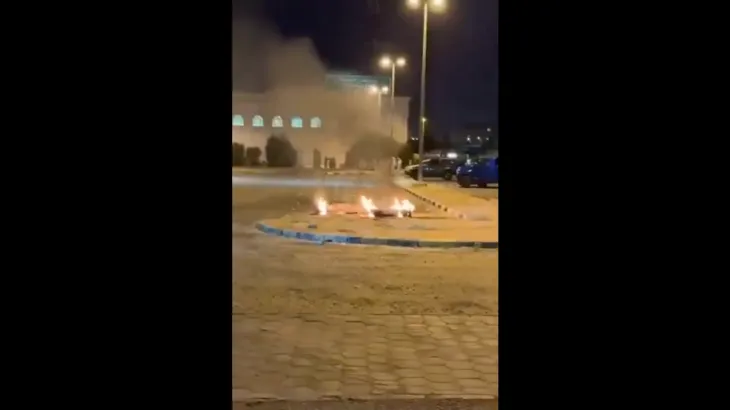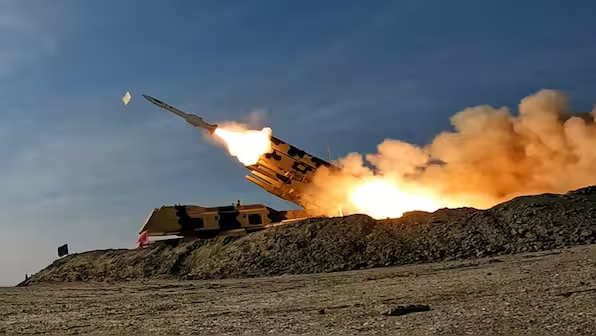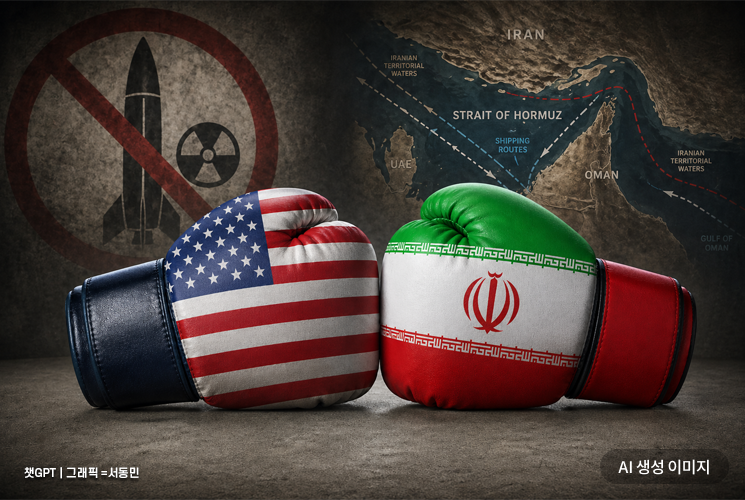
The Islamic Revolutionary Guard Corps (IRGC) announced on June 2 (local time) that it had attacked the U.S. Navy's Fifth Fleet base in Bahrain and a U.S. Air Force base in Kuwait, utilizing both missiles and drones. This declaration from Iran's elite military force detailed specific targets and methods, showing the gravity of the alleged actions. Concurrently, United States Central Command (CENTCOM) reported that it had successfully shot down three attack drones launched by Iran, which were targeting civilian vessels operating in Middle Eastern waters. The successful interception of these unmanned aerial vehicles by CENTCOM notes the ongoing vigilance required to protect maritime traffic in the volatile region.
However, CENTCOM stated that Iran's claims of striking the U.S. Fifth Fleet headquarters in Bahrain and a U.S. Air Force base in the region are not true. This direct contradiction from the U.S. Military command immediately cast doubt on the IRGC's assertions. The command explicitly denied that any U.S. Bases in the area had been hit by Iranian munitions as claimed by the IRGC, indicating a significant discrepancy between the two accounts regarding the alleged attacks on military installations. This stark difference in reporting shows the information warfare often accompanying military tensions in the Middle East, where narratives can be as contested as the events themselves.
US Denies Iranian Claims
United States Central Command (CENTCOM) issued a strong rebuttal to Iran's claims regarding attacks on its bases, stating unequivocally that all of Iran's attacks targeting U.S. Forces have failed. This full denial aimed to reassure allies and deter further aggression by emphasizing the effectiveness of U.S. Defenses. A CENTCOM spokesperson affirmed that U.S. Forces remain vigilant and prepared to counter any further actions, noting the continuous operational readiness of American personnel in the region. "U.S. Forces remain on alert and are prepared to respond to Iran's unjustified acts of aggression," CENTCOM declared, emphasizing the readiness of its personnel to defend against threats in the region and to protect U.S. Interests and partners. The command's statement showed its commitment to maintaining stability and security in an area prone to escalations.
Kuwait's foreign ministry condemned the drone and missile attacks attributed to Iran, signaling regional concern over the incidents. This condemnation from a key regional player added a diplomatic dimension to the military exchange, reflecting broader anxieties about stability. This official statement from Kuwait came as CENTCOM maintained that no U.S. Military installations were successfully struck, further reinforcing the American position. The command's statement directly contradicted the Islamic Revolutionary Guard Corps' (IRGC) assertions of having targeted the U.S. Navy's Fifth Fleet headquarters in Bahrain and a U.S. Air Force base in Kuwait, indicating a clear divergence in reporting between the two sides. The diplomatic condemnation from Kuwait, coupled with CENTCOM's firm denial, painted a picture of a region on edge, carefully observing the unfolding events and their potential ramifications.
US Retaliates Against Iran
In response to Iran's attacks, the United States conducted an airstrike on Qeshm Island in Iran, specifically targeting an Iranian ground control station. This retaliatory strike demonstrated the U.S.'s resolve to respond to perceived aggressions, even as it denied suffering any direct hits on its own bases. Reports indicated there were no U.S. Casualties resulting from this retaliatory airstrike, a detail that was carefully noted to manage the narrative surrounding the engagement. Officials said the U.S. Struck Iranian radar and command and control sites over the weekend, indicating a broader, coordinated response targeting critical infrastructure involved in Iran's military operations. Qeshm Island, reportedly the largest island in Iran, is strategically located in the Strait of Hormuz, a vital international shipping lane. Its geographical importance makes any military action in or around it particularly significant, as it lies at a choke point for global oil supplies. The targeting of facilities on such a strategically important island shows the calculated nature of the U.S. Response and the potential for wider implications in the region.
Regional Tensions Escalate
The recent military exchanges and diplomatic posturing have visibly heightened regional tensions. Oil prices rose 4% on Monday amid the heightened tensions, reflecting global market anxiety over potential disruptions to energy supplies from the Middle East. This significant increase in oil prices serves as a tangible indicator of the international community's concern regarding the stability of the region and the security of key maritime passages. Reports also indicated the head of Iran’s Revolutionary Guards Quds Force threatened to expand its blockade of the Strait of Hormuz to the Bab El Mandeb Strait, another key maritime choke point connecting the Red Sea to the Gulf of Aden. Such a move, if implemented, would have broad consequences for global trade and energy security, amplifying the current crisis. The threat to expand blockades signals an intent to exert greater control over international shipping lanes, a tactic that could further destabilize an already fragile geopolitical landscape.
Against this backdrop of escalating military and economic tensions, Donald Trump announced that Israel and Hezbollah had agreed to "stop shooting" at each other in a mutual de-escalation. This announcement introduced a complex layer of diplomatic maneuvering amidst the direct confrontations between the U.S. And Iran. According to Trump and Lebanon’s embassy in Washington, Hezbollah pledged through intermediaries not to attack Israel, while Israel agreed to refrain from strikes on Beirut and its southern suburbs. This reported agreement suggested a potential, albeit fragile, pathway to de-escalation in one of the region's long-standing flashpoints. Trump stated the conflict had "started to get very boring" and added that he "couldn’t care less" about the specific terms, only that a de-escalation would occur "over the next week." His unconventional remarks, delivered with characteristic bluntness, noted his focus on achieving an outcome rather than delving into the intricate details of the diplomatic process.
However, Benjamin Netanyahu, the Israeli Prime Minister, said Israel would continue military operations in southern Lebanon, directly contradicting the spirit of de-escalation announced by Trump. This divergence in statements indicated the complexities and potential fragility of any proposed ceasefire agreements, especially those brokered indirectly. Early on Tuesday, the Israeli military reported intercepting two projectiles that crossed from Lebanon into northern Israel, further complicating the narrative of a mutual de-escalation. These interceptions served as a stark reminder of the ongoing hostilities despite diplomatic efforts. Hassan Fadlallah, a Hezbollah lawmaker, stated the militia would support a full ceasefire across all of Lebanon as a precursor to the withdrawal of Israeli troops, outlining Hezbollah's conditions for a lasting peace. Officials also said Beaufort Castle in southern Lebanon was captured by Israeli soldiers for the first time in 26 years, marking a significant military development in the region and further showing the active nature of the conflict despite calls for de-escalation.
Broader Diplomatic Fallout
The recent events have also triggered significant diplomatic fallout, affecting broader peace initiatives and international relations. Iranian state media reported that Tehran was halting indirect peace talks with the United States and might end a ceasefire that has largely held since early April. This decision by Iran to suspend diplomatic engagement signals a hardening of its stance and a potential move away from de-escalation, which could have wide-ranging implications for regional stability. The cessation of these talks, which had been a key channel for communication, could further exacerbate tensions between Washington and Tehran. Donald Trump told CNBC the peace talks had "started to get very boring" and that he "couldn’t care less" if they were over. These comments, while dismissive of the diplomatic process, also reflect a certain weariness with protracted negotiations. However, Trump also informed US ABC News that he expected a deal with Tehran "over the next week" to extend the truce and reopen the Strait of Hormuz, indicating a persistent, albeit unconventional, optimism about future agreements despite the current setbacks. This juxtaposition of disinterest and expectation notes the unpredictable nature of U.S. Foreign policy under the current administration.
In other regional developments, a team of 14 UN experts, including the UN’s special rapporteur for Palestine, Francesca Albanese, issued a warning about "surging Israeli settler terror." This alarming report drew international attention to a humanitarian crisis unfolding concurrently with the military tensions. Settler attacks in the occupied West Bank and east Jerusalem have resulted in at least 13 Palestinians killed and close to 500 injured over the past five months, according to the UN experts. These statistics show the severe human cost of the ongoing conflict in these territories. The report detailed a pattern of violence and intimidation that has significantly impacted Palestinian communities, raising concerns about human rights and international law. UN chief António Guterres stated that peacekeepers would be needed in Lebanon after the current mission's mandate expires at the end of the year, emphasizing the necessity of an international presence to maintain stability and prevent further conflict in the volatile border region. This call for continued peacekeeping efforts notes the enduring challenges to peace and security across the Middle East, where multiple conflicts and diplomatic impasses continue to shape the geopolitical landscape. The complex interplay of direct military confrontations, indirect diplomatic efforts, and humanitarian crises paints a picture of a region in constant flux, with each development having the potential to trigger wider repercussions.