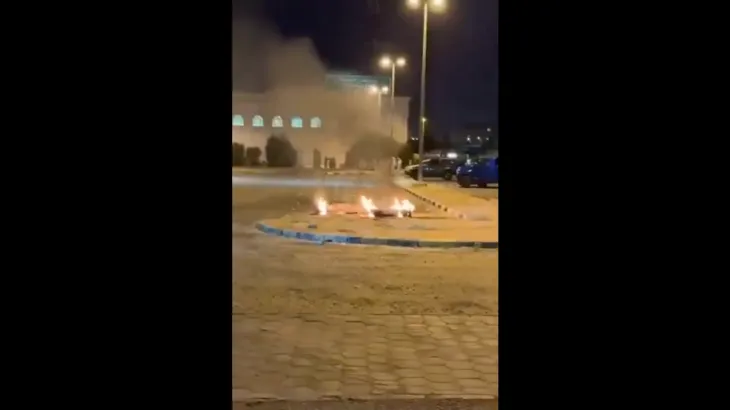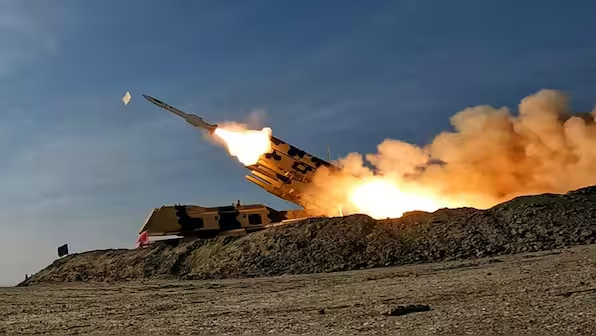
Alarm sirens were activated in Kuwait and Bahrain during the night as Iran launched several ballistic missiles, prompting U.S. And Bahraini forces to intercept projectiles aimed at the Gulf kingdom, which hosts the U.S. Navy's 5th Fleet. The U.S. Military reported that two Iranian missiles disintegrated en route to Kuwait, while multiple drones targeting American forces in the country were downed. These events unfolded amidst heightened regional tensions. Despite these developments, U.S. President Donald Trump indicated that discussions with Iran are progressing as anticipated. Trump mentioned he was "a little bit perturbed" by the missile launches but affirmed that communication channels with Tehran remain open, showing the delicate balance between military action and diplomatic efforts.
Missile Strikes and Interceptions
Missiles targeting the Persian Gulf were intercepted or disintegrated, with Tehran claiming the attack was specifically directed at the U.S. Navy's Fifth Fleet in Bahrain. Kuwait's Defense Ministry reported destroying over a dozen missiles and a similar number of drones originating from Iran. These aerial threats were successfully neutralized, preventing further damage. These actions followed an earlier incident where Iranian drones heavily damaged a passenger terminal, resulting in one fatality and dozens wounded. The war reportedly began on February 28 with U.S. And Israeli strikes on Iran, marking a significant escalation in the protracted regional conflict.
According to India's embassy, the person killed in the passenger terminal attack was an Indian national. Reports indicated that 63 individuals, including passengers and workers, sustained injuries, with some described as serious, noting the human cost of the ongoing hostilities. The damage to the passenger terminal showed the indiscriminate nature of some attacks. In response to the missile launches and the preceding drone attack, the U.S. Military stated it conducted strikes on an Iranian military ground control station located on Qeshm Island in the Strait of Hormuz. This counter-strike aimed to degrade Iran's capabilities and send a clear message regarding the protection of U.S. Interests and personnel in the region. The strikes on Qeshm Island further intensified the cycle of retaliation between the two nations.
Diplomatic Maneuvers and Standoffs
An official indicated that Iran has interrupted communications, further complicating ongoing discussions between the two nations. This interruption poses a significant challenge to de-escalation efforts. Iran is reportedly conditioning the continuation of negotiations on a ceasefire in Lebanon, linking broader diplomatic progress to a resolution in the neighboring country. The declared ceasefire in Lebanon is officially in place, but attacks continue in the region, reflecting the fragility of the truce. Iran insists that any larger potential truce with the United States must quell the fighting in Lebanon, making the situation in Lebanon a critical component of any future agreement.
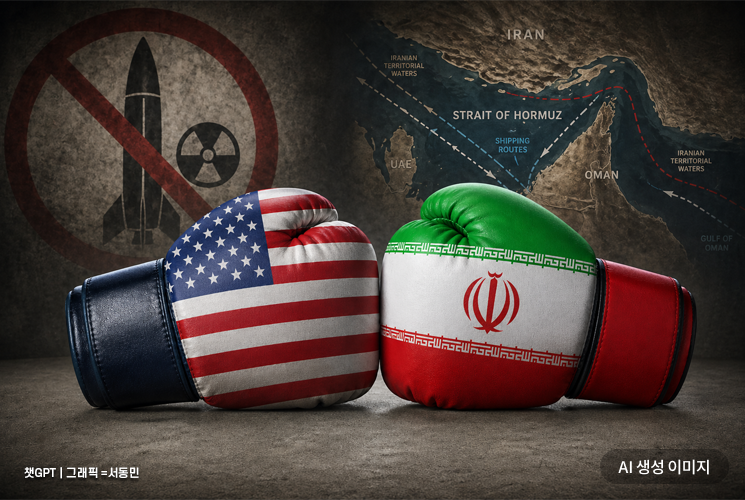
Iran's Foreign Ministry condemned the U.S. Strikes on Qeshm Island, stating that a telecommunications tower was struck during the operation. The ministry called the strikes "acts of aggression" that violated the existing ceasefire, further fueling the diplomatic standoff. Amidst these tensions, Iran maintains its hold on the Strait of Hormuz, a critical shipping lane through which a significant portion of the world's oil supply passes. The strategic importance of the Strait of Hormuz makes any military action in the area particularly sensitive. Concurrently, the U.S. Continues its blockade of Iranian ports, aiming to exert economic pressure on the Islamic Republic. In a related diplomatic development, Kuwait is expelling two Iranian diplomats, signaling a deterioration of bilateral relations between Kuwait City and Tehran.
Regional and Global Ramifications
Israeli Prime Minister Benjamin Netanyahu reaffirmed Israel's unwavering commitment to prevent Iran from obtaining nuclear weapons, a long-standing point of contention and a primary security concern for Israel. This statement shows the broader regional implications of Iran's actions and ambitions. In the United States, Democrats in the U.S. Congress have criticized the administration's handling of the ongoing conflict, calling for a more full and effective strategy to address the escalating situation. Secretary of State Marco Rubio stated that possibilities for peace exist but explicitly excluded the lifting of sanctions previously imposed on Iran, indicating that economic pressure will remain a key component of U.S. Policy.
Globally, fuel prices have remained elevated, with the economic and geopolitical effects of the conflict extending significantly beyond the immediate region. The instability in the Gulf, a major oil-producing area, has a direct impact on international energy markets, affecting consumers and economies worldwide. The ripple effects of the conflict are felt across various sectors, from shipping to financial markets, showing the interconnectedness of global affairs. The continuing tensions and military actions in the Persian Gulf region present a complex challenge for international diplomacy and stability.