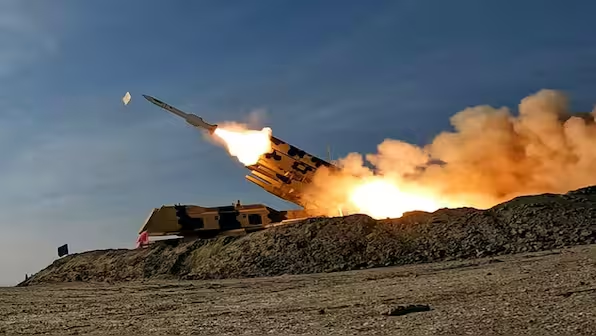
US Central Command (CENTCOM) announced that U.S. Forces shot down Iranian missiles and three one-way attack drones that Iranian forces fired toward civilian mariners. The command specified that these projectiles were launched by Iranian forces. U.S. Personnel also downed other Iranian missiles and drones, according to the command, indicating a broader defensive posture. CENTCOM described these actions as "self-defense strikes," emphasizing the protective nature of the engagement. The command stated that some of the Iranian projectiles "failed to hit their intended targets," suggesting a degree of ineffectiveness in the Iranian assault. These significant events were reported on June 3, 2026, noting a critical moment in regional tensions.
Iranian Attacks on Gulf Nations
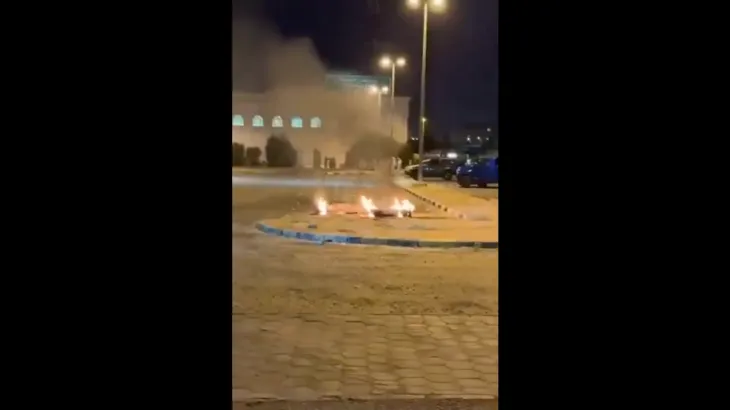
The missiles and drones were fired toward the sovereign territories of Kuwait and Bahrain, according to reports, directly threatening regional stability. Tehran launched at least five missiles that "failed to hit their intended targets" in neighboring Gulf countries, as stated by CENTCOM, showing the potential for wider conflict. Two Iranian missiles reportedly fell short or splintered mid-air, indicating technical failures or successful countermeasures, while three others were successfully intercepted by US and Bahraini air defense forces, preventing potential damage or casualties. These interceptions demonstrate the collaborative defensive capabilities in the region. Iranian state media, in a contrasting narrative, broadcast that three missiles struck "enemy bases" in Kuwait, though other independent reports indicated these projectiles did not reach their intended targets, raising questions about the veracity of these claims. The targeting of civilian mariners further complicates the situation, drawing international condemnation for endangering non-combatants.
US Strikes Iranian Military Site
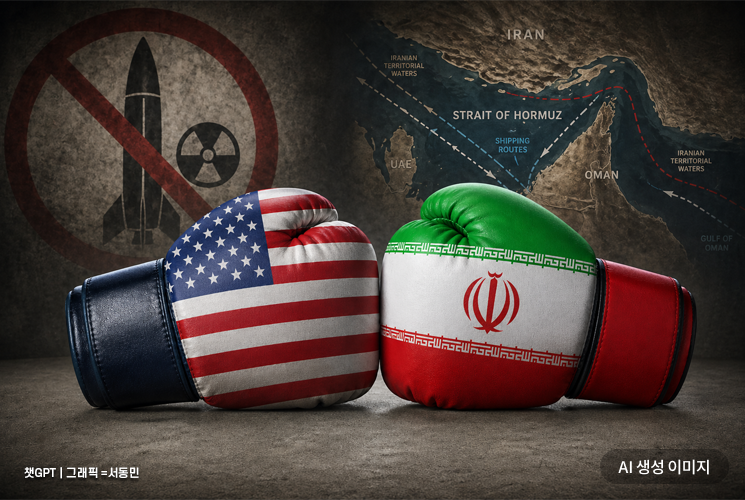
The U.S. Military launched "self-defense strikes" on Qeshm Island, targeting an Iranian military site, according to US Central Command (CENTCOM). These strikes were described by the US military as a direct response to "unwarranted Iranian aggression during the ongoing ceasefire," signaling a breakdown in previous de-escalation efforts. Reports indicated that Qeshm Island serves as a key location for the Iranian regime's ballistic missile housing, making it a strategic target for disabling offensive capabilities. The island is strategically positioned along the critical Strait of Hormuz, a vital international shipping lane, which amplifies the geopolitical significance of any military action in the area. These actions followed earlier incidents where Iranian missiles and drones were fired toward Kuwait and Bahrain, establishing a clear sequence of escalation and retaliation. The U.S. Military's decision to strike a site associated with ballistic missile capabilities shows the seriousness of the perceived threat.
Escalation and Retaliation Claims
The U.S. Military condemned the "unwarranted Iranian aggression during the ongoing ceasefire," according to official statements, reiterating its stance on the provocations. In response, the Islamic Revolutionary Guard Corps (IRGC) characterized its attacks on Kuwait as a reaction to U.S. Forces’ “brazen and blatant aggression” in strikes on Qeshm Island, framing their actions as defensive. The IRGC further issued a warning, stating that Tuesday’s strikes constituted merely an “initial response,” suggesting the potential for further military action and a continued cycle of violence. These renewed strikes occurred just one day after the Islamic Republic destroyed an American drone and directed a drone strike on a U.S. Base located in Kuwait, illustrating a rapid succession of hostile engagements. Firefights in the region have escalated significantly since the IRGC's mine-laying activities spurred American strikes in Bandar Abbas last week, indicating a deepening and broadening conflict across the Gulf. This series of events marks a concerning increase in military confrontation between the two powers.