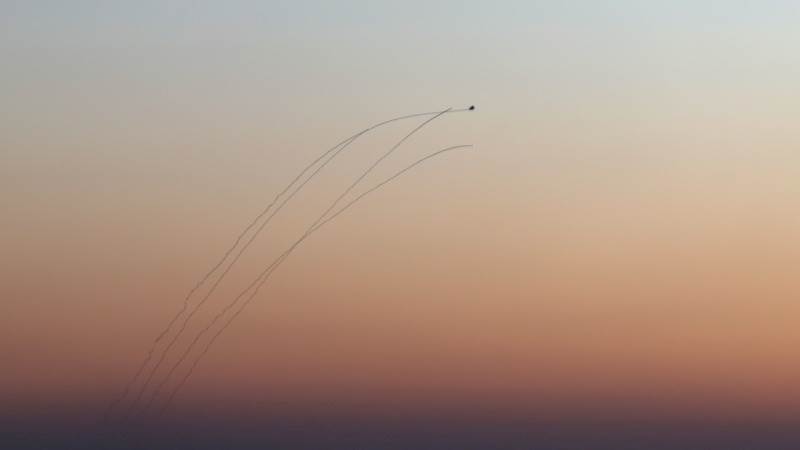
Iran launched ballistic missiles and drones at Kuwait and Bahrain, prompting both nations to report interceptions. Bahrain stated on Tuesday that the projectiles, which included ballistic missiles and drones, were launched from Iran and successfully intercepted. Bahrain specifically stated that Iran fired ballistic missiles and drones at it and Kuwait, and that these had been intercepted by defense systems. These interceptions highlight the sophisticated defense capabilities deployed in the region to counter such aerial threats. Kuwait’s military also confirmed it was intercepting drones and missiles targeting its territory, stating it was intercepting drones and missiles launched at the country. The coordinated nature of these interceptions across multiple nations shows the widespread impact of the Iranian military actions.
Iran’s Islamic Revolutionary Guard Corps (IRGC) claimed responsibility for the attacks, stating its targets included the Ali al-Salem airbase in Bahrain, which hosts the U.S. Navy’s 5th Fleet. The IRGC further specified that it was targeting the Ali al-Salem airbase in Bahrain, where the US navy’s 5th fleet is located. This explicit targeting of a facility hosting U.S. Military assets significantly raises the stakes in the ongoing regional tensions. In response, the U.S. Military conducted strikes against Iranian coastal surveillance radar sites. These retaliatory strikes by the U.S. Military demonstrate a direct and immediate response to the perceived threats. U.S. Central Command (Centcom) reported that six ballistic missiles were intercepted, while a seventh failed to reach its intended target. The successful interception of the majority of these missiles by defense systems prevented potentially widespread damage. There were no reports of harm to U.S. Personnel from the missile attacks. According to reports, there were no injuries to U.S. Personnel resulting from the missile attacks, a critical detail given the nature of the targets.
Regional Condemnation and Defense
The Kuwaiti foreign ministry condemned the recent attacks, describing them as a "serious escalation" and a "flagrant violation of its sovereignty." The Kuwaiti foreign ministry condemned the attacks, calling them a “serious escalation” and a “flagrant violation of its sovereignty.” The ministry further stated that Kuwait reserves the right to defend the country against such incursions. Kuwait's foreign ministry explicitly stated it reserves the right to defend the country, signaling a strong commitment to national security. This declaration from Kuwait emphasizes the perceived threat to its territorial integrity and its readiness to take necessary measures. Bahrain's foreign ministry also called on Iran to immediately cease attacks on its Gulf neighbors, urging de-escalation. Bahrain's foreign ministry called on Iran to immediately cease attacks on its Gulf neighbors, noting the regional call for an end to hostile actions. These condemnations from key regional players show the collective concern over Iran's aggressive posture.
During the attacks, Bahrain activated air raid sirens, instructing residents to move to the nearest safe location and follow official instructions. Bahrain activated air raid sirens and told residents to move to the nearest safe location and follow official instructions, demonstrating immediate protective measures for its civilian population. The implementation of such protocols indicates a high level of preparedness for potential aerial threats. The U.S. Military reported shooting down four Iranian drones launched toward the Strait of Hormuz. The U.S. Military said it had shot down four Iranian drones launched toward the Strait of Hormuz, a key waterway for global oil shipments. These drones were intercepted as they traversed a critical maritime corridor, indicating a broader strategy by Iran to disrupt regional stability. U.S. Central Command, in a social media statement, noted that the attack drones "posed an immediate threat to regional maritime traffic," indicating the broader implications of the assaults beyond direct territorial targets. U.S. Central Command stated on social media that the attack drones posed an immediate threat to regional maritime traffic, showing the danger these unmanned aerial vehicles posed to international commerce and navigation. The combined actions and statements from regional and international entities show the heightened state of alert and the coordinated response to the Iranian military actions.
US Response and Claims
U.S. Central Command (Centcom) refuted Iranian claims regarding damage to the U.S. 5th Fleet headquarters in Bahrain, stating such claims were false. Centcom stated Iranian claims of damaging US 5th fleet headquarters in Bahrain are false, directly countering Iranian propaganda efforts. This swift denial serves to maintain confidence in the operational integrity of U.S. Forces in the region. Iran’s foreign minister, Abbas Araghchi, responded to accusations, stating, “Had Lebanon been a bargaining chip for Iran, we’d have a deal long ago. Save Lebanon from your real foe, Mr President.” Araghchi further added that "one would think it’s Iran that has occupied a fifth of Lebanon, displaced a quarter of Lebanese and is bombing his country on daily basis," attempting to deflect blame and reframe the narrative. These statements from the Iranian foreign minister illustrate the diplomatic back-and-forth accompanying the military actions.
Former President Donald Trump commented on the situation, indicating a firm stance. Trump stated, “The very tough way is maybe the easier way, but we’re going to come out, and your fertilizer prices are going to go way down, just like they were four months ago." This comment suggests a belief in aggressive tactics as a path to resolution and implies economic benefits for the U.S. From such an approach. He also remarked on the necessity of certain actions, saying, “There are things they never thought they’d be doing that they’re going to have to do. They’ve got no choice, and it takes a little while," implying that Iran would be compelled to comply with U.S. Demands through sustained pressure. These remarks from the former President reflect a consistent posture of demanding concessions from Iran.
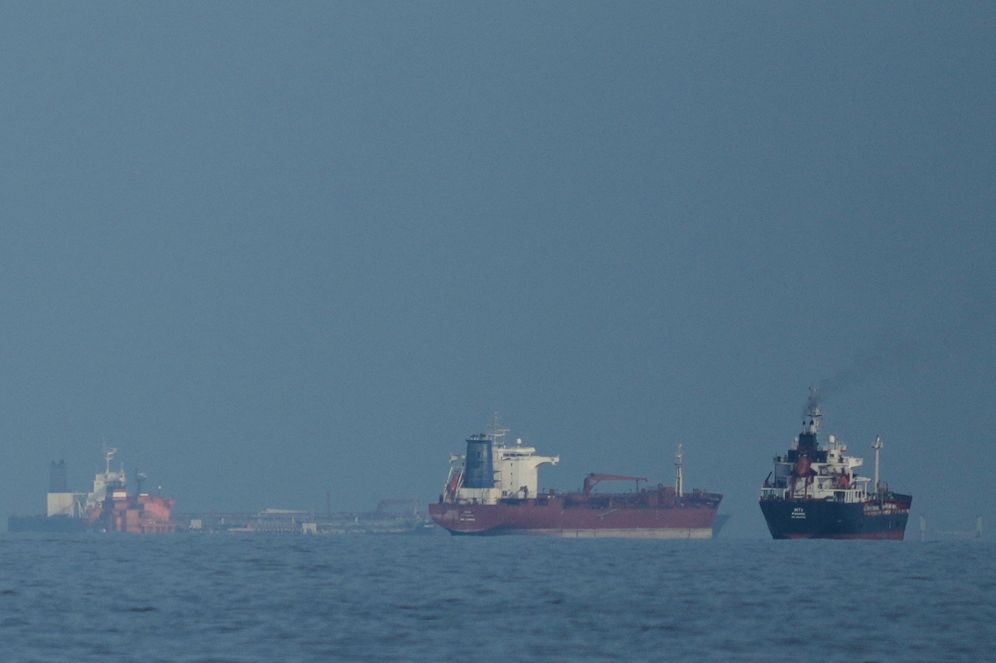
In response to the escalating tensions, the U.S. Military reported boarding a sanctioned oil tanker linked to Iran in the Indian Ocean on Friday. The U.S. Military said its forces boarded a sanctioned oil tanker linked to Iran in the Indian Ocean on Friday, a significant move to enforce international sanctions. This action marked a direct intervention in maritime activities associated with Iranian interests, signaling a strong enforcement of economic pressures. Additionally, the U.S. Implemented new sanctions targeting Iran’s energy sector. The U.S. Also targeted Iran’s energy sector with new sanctions on a group of people, firms and tankers, expanding the economic measures against Tehran. These sanctions were applied to a group of individuals, firms, and tankers, aiming to further restrict Iran's oil revenue streams and exert economic pressure. The combined military and economic measures show a multi-pronged approach by the United States in addressing the ongoing regional instability.
Broader Conflict Context
Israeli airstrikes killed nine people in Lebanon on Saturday, including three Lebanese army soldiers, according to reports. Nine individuals were also reported killed in Israeli strikes on Friday, indicating a persistent pattern of conflict in the broader Levant region. On Friday, the Israeli military struck multiple parts of southern Lebanon and issued evacuation warnings for nine villages, according to reports, signaling an expansion of its operational zone and a concern for civilian safety. The Israeli military said two of its soldiers were wounded, one severely, during an encounter on Friday with militants in southern Lebanon. The Israeli military said two soldiers were wounded, one severely, in an encounter Friday with militants in southern Lebanon, noting the direct engagement between Israeli forces and militant groups. Israel's military stated it was reviewing the incident and clarified that its operations target Hezbollah, not the Lebanese army. Israel's military said it was reviewing the incident and operates against Hezbollah, not the Lebanese army, attempting to delineate its targets and avoid broader conflict with state actors. These incidents show the volatile security situation along the Israel-Lebanon border, a separate but interconnected flashpoint in the region.
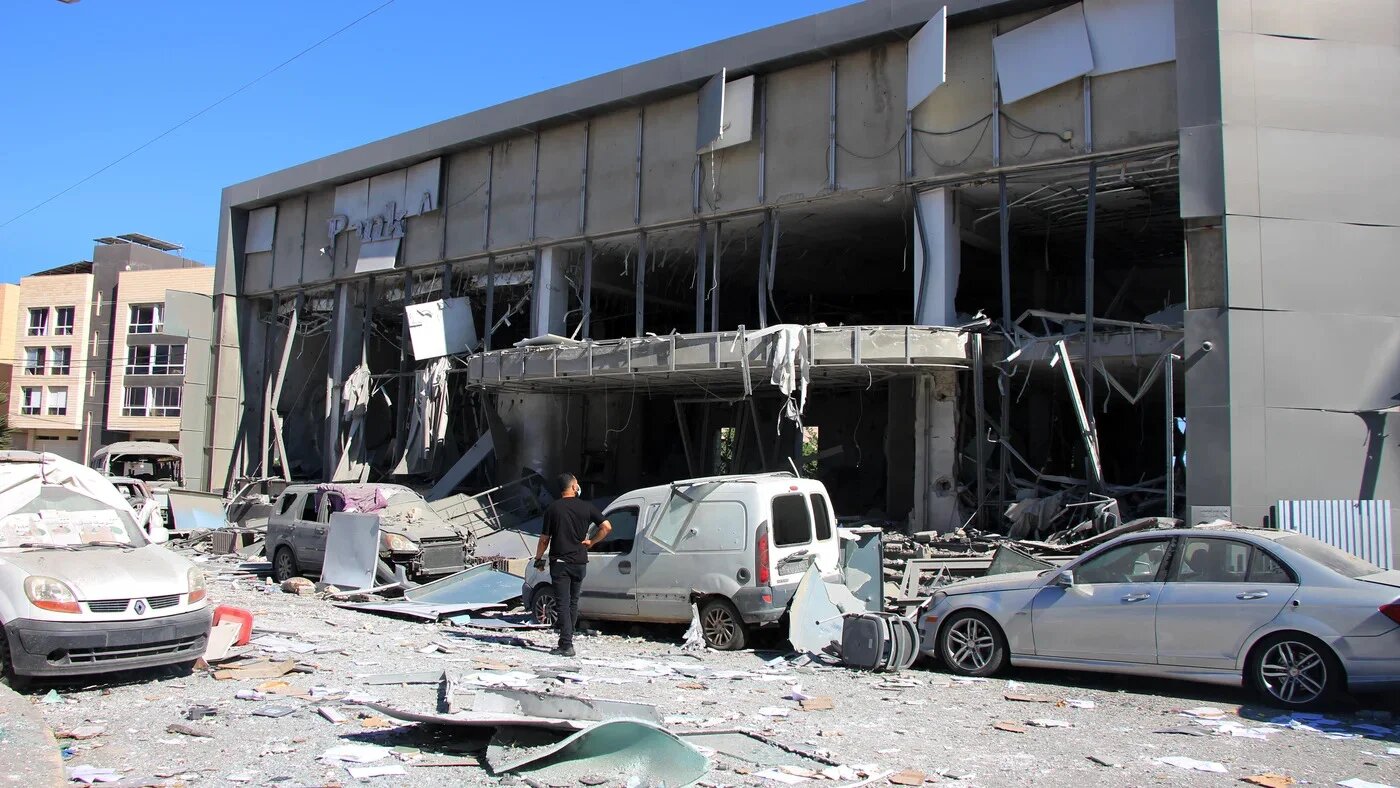
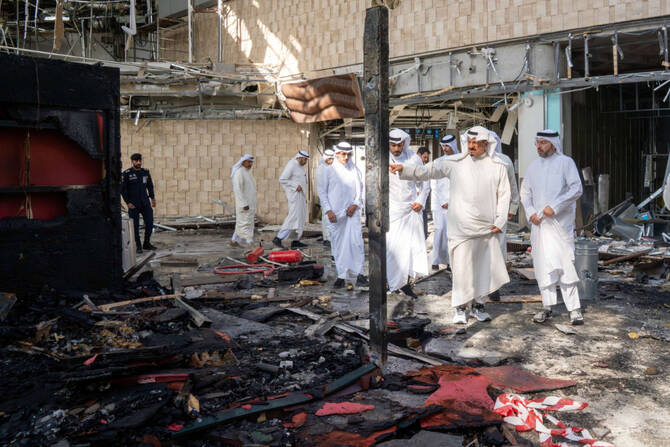
The World Food Programme (WFP) said millions of people were being pushed into hunger due to the Iran war, noting a broader humanitarian impact. This statement from the WFP draws attention to the severe consequences of the conflict beyond direct military engagements, affecting civilian populations across the region. Meanwhile, earlier this week, Iranian drones heavily damaged a passenger terminal at Kuwait’s main airport, killing one person and wounding dozens. This attack on civilian infrastructure demonstrates the indiscriminate nature of some of the recent assaults and the direct human cost of the escalating tensions.
Presidential Statements
Donald Trump told reporters on Friday that “the situation with Iran seems to be going quite well.” He also stated that "we’re going to come out of Iran very quickly and it’s going to be very strong one way or the other, whether it’s a piece of paper or the very tough way." Trump said, “We’re going to come out of Iran very quickly and it’s going to be very strong one way or the other, whether it’s a piece of paper or the very tough way," reiterating his stance on a swift and decisive resolution. According to reports, Trump told NBC’s “Meet the Press” that the delay in reaching a deal was because “it’s a very hard thing for them," suggesting that Iran was facing internal or external difficulties in negotiating. Trump commented that Iran still possessed “percentage wise, maybe 21, 22% of their missiles.” Trump said Iran still had “percentage wise, maybe 21, 22% of their missiles,” offering a specific, albeit unverified, assessment of Iran's remaining military capabilities. These statements collectively provide insight into the former President's perspective on the ongoing conflict and the path forward.