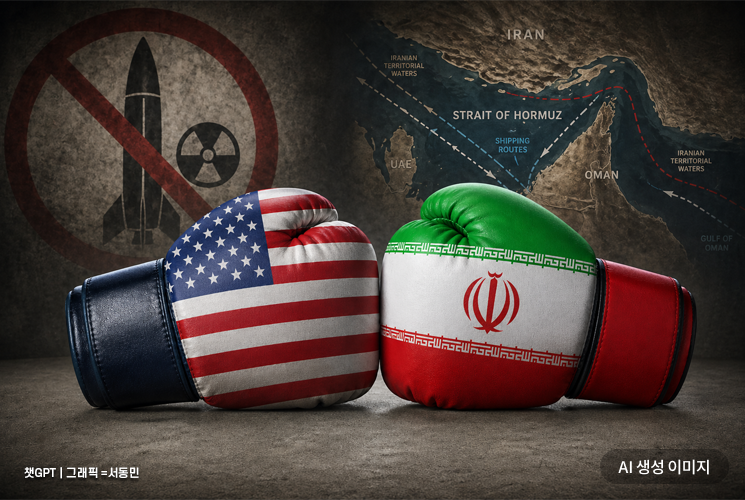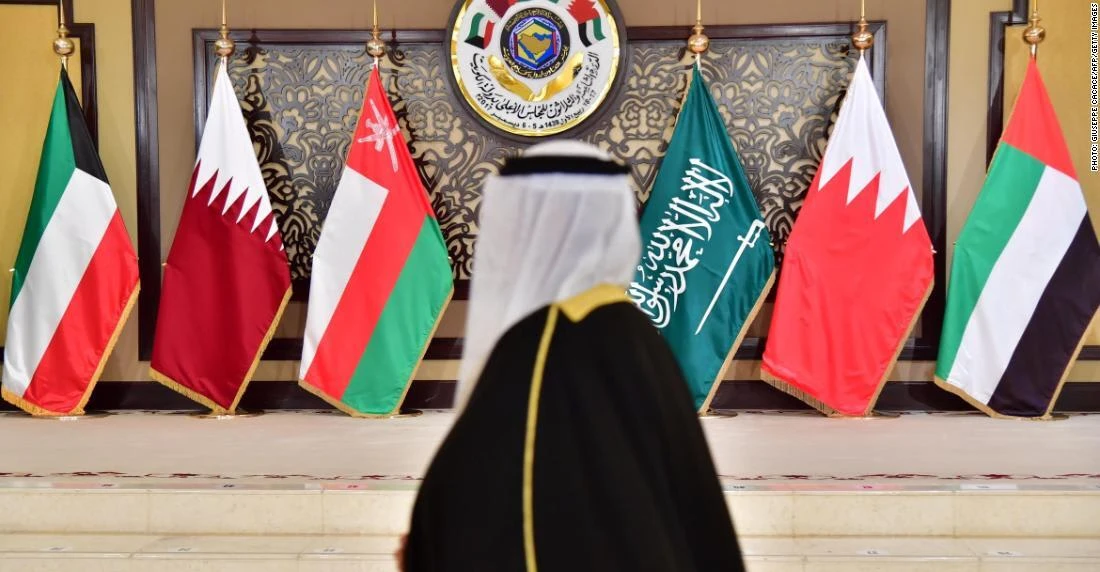
The Gulf Cooperation Council (GCC) has issued a strong condemnation of Iran, accusing the Islamic Republic of pursuing policies that directly threaten the stability and security of Gulf states. The regional bloc specifically denounced the targeting of Bahrain and Kuwait, describing these actions as a dangerous escalation in regional tensions. In a unified stance, the GCC reaffirmed its unwavering solidarity with both Bahrain and Kuwait, emphasizing its commitment to their protection. The Council also expressed its full backing for all necessary measures aimed at safeguarding the territorial integrity and national interests of these member states against any external aggression. This declaration shows the GCC's collective resolve to address what it perceives as serious provocations.
Attacks Spark Regional Condemnation and Concern
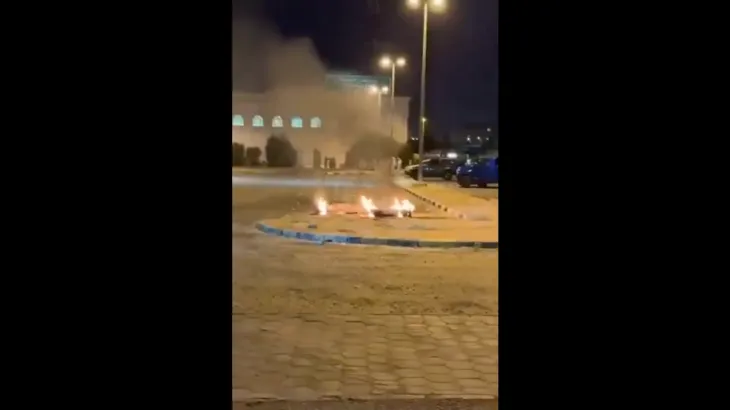
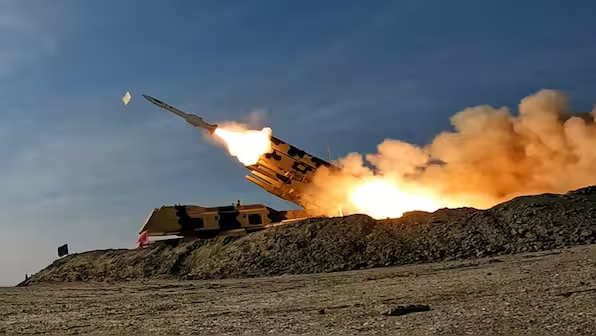
The recent wave of Iranian missile and drone attacks targeting civilian infrastructure across the Gulf has drawn widespread denunciation, notably from Kuwait and Qatar. These assaults have resulted in significant consequences, including strikes on Kuwait International Airport. Tragically, these specific attacks resulted in one fatality and several injuries, according to initial reports, noting the immediate human cost of the escalating conflict. Further details from US Central Command (CENTCOM) revealed that two missiles launched towards Kuwait failed to reach their intended targets, falling short and causing no direct impact. CENTCOM also reported that additional projectiles, explicitly aimed at regional allies, were successfully intercepted, preventing further damage and potential casualties. The precision and intent behind these attacks have raised serious concerns among international observers regarding regional stability and the safety of civilian populations.
Iran's IRGC Claims Responsibility and Justification
In a significant development, Iran’s Islamic Revolutionary Guard Corps (IRGC) publicly claimed responsibility for targeting the headquarters of the US Navy’s Fifth Fleet and a US air and helicopter base located in the Gulf region. The IRGC issued a statement asserting that these actions were undertaken "in direct retaliation for a US strike on an IRGC communications tower on the southern coast of Qeshm Island." This claim positions the IRGC's operations as a direct and proportional response to what it described as a prior attack initiated by US forces. Such declarations from the IRGC show the tit-for-tat nature of the current hostilities and indicate a clear intent to respond to perceived aggressions against its assets. The targeting of US military installations marks a critical escalation in the ongoing tensions between Iran and US forces operating in the Middle East.
GCC's Stance and Call to Action for International Response
GCC Secretary-General Jasem Mohamed Albudaiwi has been vocal in asserting that the recent incidents perpetrated by Iran constitute grave violations of international law, the fundamental principles enshrined in the UN Charter, and established international norms governing state conduct. Albudaiwi showed the severity of these actions and urged the international community to adopt a firm, unified response to counter such destabilizing behavior. He explicitly stated that these persistent threats profoundly undermine regional stability and security, creating an environment of uncertainty and danger for all nations in the Gulf. The GCC, through its Secretary-General, reiterated its unwavering commitment to supporting its member states in safeguarding their sovereignty and national interests against any form of aggression. The organization concluded its statement by calling for collective efforts from all relevant parties to de-escalate tensions and to uphold international agreements and the rule of law in the region. This call to action emphasizes the GCC's desire for a peaceful resolution while reaffirming its readiness to defend its members.