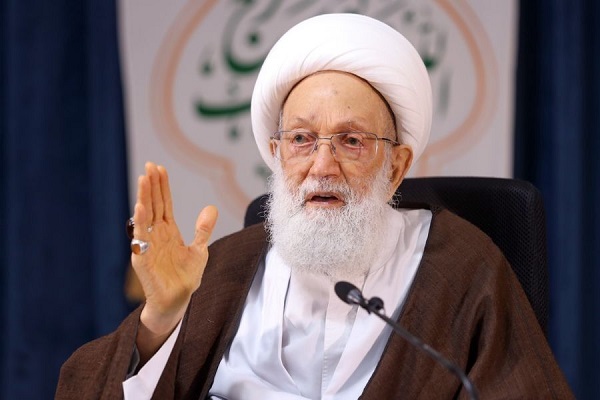
Ayatollah Sheikh Isa Qassim, Bahrain's top Shia cleric, issued a significant warning in a recent message, stating unequivocally that Shia Muslims in the country face a "severe and existential threat." This stark declaration from the prominent religious leader shows deep-seated concerns within the community. He asserted that the political rights of Shia citizens in Bahrain and their general civil rights have been "severely eroded" to a point where "almost nothing remains of them." This erosion, he noted, has reached a critical stage, impacting the daily lives and fundamental freedoms of a significant portion of the population. Sheikh Qassim emphasized the necessity of continued seriousness and unwavering resolve in demanding these fundamental rights, declaring that "the day must come when these rights return to their religious and legal owners." He further elaborated on the scope of this precarious situation, adding that "the fate of the Shia school of thought in Bahrain, its scholars, preachers, writers, teachers, missionaries, and all those who answer the religious and jurisprudential questions of the people, is under an existential and severe threat; a situation that also includes the plight of prisoners, victims of unjust judgments, and others." This full statement notes the widespread nature of the challenges faced by the Shia community.
Erosion of Rights
Ayatollah Sheikh Isa Qassim stated in his message that the political and general civil rights of Shia citizens in Bahrain have been severely eroded, reaching a point where "almost nothing remains of them." This assessment points to a systematic diminishment of fundamental entitlements. He added that the scope of denial of these entitlements has expanded dramatically, indicating a worsening trend over time. The cleric's observations suggest that the rights once enjoyed by the Shia community have been progressively curtailed, leaving them in a vulnerable position. This extensive erosion of civil and political liberties is a central theme of his warning. This assessment comes as the country approaches July 16, 2026, a date relevant to the ongoing situation, though the specific connection was not detailed in the message. The cleric's words serve as a potent reminder of the deteriorating conditions for Shia citizens.
Scope of the Threat
Ayatollah Sheikh Isa Qassim asserted that the very fate of the Shia school of thought in Bahrain is under an "existential and severe threat." This profound assessment extends beyond the general populace to encompass specific vital groups within the community. The threat, according to Sheikh Qassim, includes its scholars, who are central to religious learning and guidance. It also extends to preachers, responsible for disseminating religious teachings, and writers, who contribute to the intellectual and cultural life of the community. Teachers and missionaries, fundamental to education and outreach, are also explicitly mentioned as being under threat. The warning covers all individuals who address the religious and jurisprudential inquiries of the populace, indicating a broad impact on the entire religious infrastructure. Sheikh Qassim specified that the situation also encompasses the plight of prisoners, many of whom are believed to be political detainees, and those affected by what he described as unjust judgments, noting concerns about the justice system. The cleric's message, delivered at 12:15, showed the broad impact of these challenges across the Bahraini Shia community, affecting its spiritual, intellectual, and social fabric.
Context and Implications
Ayatollah Sheikh Isa Qassim's warning regarding an existential threat to the Shia community in Bahrain extends to specific, vulnerable groups within the population. The cleric stated that this threat encompasses the plight of prisoners, indicating a deep concern for those incarcerated. Victims of what he described as unjust judgments are also explicitly included in his assessment of those facing severe challenges, pointing to issues within the judicial system that disproportionately affect Shia citizens. This existential threat also includes the plight of prisoners, victims of unjust judgments, and others, signaling a wide array of individuals and situations under duress. Sheikh Qassim’s message detailed the broad impact of these circumstances, affecting various segments of the Shia community beyond just religious leaders or scholars. This full view suggests a widespread concern about the judicial system and its implications for Shia citizens in Bahrain, where legal processes are perceived to be used against them. The inclusion of "others" further indicates a broad scope of concern affecting the community, implying that the challenges are not limited to specific, named groups but are widespread throughout the Shia population.