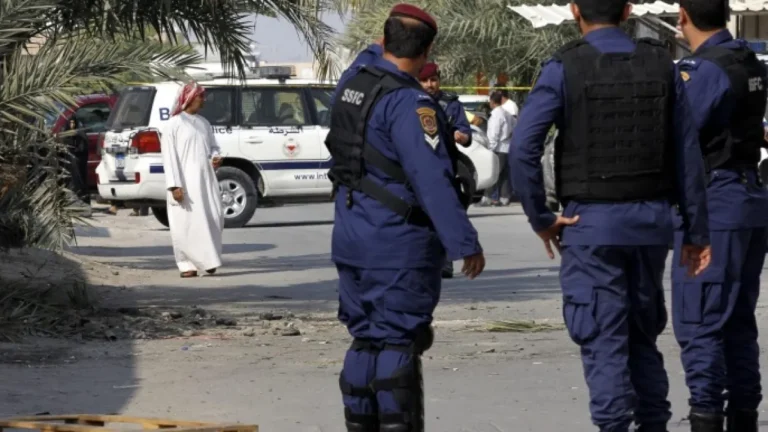
Bahrain has dismantled an organization it claims has links with Iran's Revolutionary Guards Corps (IRGC) and revoked the citizenship of 69 nationals. The Gulf kingdom announced this significant security operation amidst heightened regional tensions. Bahrain's security services arrested 41 suspected members of the group, which is accused of working with Iran's Revolutionary Guards. The government stated the network was involved in hostile activities locally and abroad, posing a threat to national security and stability within the kingdom.
Crackdown Details and Accusations
The crackdown by Bahrain targeted anti-national groups and individuals accused of colluding with foreign extremist and militant groups, according to official statements released by the authorities. These measures are part of a broader effort to counter perceived external threats and maintain internal order. Authorities stated that individuals accused of supporting Iranian actions, along with their family members and dependents, were specifically targeted during the operation. This expansive approach to security measures indicates a full effort to dismantle networks deemed hostile. Most of those affected in this part of the crackdown belonged to the Shia Ajam community, a demographic often viewed with suspicion by the Sunni-led government in Bahrain. The widespread nature of these arrests and citizenship revocations shows the seriousness with which Bahraini authorities are treating these alleged threats.
Regional Context and History
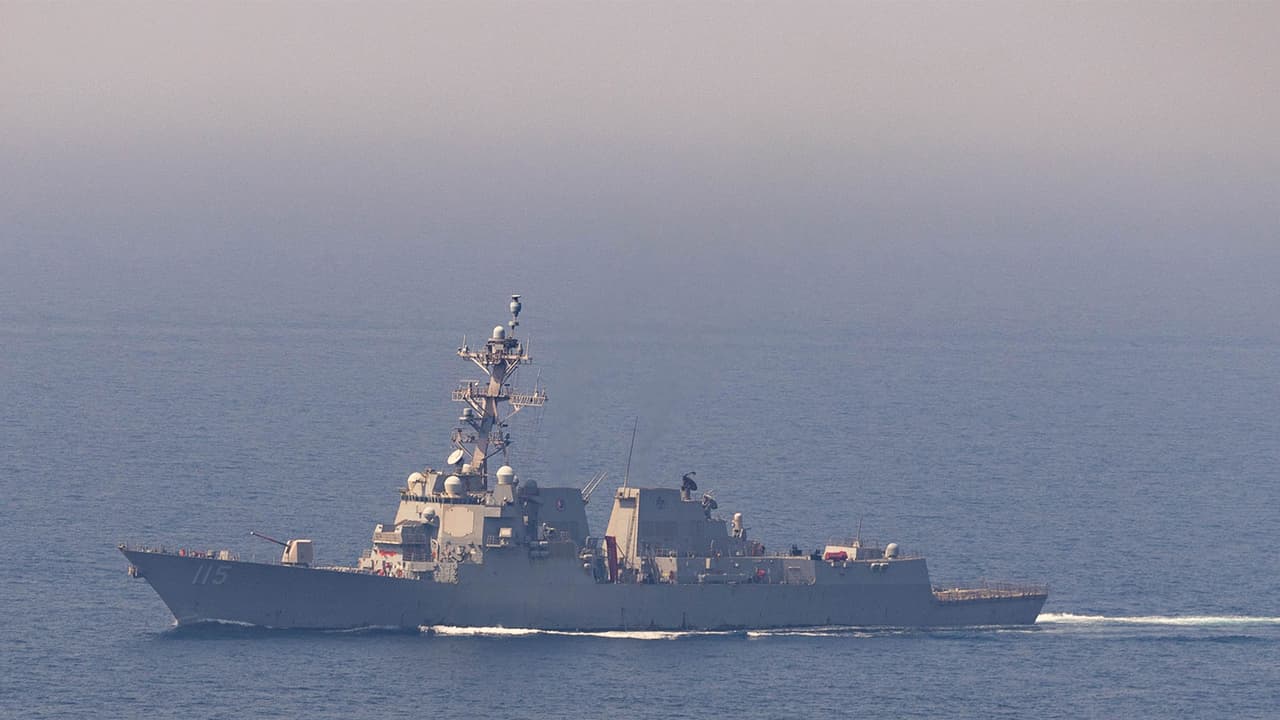
Bahrain stated it was significantly affected by Iranian attacks launched across the Gulf, which Tehran initiated in response to suspected United States and Israeli strikes on Iran. These regional dynamics have created a volatile environment, leading to increased vigilance from Bahraini authorities. Since the conflict began, Bahraini authorities have increased efforts against individuals expressing support or sympathy for Tehran. This crackdown on perceived Iranian sympathizers is a direct consequence of the ongoing geopolitical friction in the region. The Gulf kingdom hosts a major U.S. Military base, a strategic asset in the region that further complicates its geopolitical position and makes it a focal point for regional rivalries. The presence of such a significant military installation notes Bahrain's strategic importance and its alignment with Western powers, which often puts it at odds with Iran.
Official Statements and Response
Bahraini officials stated the dismantled network engaged in "hostile activities locally and abroad," emphasizing the perceived transnational nature of the alleged threat. The Gulf kingdom accused the group of having direct links with Iran's Revolutionary Guards Corps (IRGC), a powerful military and economic organization within Iran. Security services arrested 41 suspected members during the operation, with authorities asserting the network collaborated extensively with the IRGC to undermine Bahraini sovereignty. Bahrain's Interior Ministry indicated the crackdown specifically targeted anti-national groups and individuals accused of colluding with foreign extremist and militant organizations, framing the operation as a necessary defense against external interference. The government also stated that those supporting Iranian actions, along with their families and dependents, were affected by the measures, signaling a broad and uncompromising stance against perceived disloyalty.
Broader Implications
The crackdown in Bahrain and the revocation of citizenship for 69 nationals show the ongoing regional tensions involving the Gulf and the persistent struggle for influence between regional powers. Bahrain's actions against individuals and groups accused of links to Iran's Revolutionary Guards Corps (IRGC) reflect broader concerns about Tehran's influence and its alleged efforts to destabilize neighboring states. The government's targeting of those allegedly supporting Iranian actions, including their families, indicates a widening scope in its security measures, potentially impacting a significant segment of the population. These developments contribute to the complex geopolitical landscape of the Gulf, particularly given the historical dynamics between Bahrain and the Islamic republic, which have long been characterized by mistrust and proxy conflicts. The situation notes the challenges faced by countries in the region as they navigate perceived external threats while attempting to maintain internal stability and national security. The long-term impact of these measures on Bahrain's social fabric and regional relations remains a significant point of observation.