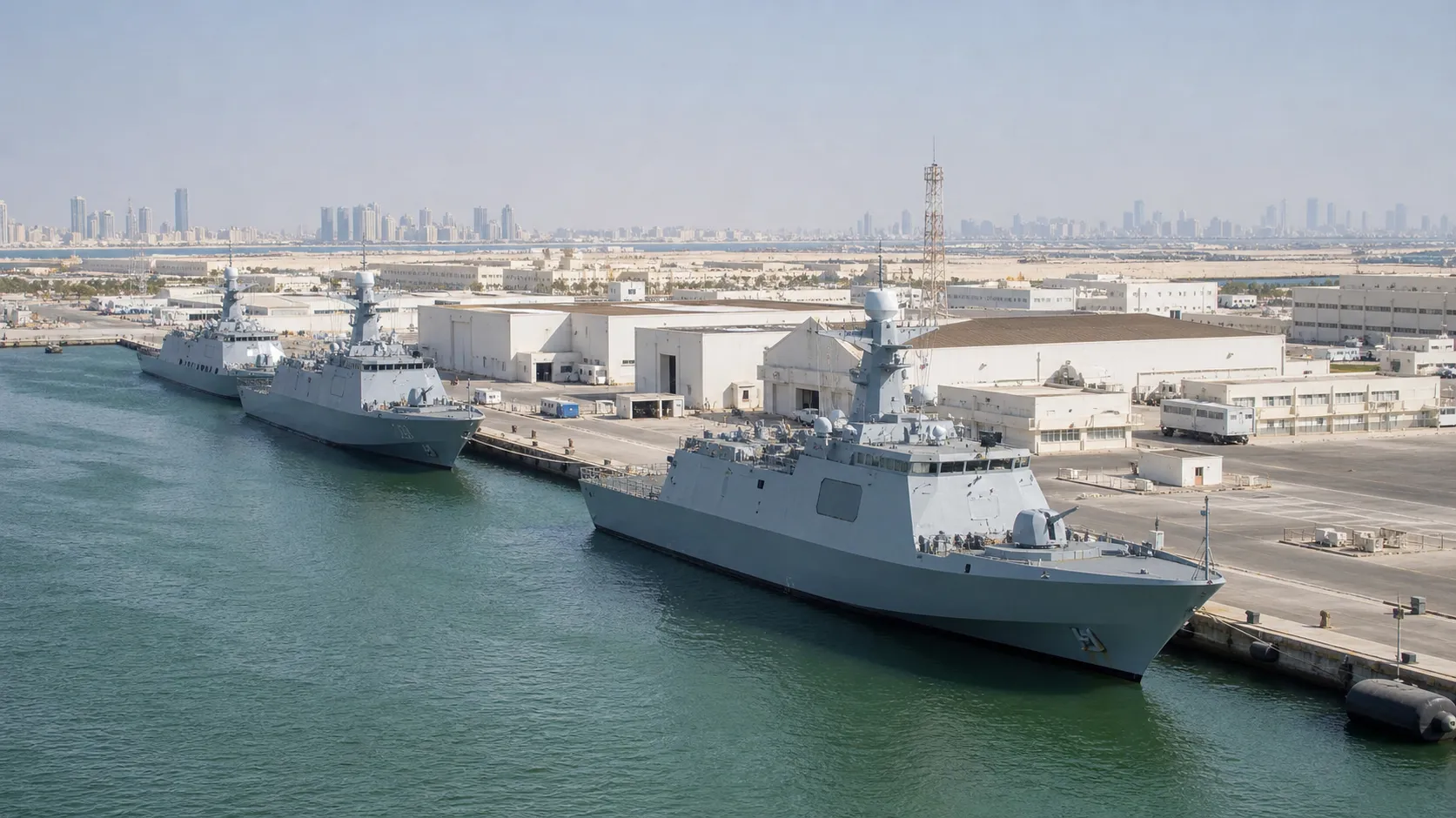
US naval facilities in Bahrain have sustained significant damage due to Iranian attacks, according to reports from Anadolu Agency. The situation unfolds as Hung Cao has been serving as acting US Navy Secretary since April 22. The reports indicate the extent of the damage to installations in the Gulf nation, a critical hub for American military operations in the Middle East. These alleged attacks have raised concerns about regional stability and the security of US assets abroad.
Damage and Fleet Impact
The damage sustained by US naval facilities in Bahrain has also impacted the operations of the aircraft carrier USS Abraham Lincoln. The extent of the damage has led to significant operational adjustments for the US Fifth Fleet, which is headquartered in Bahrain and plays a key role in maintaining maritime security in the region. The disruption caused by these incidents shows the vulnerabilities of military infrastructure to such aggressive actions.
Admiral Daryl Caudle, commander of US Fleet Forces Command, stated that the fleet would not return to Naval Support Activity Bahrain in the near future. This decision was made directly because of the extensive damage to the base, which has rendered key operational areas unusable. The disruption to the base's infrastructure necessitates an alternative strategy for fleet operations in the region, potentially involving temporary relocations or increased reliance on other allied facilities. The US Navy has not yet provided a timeline for when repairs might be completed or when the base could resume full operational capacity, leaving uncertainty about the long-term impact on regional naval presence. This shift in operations notes the strategic implications of the attacks on US military assets in the Middle East, forcing a re-evaluation of deployment patterns and logistical support. The substantial damage reported suggests a significant challenge for the US Navy in maintaining its established operational rhythm in the Persian Gulf.
Official Statements and Context
US President Donald Trump nominated Hung Cao for the post on a permanent basis on September 1. This nomination seeks to formalize Cao's leadership role within the Navy Department. For Cao's confirmation, Congress must grant a special waiver because he left Navy service in 2021. The law generally requires a seven-year break for former military personnel before they can be appointed to lead military departments, a regulation designed to ensure civilian control over the military. This requirement poses a procedural hurdle for Cao's full appointment, necessitating a congressional review and approval process. The nomination comes amid ongoing assessments of naval facility damage in Bahrain and strategic adjustments for the US Fifth Fleet, adding another layer of complexity to the Navy's current challenges. The US Defense Department has not yet commented on the potential timeline for the waiver process or the implications of the nomination for regional operations, but the urgency of leadership in a time of operational disruption is clear.
Conflicting Reports and Reactions
Naval Support Activity Bahrain, the facility reportedly damaged by Iranian attacks, hosts the headquarters of the US Fifth Fleet, making its operational status critically important for regional security. The extent of the damage has prompted the aircraft carrier USS Abraham Lincoln to arrive in Laem Chabang, Thailand. The vessel's presence in Thailand comes after a prolonged deployment of nearly nine months, which included approximately 200 days spent in a combat zone. This extensive deployment period notes the demands placed on US naval forces in maintaining global security. The reassignment of the USS Abraham Lincoln to a port outside the Persian Gulf region suggests a strategic repositioning following the reported damage to key US naval infrastructure in Bahrain, potentially to allow for necessary maintenance or to avoid further risk. The US Navy has not yet publicly addressed the specific reasons for the carrier's port call in Thailand in relation to the alleged attacks, but the timing is notable given the reported damage to its home base in the region.