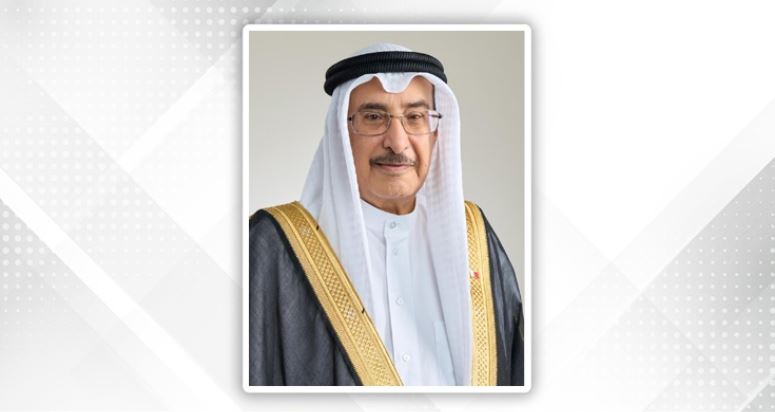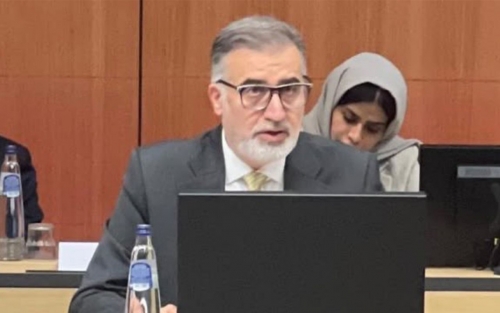
Dr. Mohammed Ali Bahzad, Ambassador of Bahrain to Belgium and Head of the Kingdom's Mission to the European Union, chaired a Gulf Cooperation Council (GCC) delegation this week, engaging in high-level diplomatic discussions. The delegation held key talks with ambassadors from the European Union's Political and Security Committee (PSC), a key body that represents all 27 EU member states and plays a key role in the EU's common foreign and security policy. This significant meeting forms an integral part of the ongoing consultations and coordination efforts between the GCC and the EU, aiming to further strengthen the established dialogue on critical security matters. The engagement shows the deepening collaborative diplomatic initiatives between these two influential blocs, particularly as they prepare for upcoming regional discussions and high-level summits. Such interactions are vital for fostering mutual understanding and aligning strategies on issues of shared concern.
Regional Security Concerns Discussed
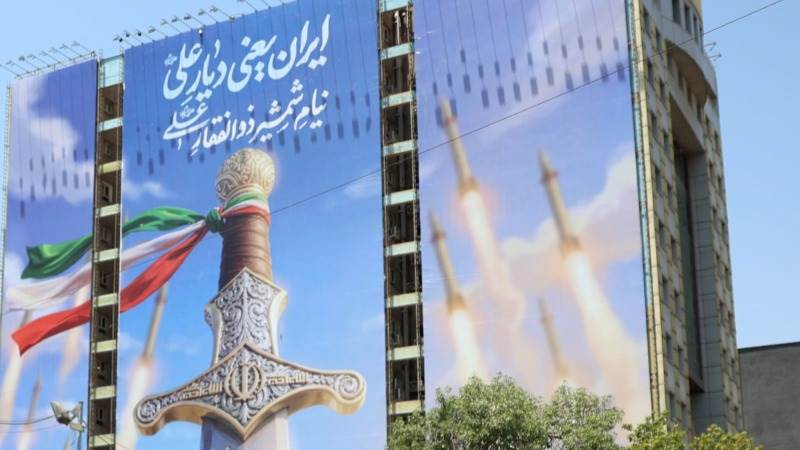
A primary focus of the discussions between the GCC delegation and EU ambassadors was the repercussions of recent Iranian attacks against Gulf Cooperation Council countries. These specific attacks, along with their broader implications for regional security and stability, constituted a central and pressing theme of the talks held in Brussels. Participants in the meeting emphasized the critical importance of respecting the sovereignty and territorial integrity of all states within the region. They also stressed the absolute necessity of rejecting any attacks that specifically target civilian infrastructure, vital facilities, and other essential installations, noting the imperative need for de-escalation and strict adherence to international norms and laws. The delegates showed the shared commitment to upholding international law and promoting a peaceful resolution to regional tensions, recognizing that such attacks pose a significant threat to global stability.
Maritime Security and Navigation
Particular and detailed attention was given to the critical importance of maritime security and the freedom of navigation during the extensive discussions. The strategically vital Strait of Hormuz and the Bab Al Mandab Strait were specifically noted in this context, recognized as critical choke points for global trade and energy supplies. Participants in the talks showed the immense strategic importance of maintaining secure and open waterways through both the Strait of Hormuz and the Bab Al Mandab Strait. They emphasized the necessity of maintaining safe and uninterrupted maritime routes through these key passages, which are indispensable for international trade, global energy security, and regional stability. The free flow of commerce through these straits is a shared interest for both the GCC and the EU, making their security a top priority.
Strengthening GCC-EU Partnership
The meeting between the GCC delegation and EU ambassadors served as a vital platform for advancing the strategic partnership between the Gulf Cooperation Council and the European Union. Discussions specifically addressed a wide array of areas of mutual interest, which included strong maritime security cooperation, enhanced energy collaboration, fostering deeper economic cooperation, and improving connectivity and mobility between the two blocs. These talks are expected to contribute significantly to the preparations for the upcoming GCC-EU Summit, laying key groundwork for further high-level engagement and strategic alignment across various sectors. The delegates explored avenues for joint initiatives and policy coordination, reflecting a shared vision for a more integrated and cooperative relationship.
Upcoming Summit Preparations
The highly anticipated second GCC-EU Summit is scheduled to take place in the Kingdom of Saudi Arabia in October. This high-level gathering will build upon the ongoing dialogue and strategic partnership that has been meticulously fostered between the two blocs, further solidifying cooperation across various critical sectors. The full discussions held in Brussels are laying the essential groundwork for this significant event, ensuring that the summit can achieve substantive outcomes and advance the shared agenda of peace, stability, and prosperity. The preparatory meetings are key for defining the summit's agenda, identifying key deliverables, and ensuring that the high-level leaders can engage in productive and impactful discussions.