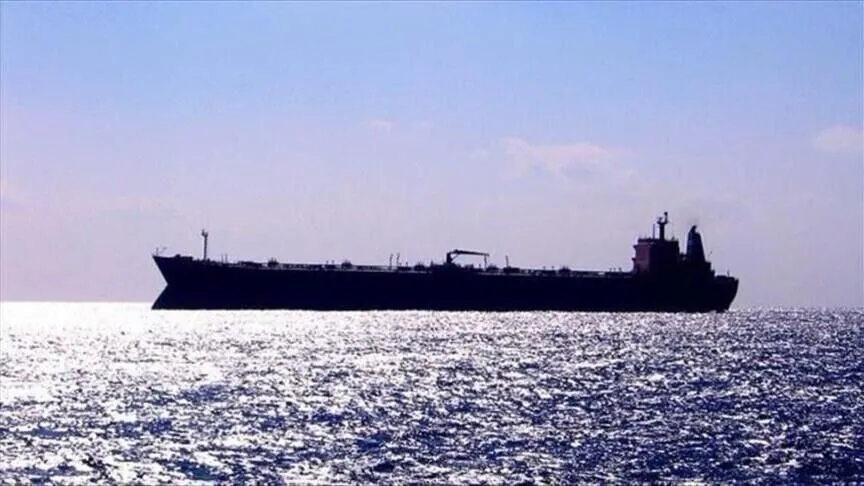
Iran's Islamic Revolutionary Guard Corps (IRGC) Navy on Tuesday issued a warning to oil tanker crews situated in docks in Kuwait and Bahrain, instructing them to evacuate immediately. The IRGC specified its reasoning for the urgent directive, emphasizing the gravity of the situation in the Persian Gulf. The naval force stated that crews were being warned "because they will be targeted," indicating a direct threat to the vessels and their personnel in those locations. This explicit threat marks a significant and concerning escalation from the Iranian military branch concerning maritime activities in the region, raising alarms about potential military actions in international waters. The directive shows the volatile nature of the current geopolitical climate in the Middle East.
Recent Escalation in Gulf
The IRGC's recent warning follows reports that the United States struck an Iranian oil tanker on Kharg Island in the Persian Gulf. This incident, which occurred shortly before the IRGC's declaration, has further inflamed an already tense relationship. The two nations are again experiencing heightened tensions after a series of skirmishes in the Strait of Hormuz and mutual airstrikes, noting a dangerous cycle of provocation and response. These confrontations have contributed to a precarious security environment for commercial shipping. Earlier today, the IRGC Navy claimed it had captured an advanced US unmanned submarine within the Hormuz waterway. The naval force subsequently released footage, which it stated showed the captured US submarine, a move designed to assert its capabilities and control in the strategic passage. These incidents contribute to the increasingly volatile maritime environment in the region, prompting the IRGC's directive for tankers in Kuwait and Bahrain to evacuate. The escalating actions highlight the ongoing strategic competition between the two powers, with maritime security at the forefront of their disputes.
Previous Threats and Warnings
Iran had previously issued a warning to Washington regarding potential repercussions for any assaults on Iranian vessels transporting oil. This prior communication made it clear that Iran would consider attacks on its oil tankers as a direct provocation, necessitating a response and potentially leading to broader conflict. The Islamic Revolutionary Guard Corps (IRGC) Navy's recent directive to tankers in Kuwait and Bahrain follows a history of such warnings, showing the ongoing tensions in the region and Iran's consistent stance on protecting its maritime interests. This previous communication made it clear that Iran would consider attacks on its oil tankers as a direct provocation, necessitating a response. The current warning to evacuate tankers from specific docks in Kuwait and Bahrain aligns with Iran's stated policy of retaliating against perceived threats to its maritime interests, signaling a potential shift from verbal warnings to preemptive action. The explicit threat to target vessels shows a more aggressive posture.
Context of Regional Tensions
The warning issued by Iran's Islamic Revolutionary Guard Corps (IRGC) Navy is set against a backdrop of increasing friction in the Persian Gulf, a critical waterway for global oil shipments. Recent reports indicate that the United States conducted a strike on an Iranian oil tanker located at Kharg Island, an action that Iran views as a direct challenge. This incident contributes to a series of confrontations between the two nations, which have included skirmishes within the Strait of Hormuz, a choke point for international shipping. The two countries are again headed for escalation following these events, alongside mutual airstrikes that have further destabilized the region.
The IRGC Navy has also claimed to have captured an advanced US unmanned submarine within the Hormuz waterway, adding another layer of complexity to the maritime disputes. Footage purportedly showing the captured US submarine was subsequently released by the naval force, serving as a public display of its operational capabilities. These events show the volatile maritime environment in the region and the heightened risk for commercial vessels. Iran had previously communicated a warning to Washington, stating that any attacks on its oil vessels would be met with a response, indicating a firm stance on its sovereign rights and economic interests. The current directive for tankers in Kuwait and Bahrain to evacuate aligns with Iran's stated policy of responding to perceived threats to its maritime interests, suggesting a potential for immediate and forceful action.