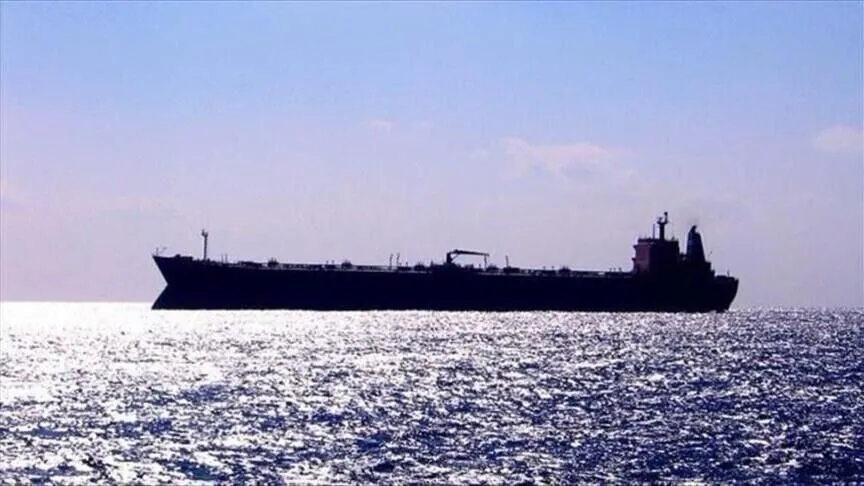
Iran's navy warned on Tuesday evening that oil tankers in Kuwaiti and Bahraini ports would be targeted in retaliatory attacks. This warning came in response to recent US military actions against several Iranian oil tankers, according to state media. "The warning was issued in response to US military attacks on several Iranian oil tankers," Iran's state broadcaster, IRIB, stated. The naval threat indicates a potential escalation in maritime tensions in the region, particularly within the critical waterways of the Persian Gulf.
Naval Warning Issued
The navy called on all crews of oil tankers anchored in ports in Kuwait and Bahrain to leave their vessels immediately. The statement accused Kuwait and Bahrain of hosting US forces and cooperating with them in attacks on Iranian vessels. This warning followed an incident where a vessel was hit near Kharg Island's anchorage area, necessitating the evacuation of its crew. The Iranian navy's strong condemnation of these nations' alleged cooperation with US forces notes the increasing friction in the Gulf. This direct threat to commercial shipping in the ports of neighboring countries marks a significant escalation in Iran's response to perceived aggressions. The recent developments occur after a memorandum was signed in June that envisioned a deal to reopen the Strait of Hormuz. That agreement was intended as a prelude to a wider peace deal in the region, a prospect now seemingly jeopardized by the latest events.
Context of Escalation
The recent naval warning and related incidents unfold amidst heightened tensions between Iran and the United States concerning the Strait of Hormuz. This critical waterway, through which a significant portion of the world's seaborne oil passes, has been a focal point of contention between the two nations. The strait's strategic importance amplifies the impact of any naval threats or military actions within the region, given its vital role in global energy markets. Both countries have maintained a military presence in the Gulf, contributing to an environment susceptible to rapid escalation. The presence of both US and Iranian naval assets creates a delicate balance, where any incident can quickly spiral into a larger confrontation. Iran has previously asserted its right to control the strait if its own oil exports are hindered, showing its long-standing position on the matter. This latest development adds to a series of incidents that have periodically raised alarms about maritime security and regional stability in the Gulf, prompting international concern over the potential disruption of oil supplies and broader geopolitical ramifications.
Specific Incidents
A small Iranian oil tanker was struck by a US missile approximately four nautical miles from Kharg Island in the Gulf, according to Iran's Tasnim news agency. The strike occurred in a critical maritime area, specifically near the island's anchorage area, contributing to the elevated tensions. Following the strike, the crew of the tanker were evacuated from the vessel as a precautionary measure. Despite the vessel being hit, no casualties were reported from this incident near Kharg Island, which is a key oil export terminal for Iran. The precise nature of the missile strike and the extent of the damage to the tanker were not immediately detailed, but the incident itself was a clear act of military engagement.
Separately, the US military attacked a second Iranian oil tanker near the coast of Jask in southern Iran, as reported by IRIB. These incidents show the recent direct confrontations at sea between US forces and Iranian vessels, marking a dangerous turn in their ongoing standoff. The proximity of these attacks to Iranian territory and vital shipping lanes further exacerbates the volatile situation. The attacks form the immediate backdrop to Iran's subsequent naval warnings concerning tankers in Kuwaiti and Bahraini ports, signaling a potential expansion of the conflict's scope to include regional allies of the United States.