The United States has concluded its seventh consecutive night of attacks on Iran, marking an escalation in actions targeting infrastructure. This sustained campaign by the United States has intensified concerns regarding stability in the volatile Middle East region. Iran, for its part, has accused the US of targeting water desalination pumps in the coastal village of Bunji. The alleged strike, according to Iranian authorities, disrupted the drinking water supply to villages in the area, affecting approximately 10,000 residents. This incident follows a series of US operations and Iranian retaliatory claims, contributing to heightened tensions in the region and fueling fears of a broader conflict. The recent actions by both nations represent a significant shift in their long-standing animosity, moving beyond proxy engagements to direct strikes on critical civilian and military infrastructure.
US Strikes Target Infrastructure
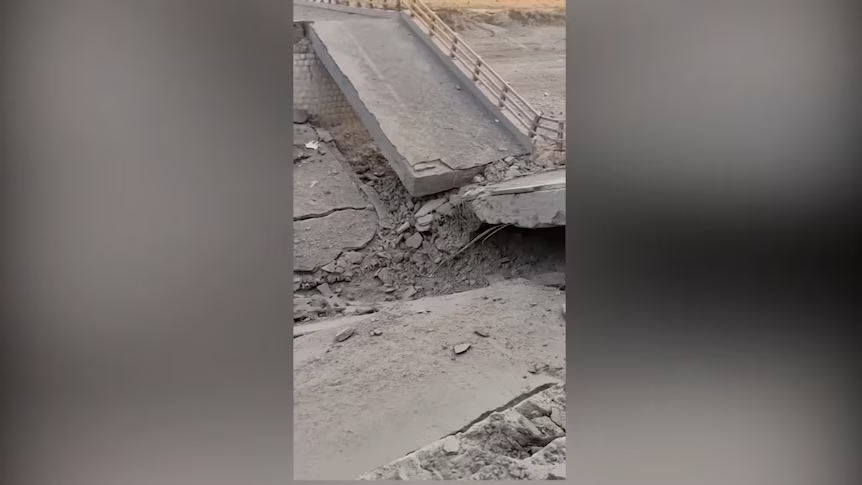
The United States targeted at least five bridges across Iran, including one in Bandar Khamir, in its latest series of operations. These strikes occurred after the July 7 incident, marking a direct response from Washington following a significant escalation initiated by Iran. The US military's Central Command released a statement indicating its targets included 'military logistics infrastructure'. This statement aimed to clarify the nature of the US operations, emphasizing a focus on assets deemed vital for Iran's military capabilities. Simultaneously, explosions were reported in the Iranian cities of Sirik, Ahvaz, and Yazd, though it was not immediately clear if these were directly related to the US bridge strikes or represented separate, possibly coordinated, incidents. The occurrence of explosions in multiple urban centers adds to the atmosphere of uncertainty and fear among the civilian population.
These actions coincide with Washington's decision to reimpose its own blockade of Iranian ports, adding further pressure to the maritime trade routes. The re-establishment of the blockade by the US government aims to restrict Iran's access to international shipping, affecting its economic activities and potentially disrupting the flow of goods into and out of the country. The targeting of bridges and the reimposed blockade represent a significant escalation in the ongoing tensions between the two nations, impacting critical infrastructure and challenging Iran's logistical capabilities. The US administration has justified these measures as necessary responses to what it describes as Iranian aggression and destabilizing activities in the region. The full nature of these US actions, encompassing both physical strikes and economic blockades, indicates a concerted effort to exert maximum pressure on the Iranian government.
Iran's Retaliation and Accusations
Iran responded to recent US actions by launching strikes against power and desalination plants in Kuwait. Authorities in Kuwait stated that one of the country's power generation and water desalination stations sustained a direct hit during an Iranian attack. This strike caused considerable damage to essential infrastructure in the Gulf nation. Kuwait's Ministry of Electricity, Water and Renewable Energy confirmed that several generating units were disconnected to maintain the stability of the power grid following the incident, noting the immediate operational impact of the Iranian assault. The targeting of such critical facilities in a neighboring country further broadens the scope of the conflict, drawing in other regional actors.
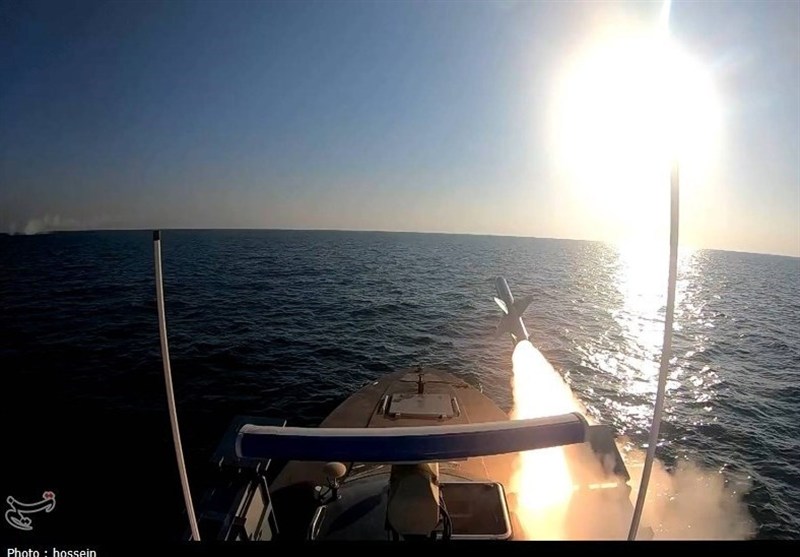
In separate maritime incidents, Iranian media, citing the Islamic Revolutionary Guard Corps (IRGC), reported that two oil tankers exploded and caught fire after traversing a mined route south of the Strait of Hormuz. These explosions, occurring in a vital global shipping lane, immediately raised concerns about the safety of international maritime traffic and the potential for a severe disruption to global energy supplies. Additionally, armed men seized another vessel off the coast of Yemen, an act that further complicates the already precarious security situation in the Gulf of Aden and the Red Sea. These maritime actions by Iran or its proxies demonstrate a willingness to project power and disrupt international commerce in response to perceived provocations. The Iranian navy also fired a shore-to-sea cruise missile towards what it described as a hostile US vessel in the northern Indian Ocean, an incident that showed the direct military confrontation between the two nations beyond the confines of the Gulf.
Escalation and Wider Conflict
The attacks on bridges in the southern port of Bandar Khamir resulted in the reported deaths of seven people, marking a tragic human cost of the escalating conflict. This loss of life shows the severity of the strikes and their impact on civilian populations. A train station in Bandar Khamir was also hit during the recent hostilities, further disrupting essential transportation infrastructure and the daily lives of residents. These strikes on key logistical hubs suggest a deliberate strategy to cripple Iran's internal movement and supply chains. Further reports indicated a strike on an airport in Iranshahr, a province bordering Pakistan, extending the geographical reach of the conflict within Iran and raising concerns about regional stability. The targeting of an airport, a critical piece of transportation infrastructure, signifies a substantial escalation in the nature of the attacks. Following these reports of escalation on Friday, benchmark Brent crude oil prices climbed 3 percent, reflecting the global market's anxiety over potential disruptions to oil supplies from the Middle East. The immediate economic impact notes the broad consequences of military actions in this strategically important region.
In a separate development, Bahrain activated its air raid sirens for a second time on Saturday, indicating a heightened state of alert in the island nation. The Islamic Revolutionary Guard Corps (IRGC) claimed responsibility for attacking a depot of US drones in Bahrain, stating it destroyed Bahrain's main artificial intelligence centre. This claim, if verified, would represent a significant blow to US military assets and Bahraini technological infrastructure, demonstrating Iran's capability to strike advanced targets. Iran's army also announced it targeted fuel tanks on the Gulf island nation of Bahrain, further indicating a coordinated and multi-pronged attack against key infrastructure in a US ally. These actions against Bahrain, a host to a major US naval base, signify a direct challenge to American presence and influence in the Gulf.
The interim agreement aimed at ending the war collapsed on July 7, when Iran struck ships in the Strait of Hormuz. This critical event served as a turning point, leading to the subsequent US air strikes and the current cycle of escalation. Iran has since announced the closure of the Strait of Hormuz, a critical waterway for global oil shipments, a move that threatens to severely impact international energy markets and global trade. The closure of the Strait of Hormuz, if enforced, could trigger a major international crisis, given its strategic importance for the transit of a significant portion of the world's oil supply. The current trajectory of events suggests a dangerous path towards a broader and more destructive conflict in the Middle East, with both the United States and Iran demonstrating a willingness to engage in direct military confrontations and target vital infrastructure.