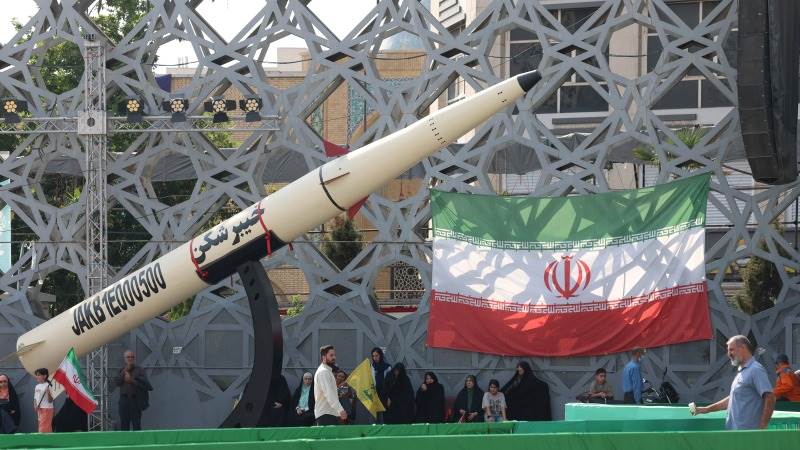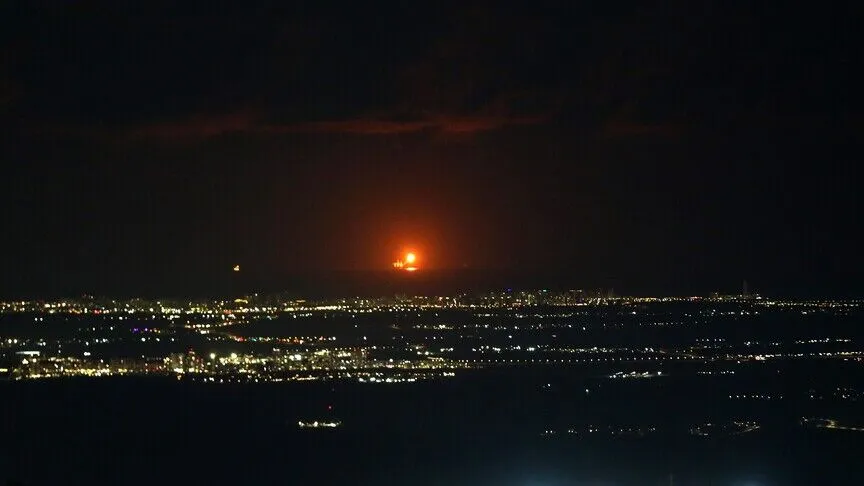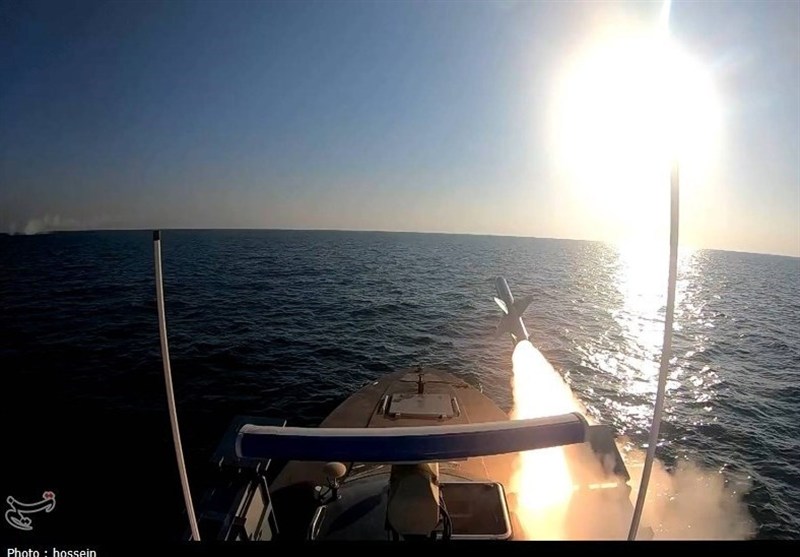
Iran's Islamic Revolutionary Guard Corps (IRGC) announced on Saturday that its Navy conducted attacks as part of the 19th wave of Operation Nasr-2. The IRGC stated the operation targeted an area in Bahrain's Sheikh Isa. This location, according to the IRGC, is used to assemble enemy military aircraft. The strikes were claimed in a statement by the IRGC. The statement from the IRGC on Saturday detailed the scope and targets of these naval operations, asserting their effective execution against specified US installations in the region. The operations represent a significant claim of military action by the Iranian naval forces.
Details of Operation Nasr-2
The Islamic Revolutionary Guard Corps (IRGC) announced its naval forces demolished a US signaling and communications center located in Kuwait. This action was part of the 19th wave of Operation Nasr-2. The IRGC further stated the operation targeted an intelligence data center in Bahrain, identified by the group as "Batelco." These distinct targets highlight the multi-faceted nature of the operation, aiming at both communication infrastructure and intelligence gathering capabilities attributed to the United States. The destruction of the US signaling and communications center in Kuwait was presented by the IRGC as a successful and precise strike by its naval units. The targeting of the "Batelco" intelligence data center in Bahrain showed the IRGC's asserted reach and capability to disrupt perceived adversary operations in the Persian Gulf region.
The operation also targeted a US fleet fuel support pier situated at Kuwait's Mina Al Ahmadi Port. This specific strike against a logistical asset suggests an intent to impact the operational capacity of US naval forces in the area. The inclusion of a fuel support pier among the targets indicates a strategic focus beyond mere symbolic attacks, aiming at tangible military infrastructure. The IRGC's claims detailed the specific locations and types of facilities struck, providing a narrative of a coordinated and impactful military maneuver. The 19th wave of Operation Nasr-2, as described by the IRGC, involved a series of simultaneous or closely timed actions across multiple locations, demonstrating a broad operational scope.
Retaliation for US Aggression
The Islamic Revolutionary Guard Corps (IRGC) stated its operations were carried out in direct response to what it described as attacks by the "child-killing US army" the previous night. This claim positioned the strikes as retaliatory actions. The IRGC has frequently used strong language when referring to US military activities in the region, often employing such terms to galvanize support and frame its actions as defensive. The IRGC’s statement emphasized the retaliatory nature of these naval operations, presenting them as a direct consequence of prior aggressions attributed to US forces. This framing is consistent with the IRGC's public relations strategy, which often portrays its military endeavors as responses to perceived threats or provocations.
The assertion of retaliation shows a heightened state of tension and a readiness to engage militarily in response to perceived threats. The specific mention of "attacks by the child-killing US army" serves to demonize the adversary and justify the IRGC's actions to its domestic and regional audience. This strong rhetoric is a characteristic element of the IRGC's official communications, especially when addressing confrontations involving US military assets or personnel. The IRGC's declaration explicitly linked the timing of its strikes to the alleged US actions, reinforcing the narrative of immediate and decisive retaliation.
Regional Control Maintained
During these operations, the Islamic Revolutionary Guard Corps (IRGC) asserted that it maintained firm control over the Strait of Hormuz. This declaration of control over the vital maritime chokepoint is a recurring theme in IRGC statements concerning its military activities in the region. The Strait of Hormuz is a critical waterway for global oil shipments, and Iran's repeated assertions of control highlight its strategic importance and its potential leverage in regional conflicts. The IRGC's claim of maintaining firm control over the Strait of Hormuz throughout the duration of Operation Nasr-2 serves to project an image of military dominance and strategic capability in the Persian Gulf. This assertion is often made to demonstrate Iran's ability to secure its maritime interests and to deter potential adversaries from interfering with its regional operations. The successful execution of attacks on US facilities while simultaneously asserting control over such a key waterway is intended to show the IRGC's operational readiness and strategic reach.