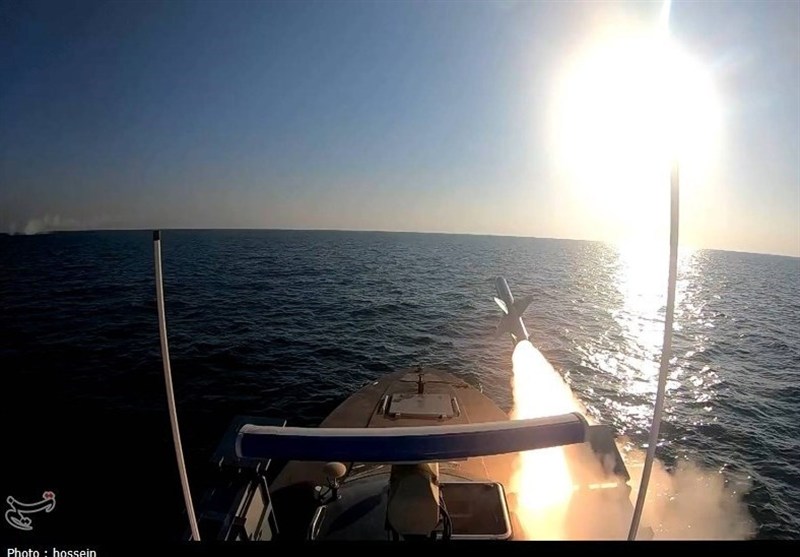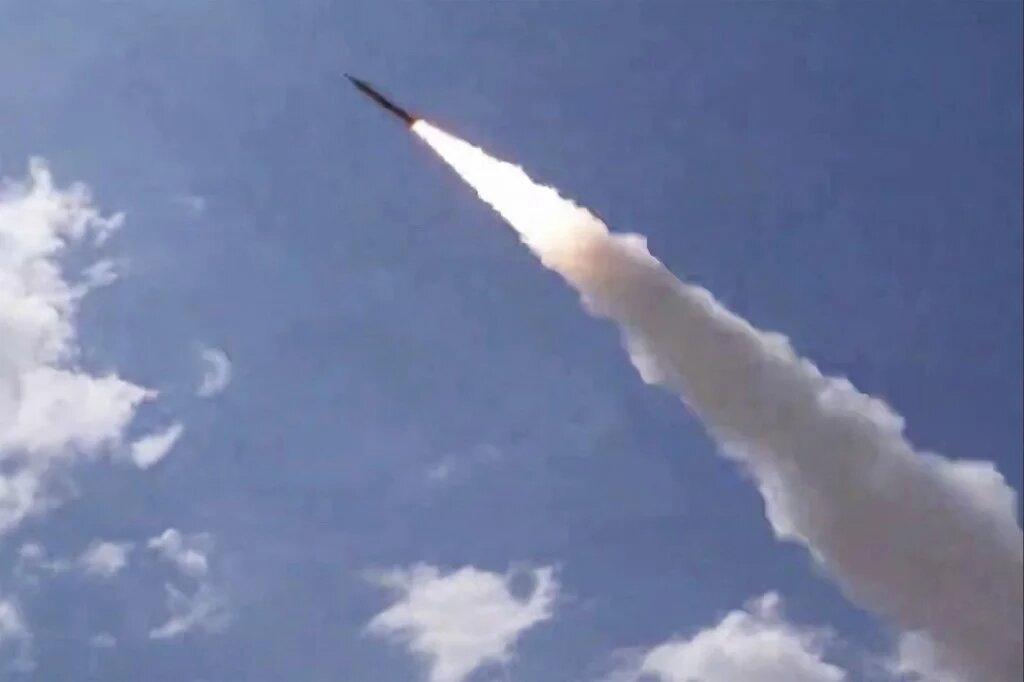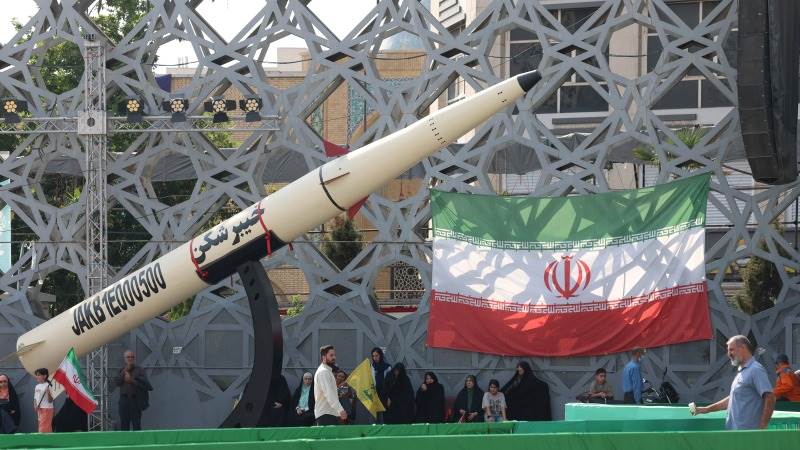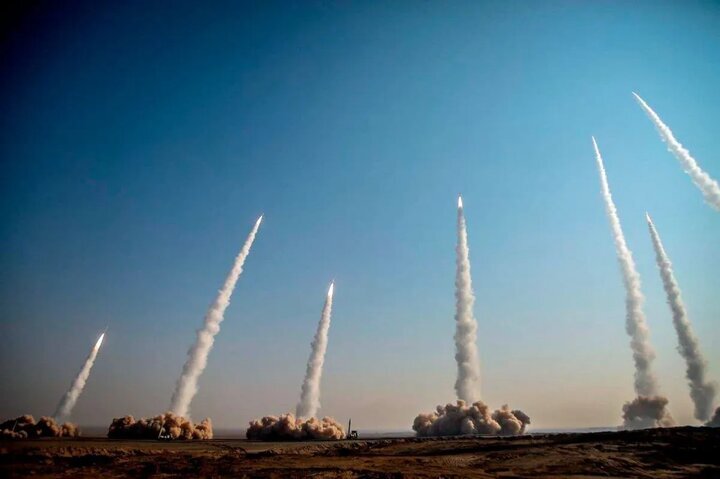
The Iranian Revolutionary Guard Corps (IRGC) Navy has reportedly destroyed a US fleet fuel pier at Kuwait's al-Ahmadi port. This significant action represents the 19th wave of 'Operation Nasr 2', according to official reports from the IRGC. The strikes, which specifically targeted US sites in both Kuwait and Bahrain, signal a notable escalation in regional tensions. The IRGC Navy's operations have consistently focused on infrastructure deemed to be supporting the US military presence in the area.
Specific Targets Detailed
In a coordinated series of attacks, the IRGC struck a critical warplane assembly point located at Sheikh Isa airbase in Bahrain. This operation also targeted a vital fuel support dock situated at Kuwait's al-Ahmadi port. The Iranian Revolutionary Guard Corps (IRGC) further confirmed hitting the enemy aircraft assembly area at Sheikh Isa airbase, as detailed in their statements. Beyond military infrastructure, the operations extended to intelligence assets, with targets including the Batelco intelligence data centre in Bahrain. In Kuwait, a key U.S. Signals and communications centre was also struck during the offensive. These strikes collectively impacted both logistical and intelligence capabilities supporting US operations in the Gulf region.
Operation Context and Claims
The Iranian Revolutionary Guard Corps (IRGC) Navy announced these recent strikes in its 28th official statement regarding ongoing operations. This statement provided a full overview of the targets and the strategic context of the attacks. The IRGC Navy asserted that it maintained "powerful control" over the strategic Strait of Hormuz throughout the execution of these strikes. This claim showed the Navy's continued operational capacity in the vital waterway, even as it conducted concurrent actions against US sites in Kuwait and Bahrain. The statement from the IRGC Navy noted the precision and reach of its forces, emphasizing their ability to conduct complex operations across the region while simultaneously securing critical maritime passages.
IRGC Statement Notes
The Iranian Revolutionary Guard Corps (IRGC) specifically targeted an American intelligence data center and a signals and telecommunications facility, according to official reports. These strikes were part of a broader, multipronged operation designed to retaliate against perceived aggressions. In Bahrain, the Batelco intelligence data center was hit, disrupting intelligence gathering capabilities. Concurrently, a U.S. Signals and communications center in Kuwait was also struck during the IRGC's operations, impacting communication networks. These actions were meticulously detailed in the IRGC Navy's 28th official statement concerning its ongoing operations, which served to inform regional and international observers of the scope and intent behind the attacks. The statement reiterated the IRGC's resolve and capacity to engage US assets.
Broader Regional Implications
The strikes against US sites in Kuwait and Bahrain were reportedly conducted in direct retaliation for overnight United States attacks on Iran. This action by the Iranian Revolutionary Guard Corps (IRGC) Navy marks a significant escalation following recent military engagements between the two powers. The retaliation suggests a broadening scope of conflict, moving beyond specific isolated incidents to a more direct tit-for-tat response between Iranian forces and US assets in the region. The operations show the volatile nature of the current geopolitical landscape, with potential for further reciprocal actions and an increased risk of wider regional instability. The deliberate targeting of both military and intelligence infrastructure indicates a strategic intent to degrade US operational capabilities.