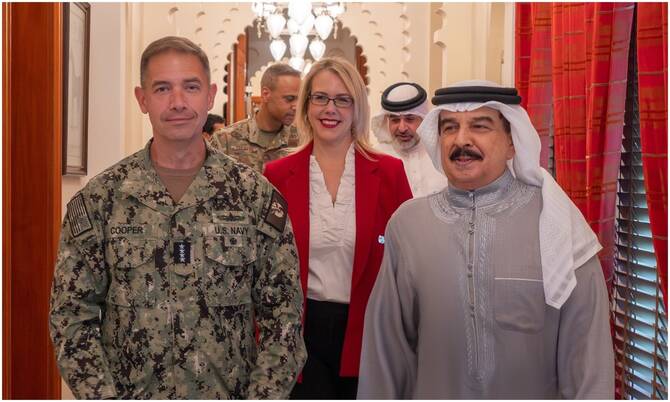
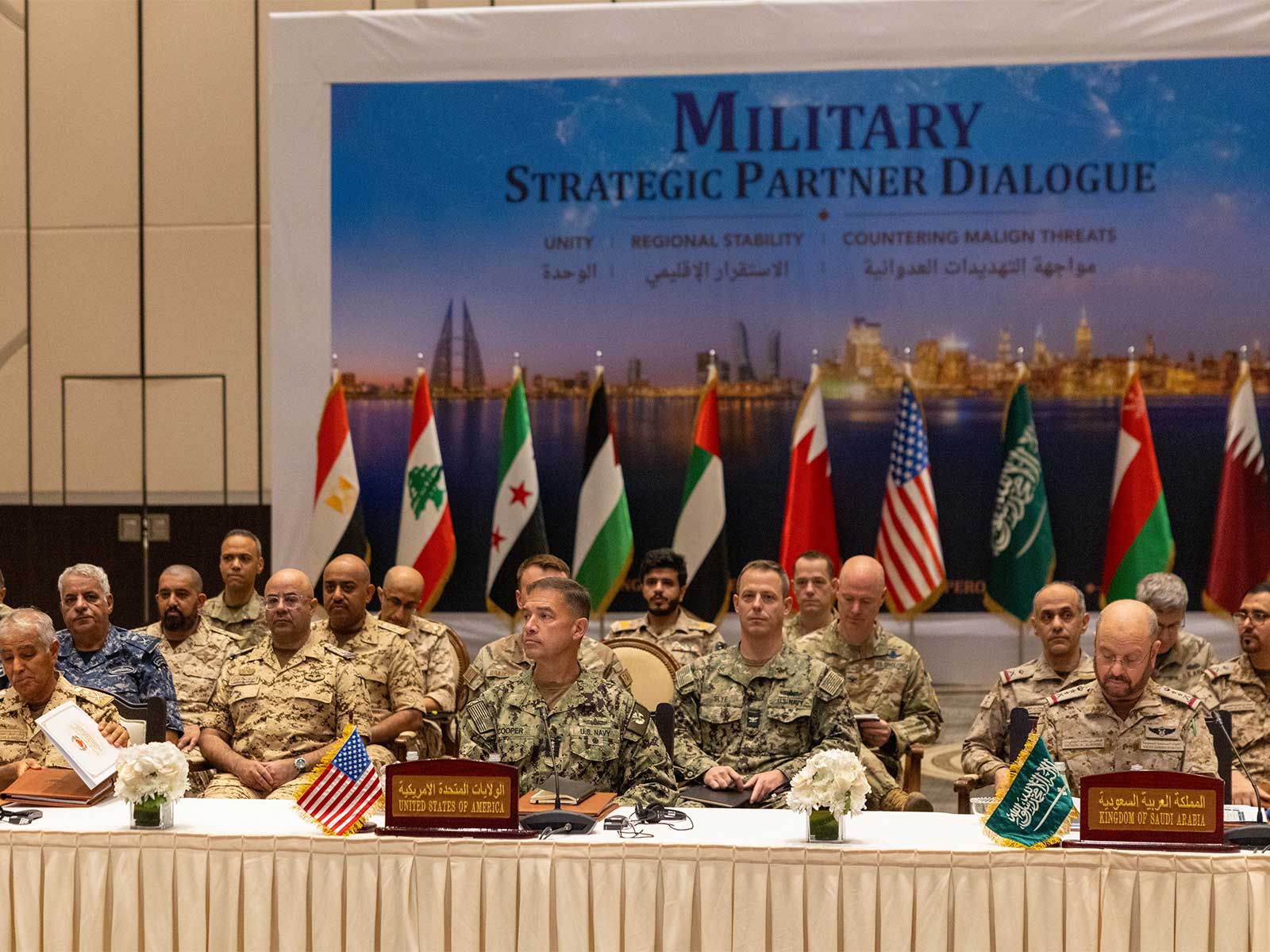
Syrian military officials joined a security dialogue in Bahrain, hosted by US Central Command, alongside representatives from ten other Middle Eastern nations. The conference marked a rare direct engagement between Syrian and American military counterparts, signifying an important step in regional security cooperation. Colonel Ahmad Saeed Issa, director of the Department of International Cooperation within the Ministry of Defense, led the Syrian delegation to this significant event. His participation involved direct discussions with military figures from a wide array of countries including Egypt, Jordan, Kuwait, Lebanon, Oman, Qatar, Saudi Arabia, and the UAE, focusing on pressing regional security concerns and pathways to enhanced stability.
Regional Security Discussions
Syrian military officials engaged in full discussions concerning regional security and prospects for enhanced defense collaboration with their US and Arab counterparts. These discussions involved representatives from Bahrain, Egypt, Jordan, Kuwait, Lebanon, Oman, Qatar, Saudi Arabia, the UAE, and Yemen. The dialogue provided a critical platform for these nations to address shared security challenges and explore potential joint strategies. Participants at the dialogue also confirmed a strong, unified commitment from the United States and 11 Middle Eastern countries to ensuring the free flow of commerce through the vital Strait of Hormuz, showing the strategic importance of maritime security in the region. This collective commitment notes a shared interest in maintaining stability in key international waterways.
Syria's Growing International Role
The Syrian Arab Army participated in the Efes 2026 land, naval, and air forces drills in Turkiye in May, alongside 50 countries from Europe, Asia, the Middle East, and Africa. This extensive military exercise, hosted by a NATO member, provided a significant opportunity for the Syrian military to engage in large-scale multinational operations. Syria's involvement in these exercises marked its first participation in military drills alongside NATO members since the fall of the Bashar Assad regime in December 2024, signaling a notable shift in its international military posture. This engagement signals a broader re-entry for Syria into international military cooperation, extending beyond interactions solely with Arab and US counterparts. The drills provided a key platform for the Syrian military to operate within a diverse multinational framework, indicating an evolving diplomatic and security landscape for the nation and its increasing integration into global security initiatives.
CENTCOM's Perspective
The conference, hosted by US Central Command, was formally titled the “Strategic Military Partners Dialogue.” This designation notes CENTCOM's stated objective to foster cooperation among various regional military forces and build a more integrated security architecture in the Middle East. The dialogue facilitated in-depth discussions on critical security matters and the development of joint strategies among all participating nations. CENTCOM officials indicated the event aimed to strengthen existing partnerships and enhance collective security capabilities across the Middle East, emphasizing a collaborative approach to regional challenges. The engagement with Syrian military personnel occurred within this broader framework, specifically focusing on achieving regional stability and addressing shared security threats. The inclusion of Syrian military leaders in such a high-level dialogue shows a pragmatic approach to regional security from CENTCOM's perspective.
Broader Diplomatic Context
The recent Bahrain dialogue marked the first participation of military leaders from both Syria and Lebanon in a CENTCOM-led event, indicating a significant diplomatic opening and a potential shift in regional dynamics. This engagement occurs as Syria expands its international security affiliations, having become the 90th member of the Global Coalition to Defeat Daesh in November. The Global Coalition, a multinational force established in 2014, focuses on countering the Islamic State group and its affiliates worldwide. Syria's inclusion in these initiatives signals an evolving diplomatic posture and increased interaction with various international security frameworks, reflecting a broader trend of re-engagement with the international community following a period of isolation. This multifaceted approach to security cooperation suggests a new chapter for Syria's role on the global stage.