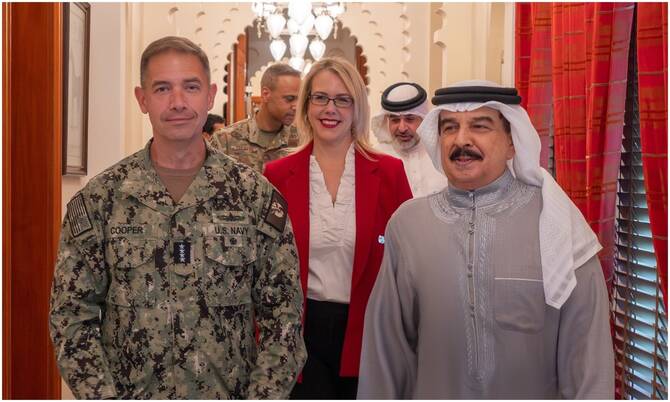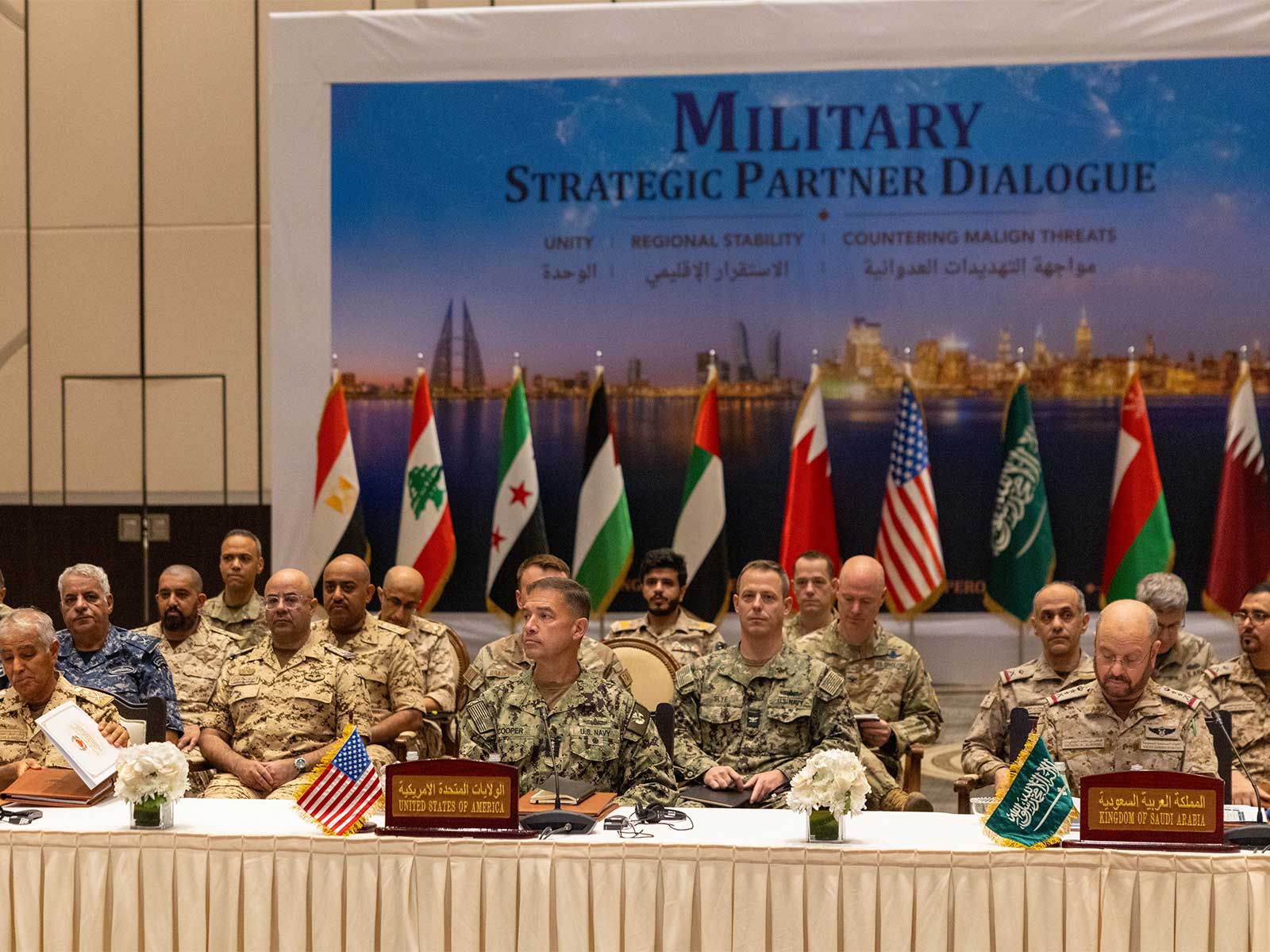
US Central Command (CENTCOM) spearheaded a security dialogue hosted by the Bahrain Defense Force on Wednesday (local time) in Bahrain. The high-level meeting, which took place in the Kingdom, focused on expanding regional cooperation among participating nations. A central focus of the discussions was the shared commitment to safeguard the free flow of commercial shipping through the Strait of Hormuz, a critical waterway for global trade and a vital artery for the world's energy supplies. The dialogue brought together military officials and representatives from various countries in the Middle East, showing the collaborative approach to regional security challenges. This initiative by CENTCOM aimed to foster stronger partnerships and address common security concerns across the region.
Expanding Defense Ties
The dialogue brought together top military officials from 12 nations, marking a significant gathering for regional security. This extensive participation noted a broad commitment to collective defense and stability. Notably, it was the first time military leaders from Syria and Lebanon participated in a regional defense conference led by the United States. Their inclusion expanded the scope of US-led security discussions in the Middle East, signaling a potentially broader engagement strategy for regional issues. The presence of such a diverse group of military leaders facilitated direct communication and strategic alignment on pressing security matters, reinforcing the importance of multilateral cooperation.
Key Security Priorities
Discussions at the conference were led by Adm. Brad Cooper, commander of US Central Command (CENTCOM). His leadership guided the conversations on critical security priorities for the region. Adm. Cooper affirmed the United States' ongoing commitment to its allies in the region, emphasizing the enduring nature of these partnerships. "We continue to stand shoulder to shoulder with our regional partners," Adm. Cooper stated, noting the collaborative nature of the security dialogue and the shared responsibility for regional stability. He further emphasized the collective goals articulated during the sessions, which included enhancing interoperability and intelligence sharing. "The discussions showed our shared commitment to regional security and stability," Adm. Cooper added, summarizing the consensus among participating nations on critical security issues and the determination to counter threats effectively. The dialogue aimed to strengthen mechanisms for addressing common threats and ensuring maritime security, particularly in vital waterways.
Regional Security Landscape
In January, US Central Command (CENTCOM) and several regional countries established a new Middle Eastern Air Defense coordination cell. This strategic initiative was created to facilitate the sharing of vital information and threat warnings among participating nations, thereby enhancing collective air defense capabilities. The establishment of this cell represents a concrete step towards integrated regional security architecture. Separately, Qatar and Pakistan recently concluded individual meetings with both US and Iranian negotiators in Doha. These meetings, held in the Qatari capital, indicate ongoing diplomatic efforts to address various regional complexities and potential points of contention, running parallel to the military security dialogues. These diplomatic engagements complement the military cooperation efforts by providing avenues for de-escalation and dialogue.
Commitment to Stability
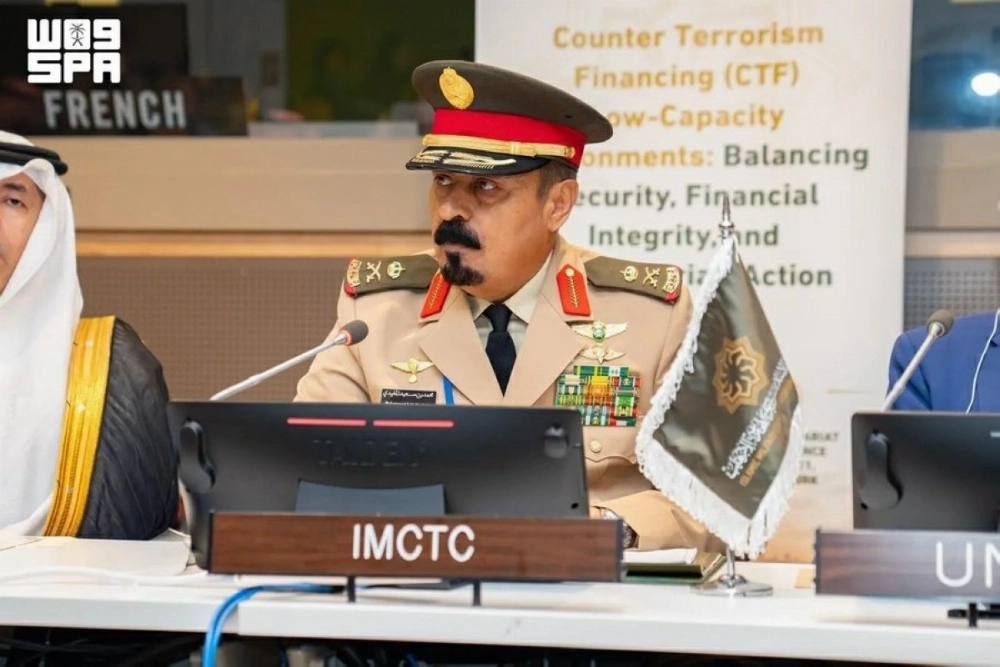
Senior military representatives from Bahrain, Egypt, Jordan, Kuwait, Lebanon, Oman, Qatar, Saudi Arabia, Syria, the United Arab Emirates, and Yemen participated in the dialogue. The breadth of participation showed the regional focus of the security discussions and the collective understanding of shared challenges. Majed Al Ansari, an adviser to Qatar's prime minister and the official spokesperson for the Ministry of Foreign Affairs, was also present among the attendees. His involvement noted the diplomatic and security dimensions discussed at the gathering, emphasizing that security solutions often require a blend of military and diplomatic approaches. The event aimed to reinforce collaborative strategies for maintaining stability across the Middle East, addressing both traditional and emerging security threats through a unified front. The full nature of the discussions and the high-level attendance reflected a serious commitment to fostering a more secure and stable regional environment.