Iranian Foreign Ministry spokesperson Esmail Baghaei criticized the U.S.-backed Regional Security Dialogue convened in Bahrain, dismissing it as "performative posturing." Baghaei stated that the talks were designed to hide what he termed Washington’s destabilizing policies and unlawful actions within West Asia. He further asserted that the United States demonstrated "complete contempt for genuine peace and security" through its involvement in the region. This strong condemnation from Tehran shows its consistent opposition to what it perceives as external interference in regional security matters.
Iran's Core Criticisms
Esmail Baghaei, the Iranian Foreign Ministry spokesperson, stated that the United States has consistently shown "complete contempt for genuine peace and security" in the region. He delivered this criticism in response to the U.S.-backed Regional Security Dialogue held in Bahrain. Baghaei asserted that the Washington-led talks were merely "performative posturing," designed to obscure what he described as the United States' destabilizing policies and unlawful actions within West Asia. According to Baghaei, American involvement in the region demonstrates a disregard for authentic peace and security initiatives, rather than contributing to them. He emphasized that such gatherings, without addressing the root causes of regional instability from Iran's perspective, serve only to perpetuate tensions rather than resolve them. Baghaei's remarks noted a deep-seated mistrust of U.S. Intentions and actions in the strategically vital West Asian region.
Strait of Hormuz Dispute
Iranian Deputy Foreign Minister Kazem Gharibabadi weighed in on the U.S.-led regional security initiative, asserting that the Strait of Hormuz operates under Iranian jurisdiction. Gharibabadi stated that the critical waterway is "defined under Iran’s authority, not U.S. Central Command (CENTCOM)." His comment directly challenged the legitimacy of any U.S.-backed security talks that might impact maritime control or operations in the strategic strait. The deputy foreign minister's remarks showed Iran's consistent position regarding its sovereign rights over the waterway, which is a vital transit point for global oil supplies. Iran has historically viewed any foreign military presence or attempts to dictate terms in the Strait of Hormuz as an infringement on its sovereignty and a threat to regional stability. This stance reflects Iran's determination to maintain control over a key maritime chokepoint.
Context of Dialogue
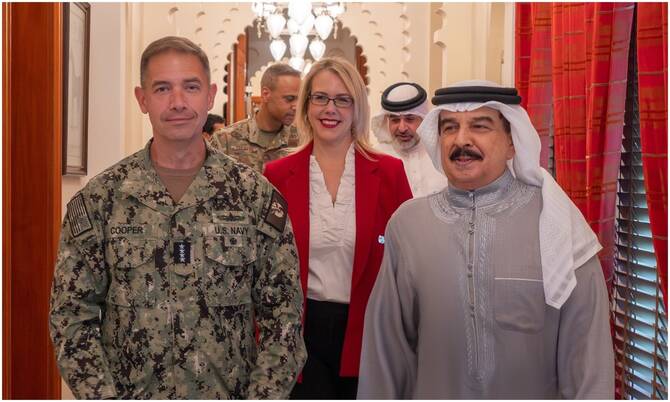
The comments from Iranian Foreign Ministry spokesperson Esmail Baghaei and Deputy Foreign Minister Kazem Gharibabadi directly addressed an announcement by U.S. Central Command. The U.S. Military command had stated it led a regional security dialogue in Bahrain, gathering military representatives from 12 countries. This dialogue served as the backdrop for Iran's criticisms of U.S. Involvement in West Asia and its assertions regarding the Strait of Hormuz. The talks aimed to foster regional security cooperation, prompting Iran's officials to reiterate Tehran's stance on foreign military presence and regional sovereignty. Iran has consistently opposed what it perceives as external interference in the region's security architecture, viewing such dialogues as attempts to establish a security framework detrimental to its interests. The participation of 12 nations in the U.S.-led talks signals a broader effort by Washington to consolidate regional alliances, which Tehran views with suspicion.
Broader Regional Dynamics
Esmail Baghaei urged regional countries to remain vigilant regarding security matters. The Iranian Foreign Ministry spokesperson called on these nations to learn from what he characterized as recent military attacks and actions by the United States and Israel. Baghaei stated that these activities had undermined regional peace and security. He cautioned against reliance on external powers for regional security, advocating instead for an indigenous security framework. This perspective aligns with Iran's long-standing call for regional actors to take primary responsibility for their own security without foreign intervention. Baghaei's remarks showed Iran's belief that the actions of the U.S. And Israel contribute to instability rather than promoting genuine peace. He emphasized the importance of drawing lessons from these events to prevent further destabilization in the West Asian region.