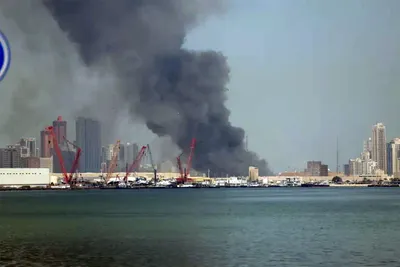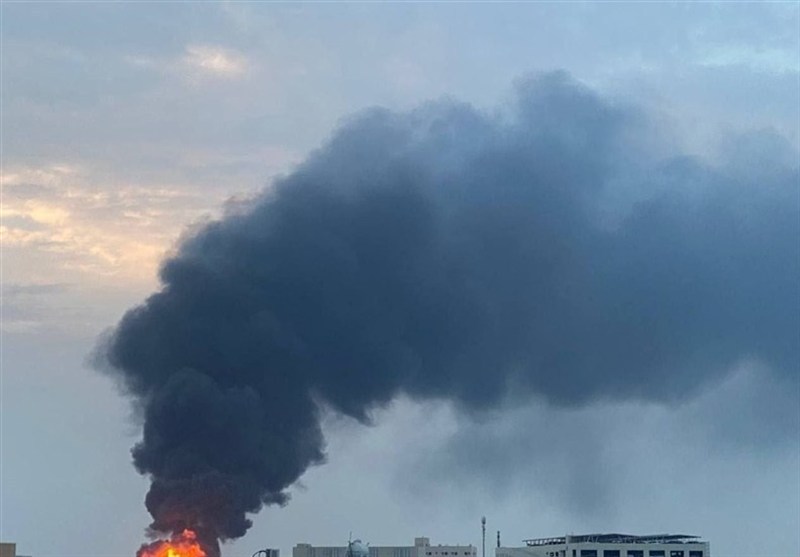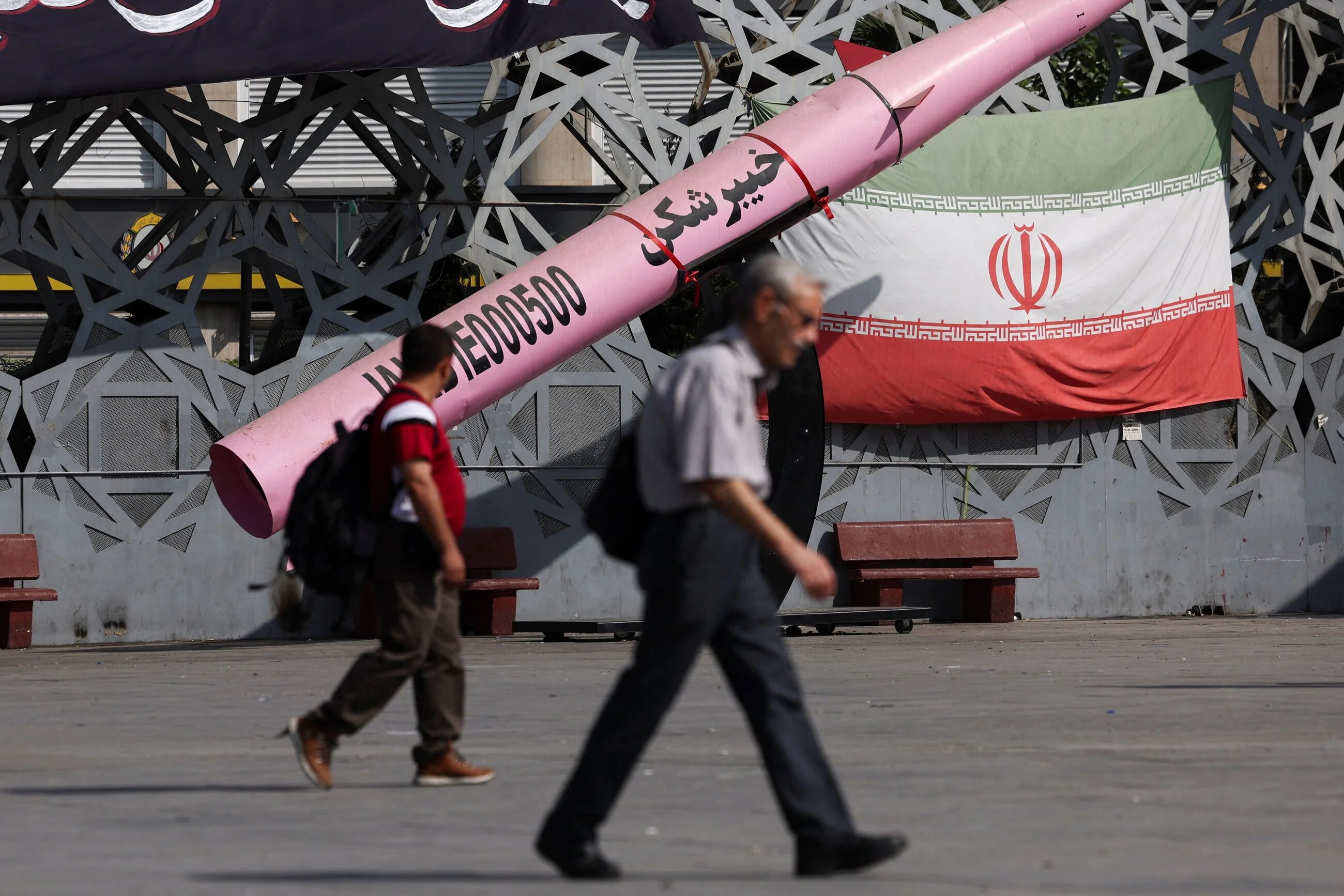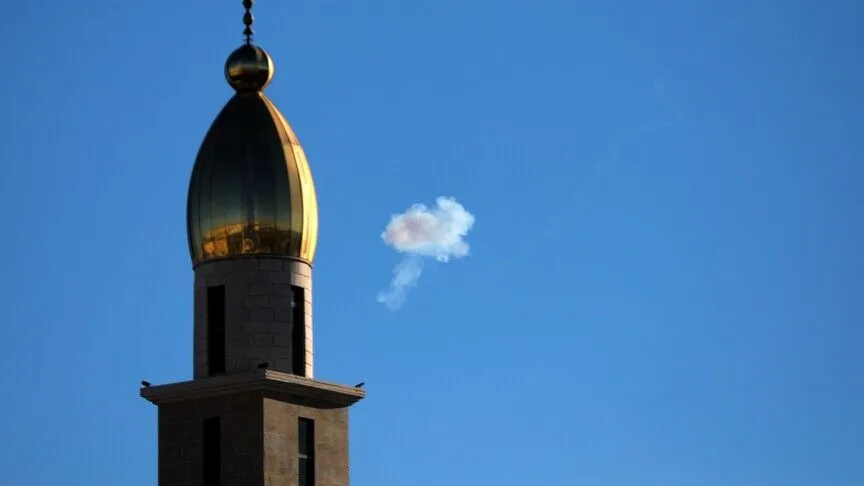
Kuwait's air defense systems engaged "hostile aerial targets" on Monday amidst heightened regional tensions, indicating a significant escalation in military activity across the Gulf region. The Islamic Revolutionary Guard Corps (IRGC) claimed responsibility for strikes that it said targeted US military installations in Jordan, Bahrain, and Kuwait. These reports emerge as the region experiences increased military activity, prompting concerns about broader instability. The coordinated nature of these incidents suggests a deliberate and widespread response, further exacerbating the already tense geopolitical landscape.
Regional Defenses Activated
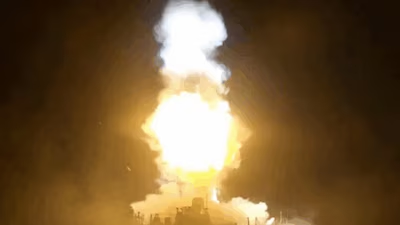
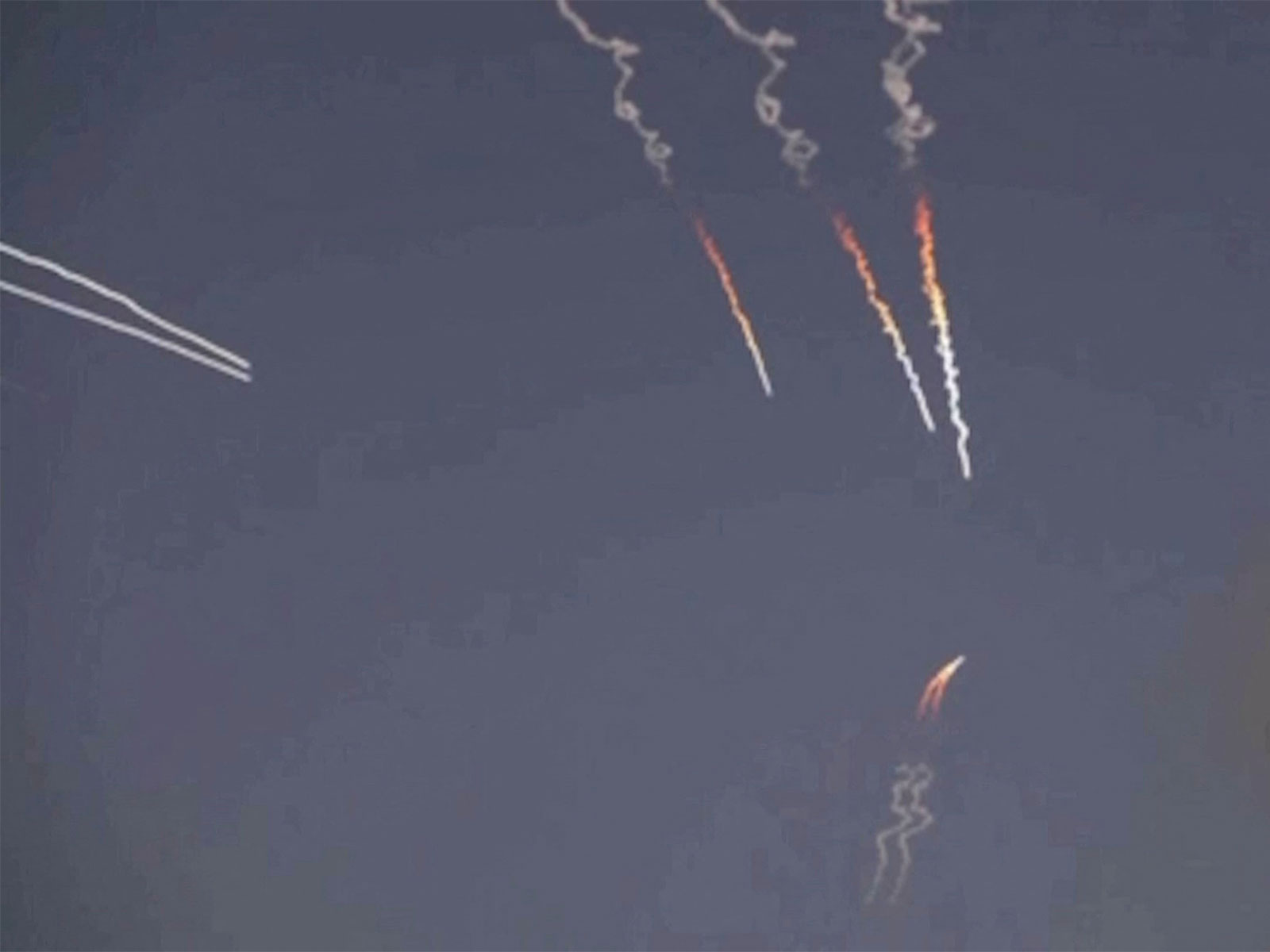
Jordan's military announced it had intercepted and downed "four missiles that entered Jordanian airspace" after they were launched from Iranian territory. This swift defensive action notes the readiness of regional forces to counter incoming threats. Concurrently, the Kuwait Armed Forces released a statement indicating its active engagement with "hostile aerial targets" within Kuwaiti airspace. The statement from the Kuwait Armed Forces elaborated, "The Kuwait Armed Forces are currently engaging hostile aerial targets within Kuwaiti airspace." This declaration confirmed ongoing defensive operations. It further clarified that any sounds of explosions heard during these engagements were a direct result of the air-defence systems countering the incoming strikes. "The General Staff of the Kuwait Armed Forces announces that any explosion sounds that may be heard are the result of the Air Defense systems intercepting hostile attacks," the statement confirmed, reassuring the public while showing the seriousness of the situation. The engagement of these air defense systems demonstrates the immediate and tangible impact of the escalated tensions on regional security.
Iran Claims Retaliation
Bahrain activated its warning sirens across the country, according to local reports, as regional tensions intensified. The sounding of these sirens across Bahrain served as a stark indicator of the perceived threat and the need for public vigilance. This activation coincided with the broader military activity reported elsewhere in the Gulf, suggesting a coordinated or widespread threat perception.
The Islamic Revolutionary Guard Corps (IRGC) claimed responsibility for the strikes, stating they were part of its ongoing "eye for an eye" operation. The IRGC asserted that these actions were a direct response to recent US military strikes in Iran. This declaration linked the current volley of attacks to specific prior engagements involving US forces, framing the Iranian actions as retaliatory. The "eye for an eye" operation, as described by the IRGC, indicates a retaliatory posture aimed at reciprocal military action following perceived provocations. The IRGC emphasized that these strikes were a direct and proportionate response to what it considered acts of aggression against its sovereignty and interests. The strikes targeted various locations in the region, including US military installations in Jordan, Bahrain, and Kuwait, according to the IRGC's statements. This claim shows the IRGC's asserted rationale behind the coordinated attacks across multiple Gulf nations, aiming to demonstrate its capability and resolve. The IRGC's public assertion of responsibility also serves as a clear message regarding its involvement and intentions in the escalating regional conflict.
US Strikes Precede Escalation
US Central Command (CENTCOM) launched a major wave of precision strikes across multiple locations in Iran on Sunday, a move that preceded and was cited by Iran as the reason for its retaliatory actions. CENTCOM stated these strikes targeted dozens of military installations to degrade Tehran's capability to disrupt international maritime trade. The operations specifically targeted Iranian military air-defence systems, coastal radar infrastructure, missile and drone launch sites, and small tactical vessels, according to CENTCOM. This full targeting strategy aimed to cripple Iran's ability to project power and threaten shipping lanes. US forces utilized a multi-domain assault force, comprising fighter aircraft, naval combatants, and, for the first time, both one-way attack aerial drones and one-way attack sea drones, showcasing advanced military capabilities.
CENTCOM stated the strikes were executed to protect the Strait of Hormuz, a critical global choke point. Washington cited Iran's "unwarranted aggression, illegal harassment and arbitrary threats against international commercial shipping" as reasons for military action, emphasizing the economic and security implications of Iran's activities. CENTCOM also stated the operation was intended to further degrade Tehran's ability to target civilian mariners and commercial vessels transiting the Strait of Hormuz. This objective noted the US commitment to ensuring the safety and freedom of navigation in international waters. "The Strait of Hormuz is a vital maritime corridor for global trade. Iran does not control it," CENTCOM affirmed, showing the international significance of the waterway and rejecting any Iranian claims of exclusive control. CENTCOM further stated the strikes were carried out on the direction of the Commander in Chief to hold Iranian forces accountable for their actions. A CENTCOM statement confirmed: "At 5 p.m. ET today, U.S. Central Command forces began launching more strikes against Iran to continue degrading their ability to attack civilian mariners and commercial ships freely transiting the Strait of Hormuz. The Commander in Chief has directed the strikes to hold Iranian forces accountable." This firm stance from the US indicates a resolve to counter Iranian aggression and protect international maritime interests.