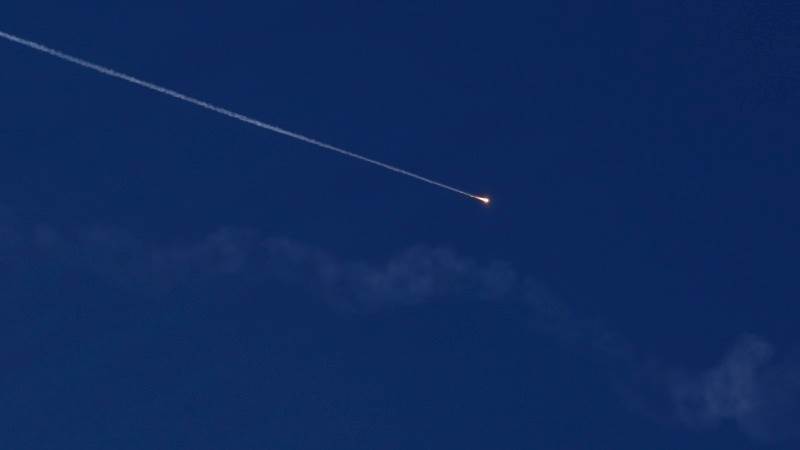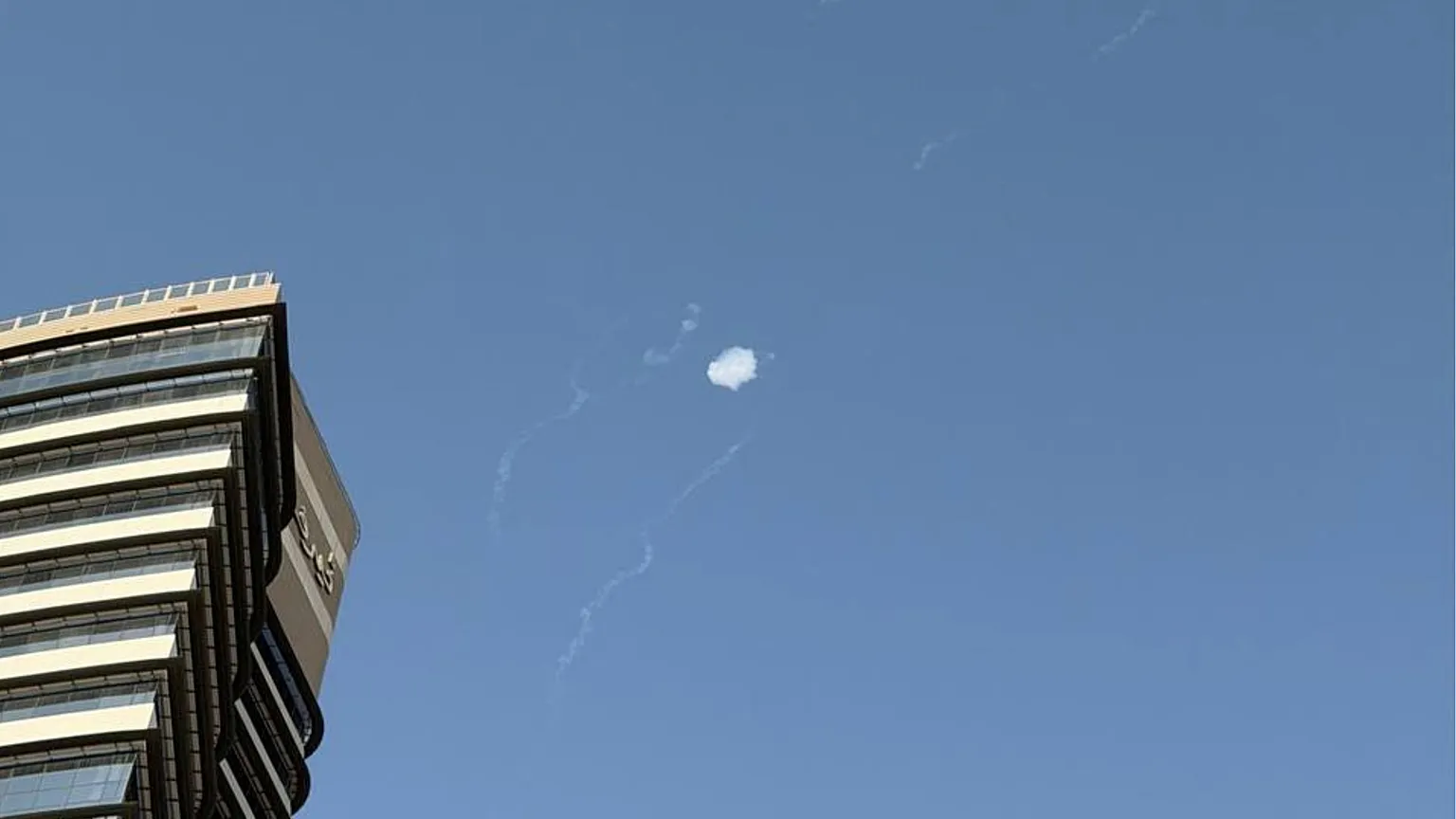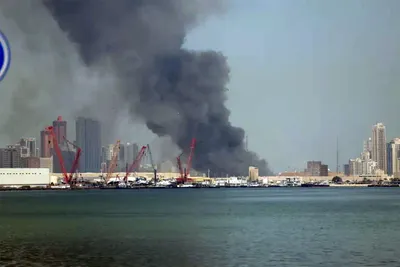
Kuwait's military reported intercepting incoming fire earlier today, while Qatar issued a missile alert shortly after blasts were heard across the Persian Gulf. The incidents occurred amid heightened regional tensions, prompting immediate responses from Gulf nations. These developments have escalated concerns about regional stability, with multiple countries in the Persian Gulf taking defensive postures.
Military Intercepts Reported
Explosions were audible across Qatar, a nation situated on the Arabian Peninsula with extensive coastlines along the Persian Gulf. Residents reported hearing multiple loud blasts, prompting immediate concerns about regional security. The audible events in Qatar occurred shortly after Kuwait's military announced it had intercepted incoming fire, further indicating a period of heightened activity in the Gulf region. The Kuwaiti military's statement confirmed it was actively engaged in intercepting the incoming projectiles, though specific details regarding the nature or source of the fire were not immediately released. This interception by Kuwait's military noted the immediate and tangible threats perceived in the region. The United Arab Emirates, along with Bahrain and Dubai, are also on alert following these developments. Authorities in Qatar have not yet released an official statement detailing the nature or origin of the explosions heard within its borders, beyond later confirming an interception. The incident has contributed to an atmosphere of tension already prevalent across the Persian Gulf, showing the delicate security situation.
Regional Alerts Sounded
The United Arab Emirates issued a public warning Sunday regarding an incoming missile and drone attack, advising residents to take precautions. The alert from the UAE came as other Gulf nations also reported defensive measures. The warning from the United Arab Emirates specifically mentioned an incoming missile and drone attack, indicating a multi-faceted threat that required immediate public notification and safety protocols. This proactive measure by the UAE government reflects the seriousness with which these threats are being addressed. Missile alerts were simultaneously sounded in Bahrain, indicating a broader regional response to potential threats. The alerts in Bahrain were a direct consequence of the escalating situation, prompting residents to seek shelter and remain vigilant. Authorities in both countries have not yet provided further details on the origin or specific targets of the reported incoming fire, but the warnings showed a heightened state of vigilance across the Persian Gulf. The incidents follow earlier reports from Kuwait of intercepted fire and audible explosions in Qatar, painting a picture of widespread defensive actions across the region.
Geopolitical Context
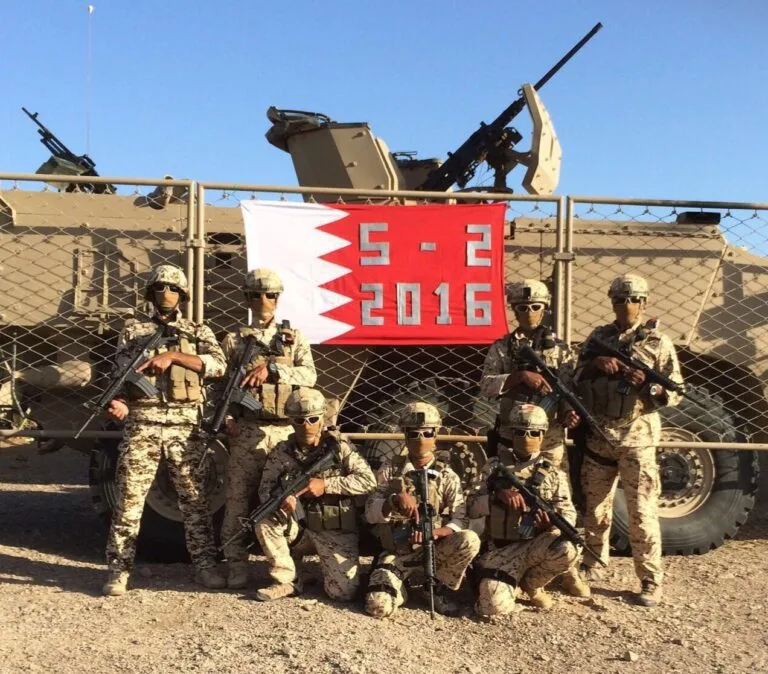
Bahrain, one of the Gulf nations currently on alert, hosts the US Navy's 5th Fleet at its base in Manama. The presence of the US Navy's 5th Fleet shows the strategic importance of Bahrain and the broader Persian Gulf region for international security and maritime operations. Bahrain's role as a host nation for such a significant naval force positions it as a key player in regional defense and stability efforts. The fleet is responsible for naval operations across approximately 2.5 million square miles of water, including the Persian Gulf, Red Sea, and parts of the Indian Ocean. Its operations are critical for safeguarding regional stability and ensuring the free flow of commerce through vital waterways. The fleet's presence adds a significant geopolitical dimension to the ongoing regional tensions and military alerts, as its mission includes deterring aggression and responding to crises in these key maritime areas.
Official Statements
Qatar's military confirmed it intercepted incoming fire amid escalating regional tensions. The statement from Qatar's military specified that it had successfully intercepted "the incoming Iranian fire." This official confirmation provides clarity regarding the origin of the projectiles that prompted earlier reports of audible explosions and missile alerts across the Gulf region. The explicit mention of "Iranian fire" by Qatar's military marks a significant and direct attribution in the ongoing regional security narrative. The Qatari government has maintained a neutral stance in several regional disputes, and this declaration marks a significant development in the ongoing situation, potentially impacting regional diplomatic dynamics. The interception shows the defensive capabilities of Gulf nations as they navigate a period of heightened vigilance and direct threats.