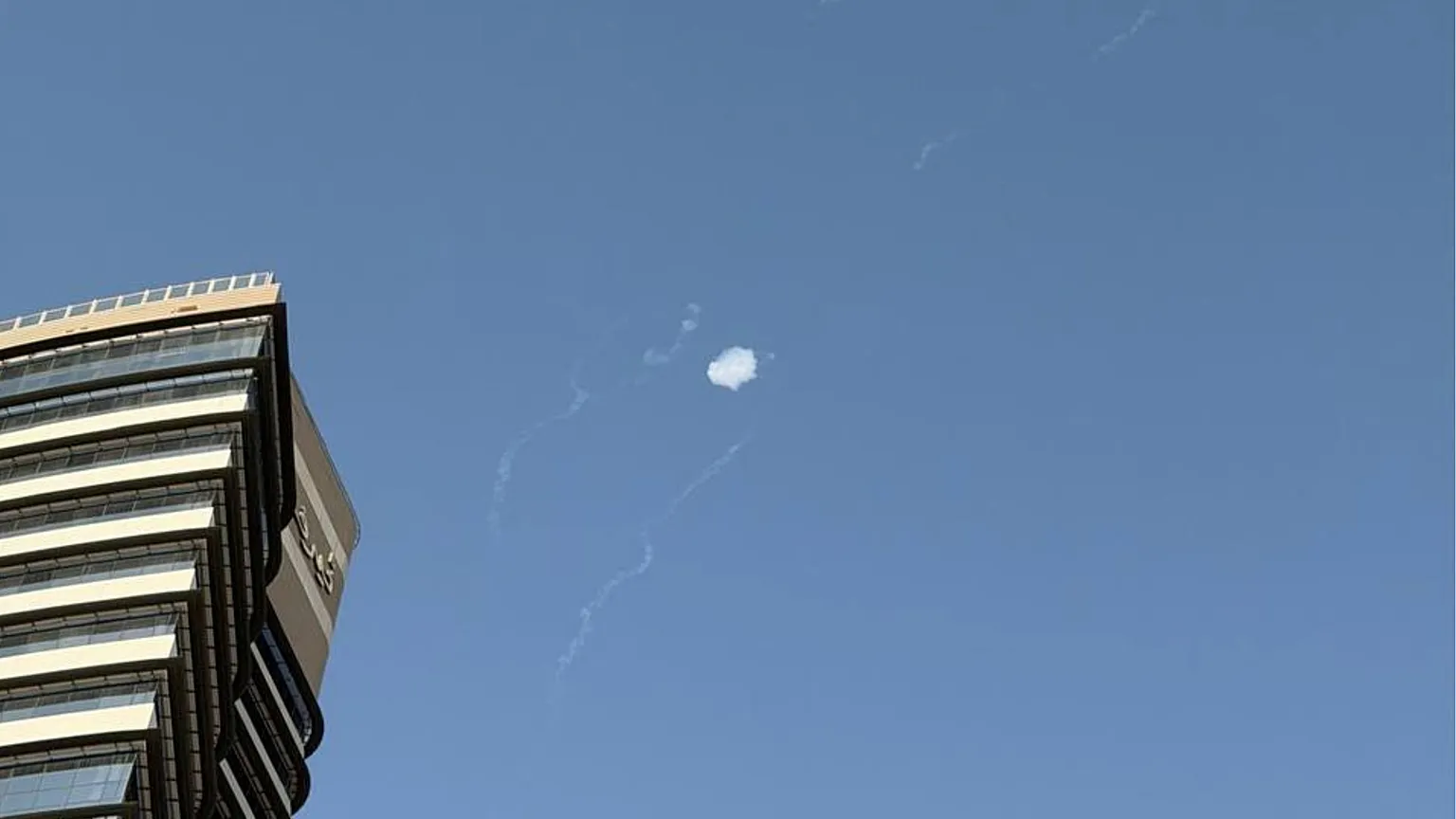
Euronews journalists in Qatar reported two waves of Iranian attacks and large explosions over Doha on Thursday, hours after US strikes targeted militant sites in the Middle East. The journalists, stationed in Doha, described hearing the explosions, which occurred above the Qatari capital. Their reports detailed the significant sound and visual impact of these aerial events. The incident follows a period of heightened regional tension, marking a substantial escalation in the ongoing geopolitical climate. The reports from Doha provided immediate, on-the-ground accounts of the unfolding situation.
Escalation in the Gulf
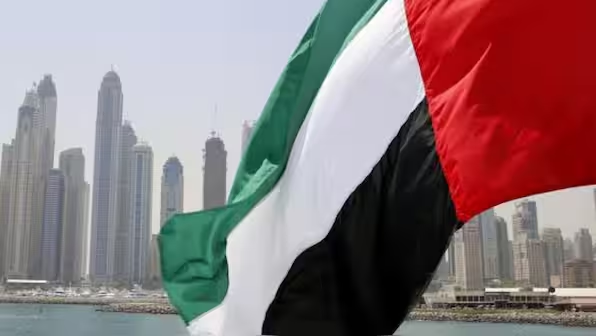
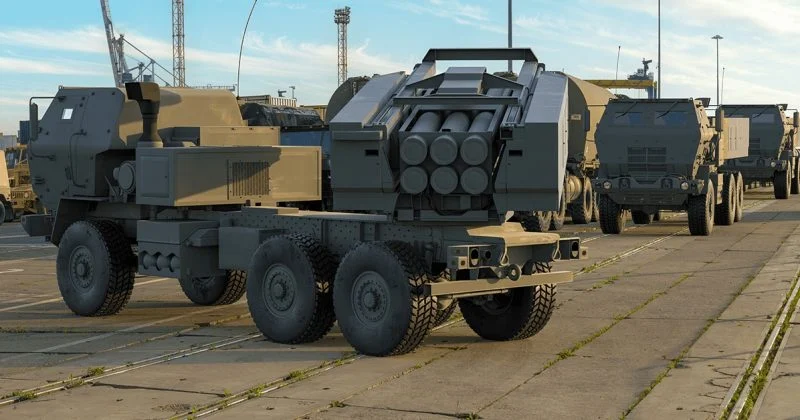
Air defense systems are actively responding to Iranian attacks across multiple Gulf nations, including the United Arab Emirates, Bahrain, Kuwait, and others. Reports indicate that these nations' air defenses have been engaged following the launch of projectiles. The incidents occurred hours after the United States conducted strikes targeting militant sites in the Middle East. Authorities in Abu Dhabi and Kuwait City have confirmed their respective air defense operations, indicating a coordinated and widespread defensive posture. The responses involved intercepting incoming projectiles, noting the readiness of regional defense capabilities. The coordinated responses show the regional scale of the ongoing aerial activity, affecting several key nations in the Gulf. Further details regarding the specific targets or impact locations of the Iranian attacks were not immediately available from official sources, leaving the full extent of the damage unclear. This widespread defensive action reflects a heightened state of alert across the Gulf, with nations taking proactive measures to protect their airspace and territories. The involvement of multiple countries suggests a broad and interconnected security challenge.
US Airstrikes Precede Attacks
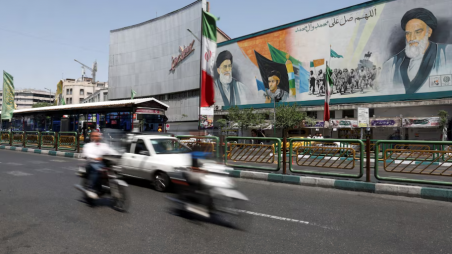
The Iranian attacks across the Gulf nations occurred hours after the United States conducted new airstrikes in Iran. These US operations preceded the widespread aerial activity reported across the region, setting off a swift chain of events. The timing of the incidents suggests a rapid sequence of events, with the Iranian actions following closely on the heels of the American military engagement. Reports from multiple Gulf states, including the United Arab Emirates, Bahrain, and Kuwait, indicated that their air defense systems were actively responding to incoming projectiles. This immediate defensive reaction shows the urgency and severity of the situation. Authorities in Abu Dhabi and Kuwait City confirmed their respective air defense operations were engaged, acknowledging the direct threat posed by the projectiles. The US had previously targeted militant sites in the Middle East, setting a backdrop for the subsequent escalation and contributing to the already tense regional environment. The American strikes were a significant development that appears to have directly triggered the subsequent Iranian response.
Regional Tensions Flare
The US airstrikes that preceded the widespread aerial activity across the Gulf were conducted in response to an incident involving a ship. Iran was identified as responsible for hitting the vessel in the Strait of Hormuz, a critical maritime chokepoint. This maritime incident set the stage for the subsequent military actions, elevating tensions considerably. The US operations prompted a rapid sequence of events, with multiple Gulf nations reporting active air defenses hours later, signaling a region-wide security concern. Authorities in Abu Dhabi and Kuwait City confirmed their defense systems were engaged following the reported Iranian attacks, indicating a direct and immediate threat to their sovereignty. The incident in the Strait of Hormuz shows the volatile nature of the region's maritime routes and the broader implications for international shipping, which relies heavily on these passages. The targeting of a vessel in such a strategic waterway notes the potential for disruption to global trade and energy supplies. This series of events illustrates the complex and interconnected security challenges facing the Middle East.
Context and Timeline
The article was last updated on December 7, 2026, at 10:02 GMT+2. This timestamp reflects the most recent review and inclusion of information regarding the ongoing events in the Gulf region. The update incorporates the latest available details concerning the Iranian attacks and the responses from various Gulf nations, ensuring the report remains current. Euronews journalists in Qatar continue to monitor the situation, providing real-time updates as events unfold across the region.