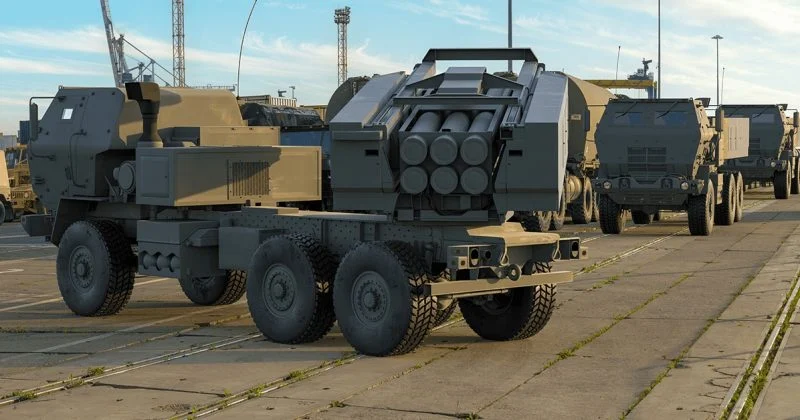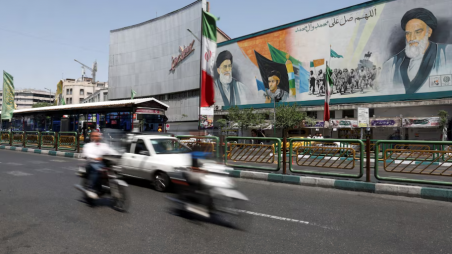
The United States military initiated new strikes against Iran on Wednesday, July 9, 2026, according to official statements. These operations were undertaken with the stated objective of maintaining the navigability of the Strait of Hormuz for international shipping. The Strait of Hormuz, a narrow passage connecting the Persian Gulf with the Arabian Sea, is widely recognized as a critical waterway for global oil transit, handling a significant portion of the world's seaborne oil. The US military's actions show its commitment to ensuring the free flow of commerce through this vital maritime chokepoint, a principle it has repeatedly emphasized in its regional security posture.
Fresh Strikes and Retaliatory Attacks
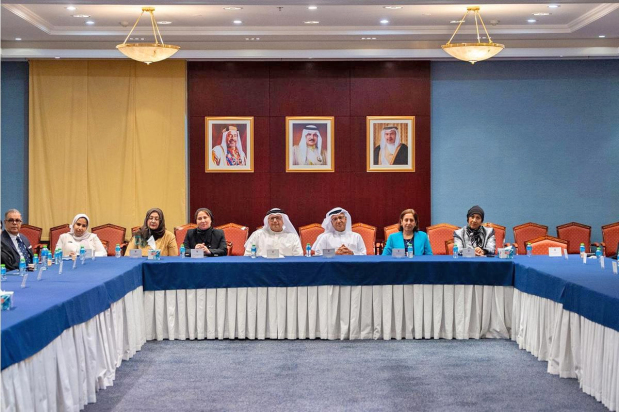
Iran responded to the US military strikes with a second consecutive day of attacks targeting Kuwait and Bahrain, both nations that host US military bases. This escalation marks a significant increase in the scope and intensity of the conflict. Kuwait's Defense Ministry reported that it successfully intercepted incoming missiles and drones during these incidents, preventing potential damage or casualties within its borders. The nature of these interceptions indicates a sophisticated defense capability on the part of Kuwait, noting the advanced weaponry now being deployed in the region.
The retaliatory actions by Iran included strikes on several locations within its own territory. Targets hit by these attacks included the cities of Bandar Abbas, a major port city, Konarak, Chabahar, and Iranshahr, as well as an area near Aqqala. These widespread strikes demonstrate Iran's capacity to project force across various strategic points within its borders, even while under external pressure. A maritime traffic control tower in Chabahar, a city known for its strategic port development, was directly impacted during one of the strikes, indicating a deliberate targeting of critical infrastructure. Additionally, a strike on the airport in Iranshahr resulted in the tragic death of a firefighter, showing the human cost of the escalating hostilities. The targeting of civilian infrastructure and personnel raises serious concerns about the rules of engagement and potential violations of international humanitarian law.
Separately, a US attack was reported to have hit a railway bridge located near Aqqala. This incident marks part of the ongoing exchange of hostilities, with both sides engaging in strikes against infrastructure. The targeting of transportation networks suggests an intent to disrupt logistical capabilities and economic activity, further exacerbating the regional instability.
Escalation and Broken Agreements
The US military strikes were carried out in retribution for Tuesday's assault on three cargo ships transiting the Strait of Hormuz, according to official statements from Washington. This direct linkage of the strikes to specific maritime incidents notes the immediate triggers for the latest escalation. The ongoing conflict originally began with US-Israeli attacks on Iran on February 28, 2026, setting a precedent for the current cycle of violence and retaliation. The initial attacks had already significantly destabilized the region, leading to a protracted period of heightened tensions.
Diplomatic efforts had previously led to a memorandum of understanding, which was signed on June 17, 2026, aimed at de-escalating tensions and establishing a framework for stability. This agreement, reached after considerable diplomatic engagement, was seen as a key step towards preventing a wider conflict. However, Iran's mission to the UN now asserts that the recent US actions constitute a violation of this agreement, effectively rendering it null and void. The mission stated in a letter to the United Nations Security Council that the strikes are a "blatant violation of the Charter of the United Nations and its international obligations." This declaration signals a significant setback for the memorandum of understanding established less than a month prior, undermining hopes for a peaceful resolution. The Iranian mission also specifically accused the United States of violating its international obligations through these attacks, emphasizing the severe legal and diplomatic implications of the US military actions. The collapse of this diplomatic accord further complicates any future attempts at de-escalation or negotiation.
International Reactions and Market Impact
President Donald Trump stated that he believed an interim ceasefire with Iran was "over" following the recent US military actions. Speaking on Wednesday, Mr. Trump asserted, "If we make a deal with Iran I'm not sure that will stick." He further added, "I found them to be very dishonourable people," expressing a deeply critical view of the Iranian leadership. Despite the escalation, Mr. Trump predicted a swift resolution, stating, "Anything that happens is going to be over very quickly... And will only make it safer, including for oil." His remarks suggest a confidence in the US military's ability to achieve its objectives rapidly and restore stability, even as the immediate situation appears to be spiraling.
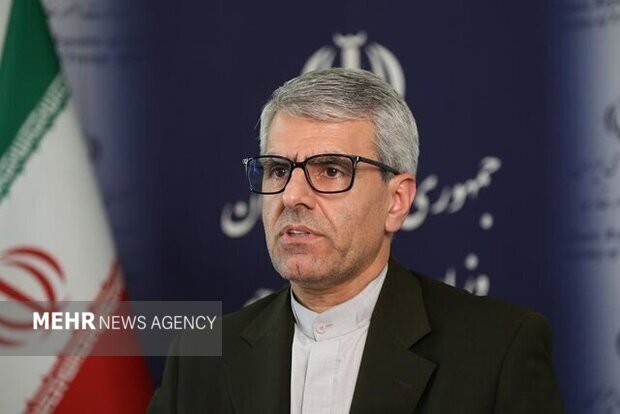
The US strikes rattled several cities along Iran's southern coast, reportedly leaving some areas without power. The disruption to essential services further compounds the challenges faced by the affected populations. Iranian Foreign Ministry spokesperson Esmaeil Baghaei stated that the US strikes violated the existing memorandum of understanding by challenging Iran's responsibility for safe passage in the Strait of Hormuz. Mr. Baghaei emphasized that Iran viewed these actions as a direct affront to its sovereignty and its role in regional maritime security, asserting Iran's historical and geographical claim to managing the vital waterway. He reiterated Iran's position that it is the primary guarantor of security in the Strait and that any external military intervention undermines this role.
In financial markets, Brent crude futures reacted sharply to the heightened tensions, rising about 1% to $78.80 a barrel by 0054 GMT on Wednesday. The increase reflected concerns over potential disruptions to oil supplies from the Middle East, a critical global energy hub responsible for a substantial portion of the world's crude oil exports. Traders and analysts are closely monitoring the situation, anticipating further volatility if the conflict continues to escalate. The ongoing uncertainty regarding the stability of the Strait of Hormuz directly impacts global energy prices and supply chains. Regional security concerns also escalated significantly, with Qatar issuing an "elevated security threat" alert in response to the unfolding events, indicating a widespread apprehension across the Gulf nations about the potential for broader regional instability. The alert from Qatar, a key US ally and a major natural gas exporter, notes the ripple effect of the conflict on neighboring states.