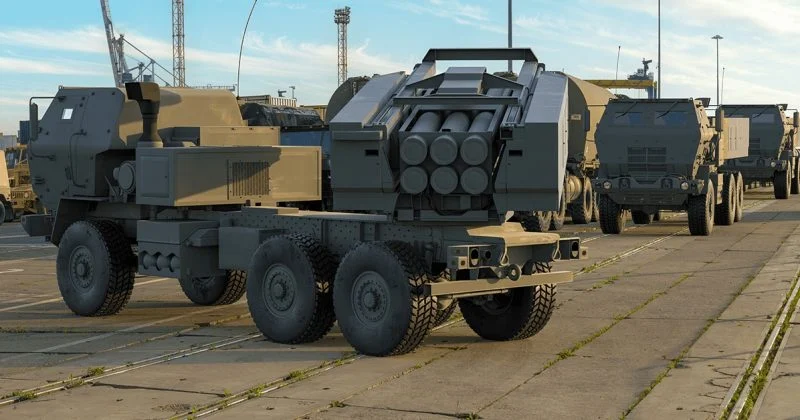
Unconfirmed reports indicate that HIMARS rockets may have been launched from Bahrain, targeting locations within Iran. The potential launch follows reports of explosions in southern Iran, adding a new dimension to the ongoing regional tensions. These unconfirmed reports suggest a possible escalation in military tactics and geographical scope. Iran’s Press TV confirmed explosions occurred in Bushehr and Asaluyeh, both significant sites in the region. The precise nature and origin of these explosions are currently under intense scrutiny by international observers.
Escalation Amid Military Campaign
United States airstrikes targeted Iranian locations, including Asaluyeh and Bushehr, according to reports. These strikes represent a direct engagement in the broader military campaign unfolding in the region. The Asaluyeh gas complex, which forms part of Iran’s South Pars energy infrastructure, and the Bushehr Nuclear Power Plant are critical sites in the area, making them highly sensitive targets. The Asaluyeh complex, in particular, is a cornerstone of Iran's energy sector, playing a vital role in its natural gas production and export capabilities. The Bushehr Nuclear Power Plant, Iran’s only operational nuclear power facility, is under international safeguards and its security is a matter of global concern. Some Iranian sources attribute the explosions to an Israeli attack on the petrochemical complex, though such claims remain unverified by independent parties. The nature and extent of the damage at the targeted locations remain unconfirmed by independent sources, leading to speculation regarding the impact on Iran's critical infrastructure. The lack of independent verification shows the challenges in obtaining accurate information amidst the escalating conflict.
Shifting Military Dynamics
The use of HIMARS (High Mobility Artillery Rocket System) from Bahrain, if confirmed by official sources, would represent a significant change in the dynamics of military operations in the region. Such a development would indicate a potential broadening of the scope and geographical reach of current conflicts, introducing new elements to the ongoing situation. The deployment of such advanced weaponry from a new location would mark a notable evolution in the military engagement surrounding the recent strikes on Iranian locations. The precision strike capabilities of HIMARS systems could alter strategic calculations for all parties involved, providing a long-range, accurate strike option previously not widely utilized in this particular context. This potential deployment from Bahrain could also suggest an expansion of the types of weaponry being utilized in the current climate, marking a notable evolution in the military engagement surrounding the recent strikes on Iranian locations. If confirmed, this would signify a notable shift in military operations, potentially influencing future strategic decisions and alliances in the Middle East.
Broader Conflict Context
The current conflict escalated earlier this year following Iranian actions in the Strait of Hormuz. These actions have been a flashpoint for regional tensions, given the strait's key role in global oil transit. This broader conflict has involved various military engagements since its outset, noting a persistent state of instability. Among these engagements have been repeated missile and drone attacks targeting U.S. Bases situated in both Bahrain and Kuwait. These incidents highlight a wider pattern of military activity in the region preceding the recent strikes on Iran, demonstrating a sustained period of hostility and reciprocal actions. The attacks on U.S. Installations show the complex and multi-faceted nature of the conflict, involving various actors and methods of engagement.
Market Reactions and Future Outlook
Market movements suggest an increased likelihood of significant military actions, including the potential for Iran to close its airspace or for potential U.S. Invasion scenarios. These market indicators reflect a heightened sense of risk and uncertainty among global investors regarding the stability of the region. The prospect of Iran closing its airspace would have substantial implications for international aviation and trade routes, further disrupting global supply chains. Market pricing further indicates concerns regarding possible leadership changes within Iran by the end of 2026, reflecting investor apprehension about the long-term political stability of the country. These indicators reflect growing apprehension among investors about regional stability, signaling a belief that the current tensions could lead to more profound geopolitical shifts and economic disruptions in the coming years.